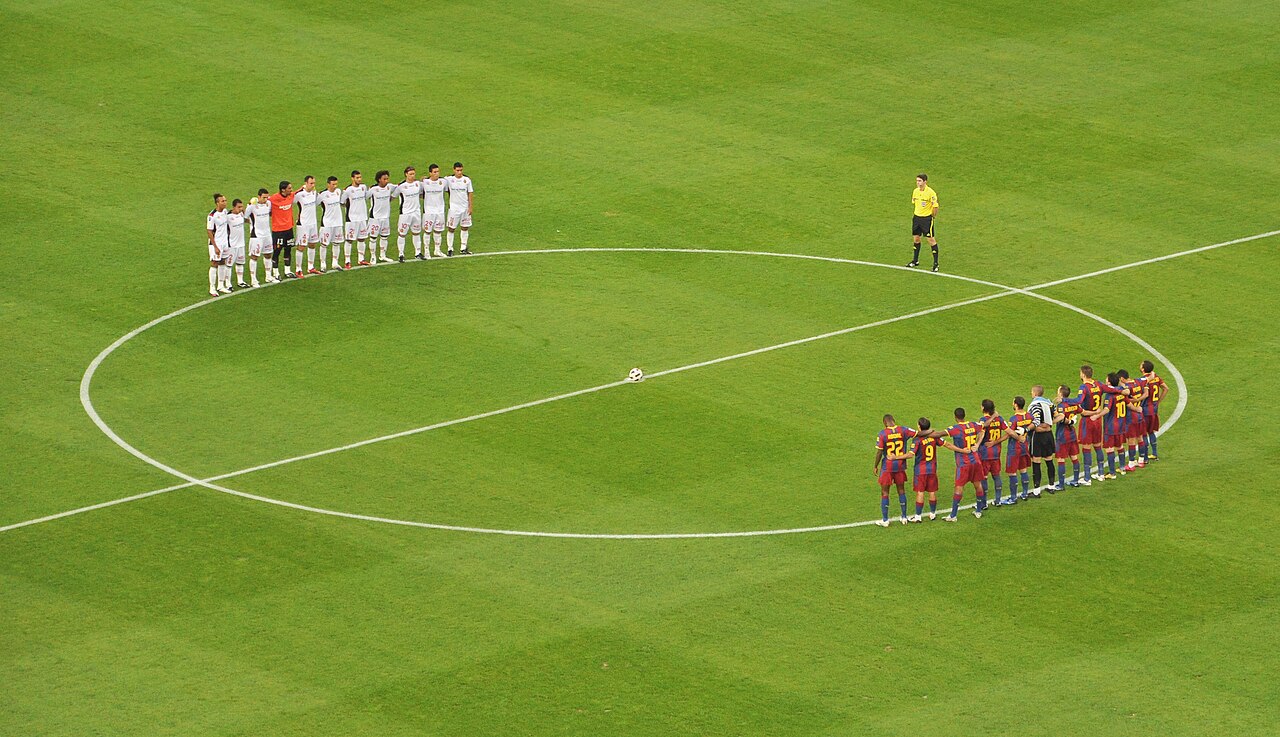
For football fans, Camp Nou is a pilgrimage, and now it is a pilgrimage with a twist. FC Barcelona's stadium opened in 1957 and grew into the largest in Europe, the stage for the Cruyff era, the Guardiola teams and the golden years of Lionel Messi. In 2023 the club began a total rebuild, playing its home matches at the Olympic stadium on Montjuïc while the old stands came down, and in November 2025 the team returned to the renamed Spotify Camp Nou, with seats added in phases as construction continues. The third tier has gone up around the bowl, and work on the roof and the remaining end sections is scheduled to continue until the stadium reaches its full, enlarged capacity. For visitors, that means two things: you can again see a match in the real home of Barça, and the stadium tour shows a work in progress, with cranes and scaffolding as part of the view. The tour is anchored by the Barça Museum, one of the most visited museums in the city, which tells the club's story through trophies — the Champions League and league silverware, individual awards — plus kits, boots, photographs and audiovisual installations about the players and coaches who defined "més que un club," more than a club, and its place in Catalan identity. The standard tour then leads to a panoramic viewpoint over the pitch; premium and matchday options add more behind-the-scenes access. Book timed tickets in advance, and check what the route includes on your dates, as access changes as works progress.
The club's motto explains why the stadium matters beyond sport. During the Franco dictatorship, when Catalan language and institutions were suppressed, Camp Nou was one of the few places where tens of thousands of people could openly express Catalan identity, and the blaugrana colours carried that weight. The museum covers this history alongside the football: the founding in 1899 by the Swiss Joan Gamper, the arrival of Johan Cruyff as player and later coach, the youth academy at La Masia that produced Xavi, Iniesta and Messi, and the women's team that has become a European powerhouse.
Even non-fans tend to find it more interesting than they expected.
Visiting well
The standard visit combines the museum with a panoramic view of the stadium, and takes around ninety minutes; the club reports that the route includes many stairs, with a designated accessible viewing area. Matchday tours run only on match days and add the pitch-side walk, press room and VIP areas. Because the stadium is a building site in parts, routes and inclusions can change at short notice — read the ticket description carefully.
To see a match, buy through the club or a trusted seller and avoid touts; demand is enormous for big fixtures, but many league games are possible with planning, and the atmosphere in the new stadium is part of the history being written now.
Getting there
The stadium is in Les Corts, west of the centre, a short walk from the Collblanc and Palau Reial metro stations; allow thirty minutes from the old town. The megastore is huge and popular, and the area is otherwise residential, so eat before or after in Les Corts or head back to Sants or the Eixample.
If you are in Barcelona on a non-match day and your heart is set on more football, the club's Johan Cruyff Stadium, home to the women's team and youth sides, sometimes offers easier tickets. Combine a morning stadium visit with an afternoon on Montjuïc or Passeig de Gràcia for a balanced day.
What to expect
The experience
A timed visit to the Barça Museum — trophies, memorabilia and immersive audiovisuals — plus a panoramic view over the rebuilt stadium. Matchday and premium tours add pitch-side and behind-the-scenes areas.
Best time
Weekday mornings are calmest. Matchday tours only run on game days. Expect visible construction until works finish.
How long
About ninety minutes, longer with the megastore.
Tips
Read what your ticket includes, as the route changes with the works. Buy match tickets only through the club or a trusted seller. The standard route has many stairs; ask about the accessible viewing area.
Quick picks
- Best for
- Football fans and families with sports-mad children.
- Families
- A highlight for young fans — trophies, interactive exhibits and the thrill of the stadium view.
- Couples
- Only if at least one of you loves football; otherwise, spend the time on Montjuïc.
- Pair with
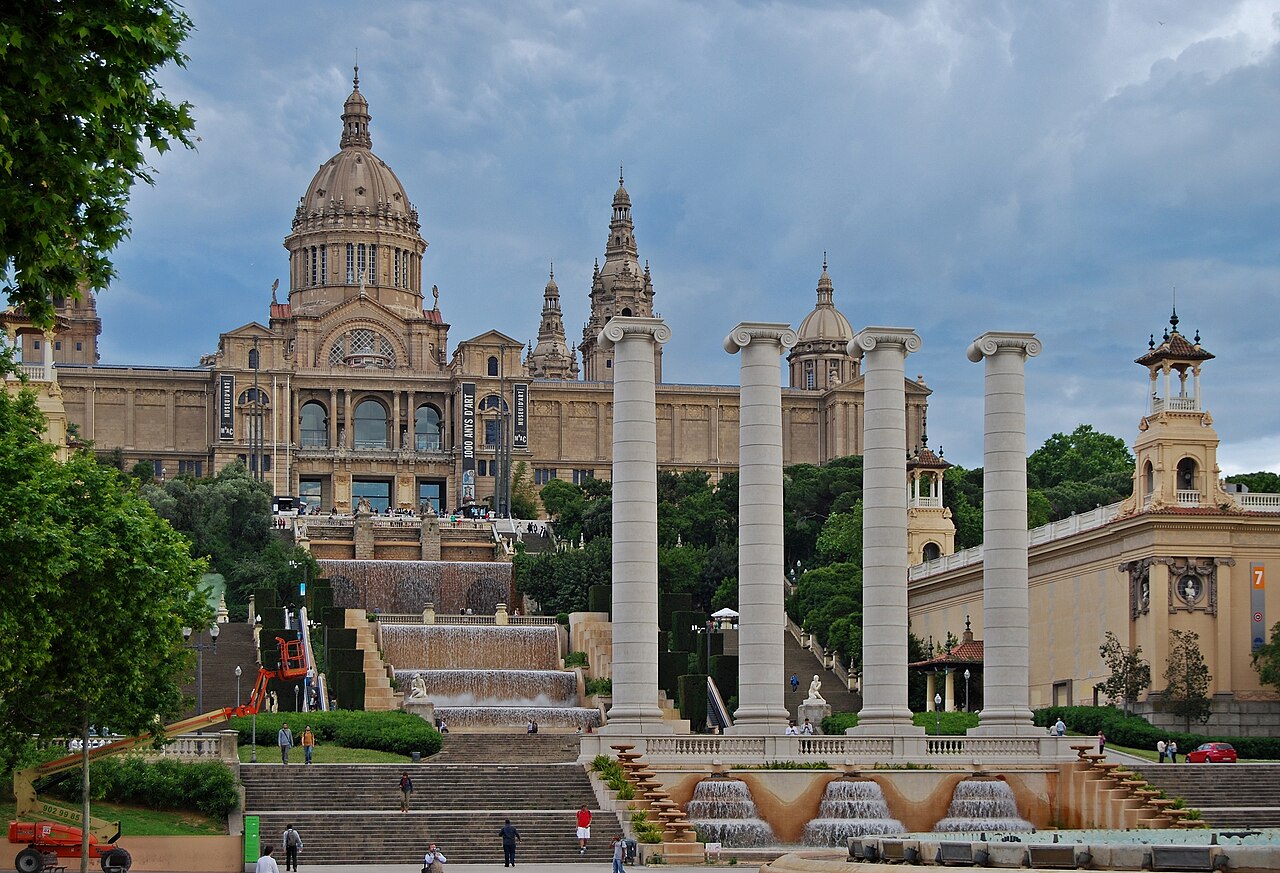
- Montjuïc's Olympic ring and the Magic Fountain for a sporting-history afternoon.
- Time needed
- Half a day including travel.
Good questions
Is Camp Nou open again?+
Yes. FC Barcelona returned to the renamed Spotify Camp Nou in November 2025. Construction continues in phases, with the third tier, roof and final sections due to be completed.
What does the stadium tour include now?+
The standard visit includes the Barça Museum and a panoramic view of the stadium. Matchday tours add the pitch-side walk, press areas and VIP spaces. Inclusions can change as works progress.
Can I watch a match?+
Yes, as capacity grows season by season. Buy through FC Barcelona's the venue's ticketing and avoid resellers outside the stadium.
How do I get there?+
Take the metro to Collblanc or Palau Reial and walk a few minutes. Allow about thirty minutes from the old town.
Is it worth it if I am not a football fan?+
It can be — the museum covers Barça's role in Catalan identity under the dictatorship — but non-fans with limited time will get more from the Gaudí houses or the Picasso Museum.