Ways to explore
Ancient sites
Ruins, temples and the world before the Middle Ages. 391 picks across 209 destinations.
The best of the best
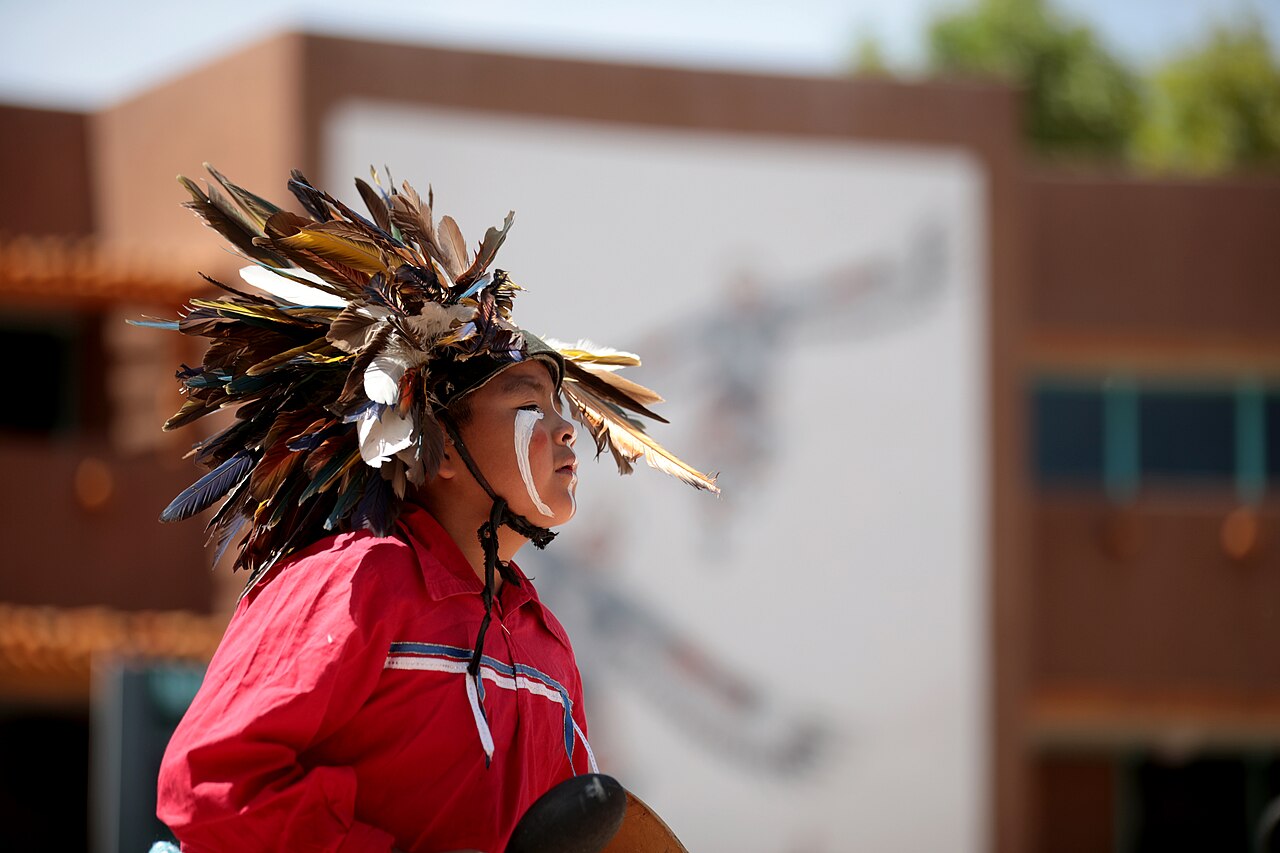
AlbuquerqueIndian Pueblo Cultural Center
A museum and cultural hub owned by the 19 Pueblos of New Mexico, with exhibits, dance, artisans and Pueblo cooking in the Pueblo Harvest Cafe.
 Santa Fe
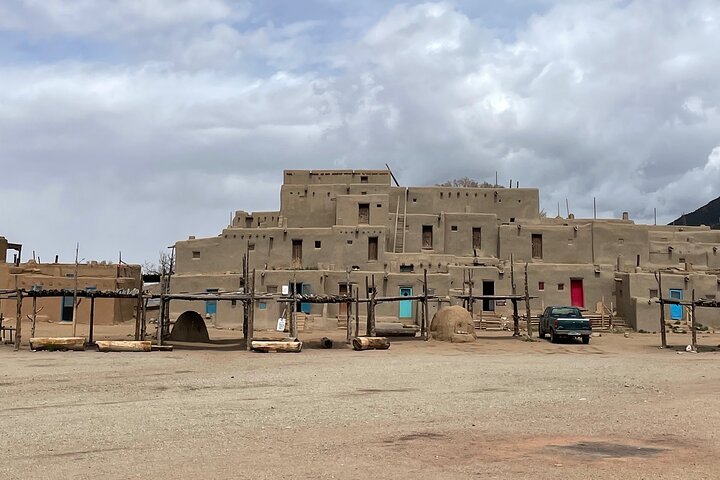
Chimayo and Taos Pueblo Day Trip from Santa Fe
A full-day driving tour north through the mountains to the Santuario de Chimayo and Taos Pueblo, a UNESCO World Heritage Site lived in for about a thousand years.
 Alexandria
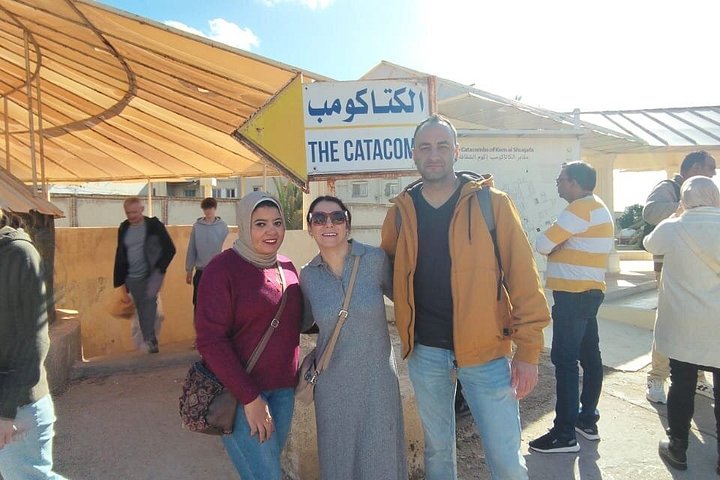
Catacombs of Kom el-Shoqafa
A three-level Roman burial complex cut into the rock, where Egyptian gods wear Roman dress.
 Antalya
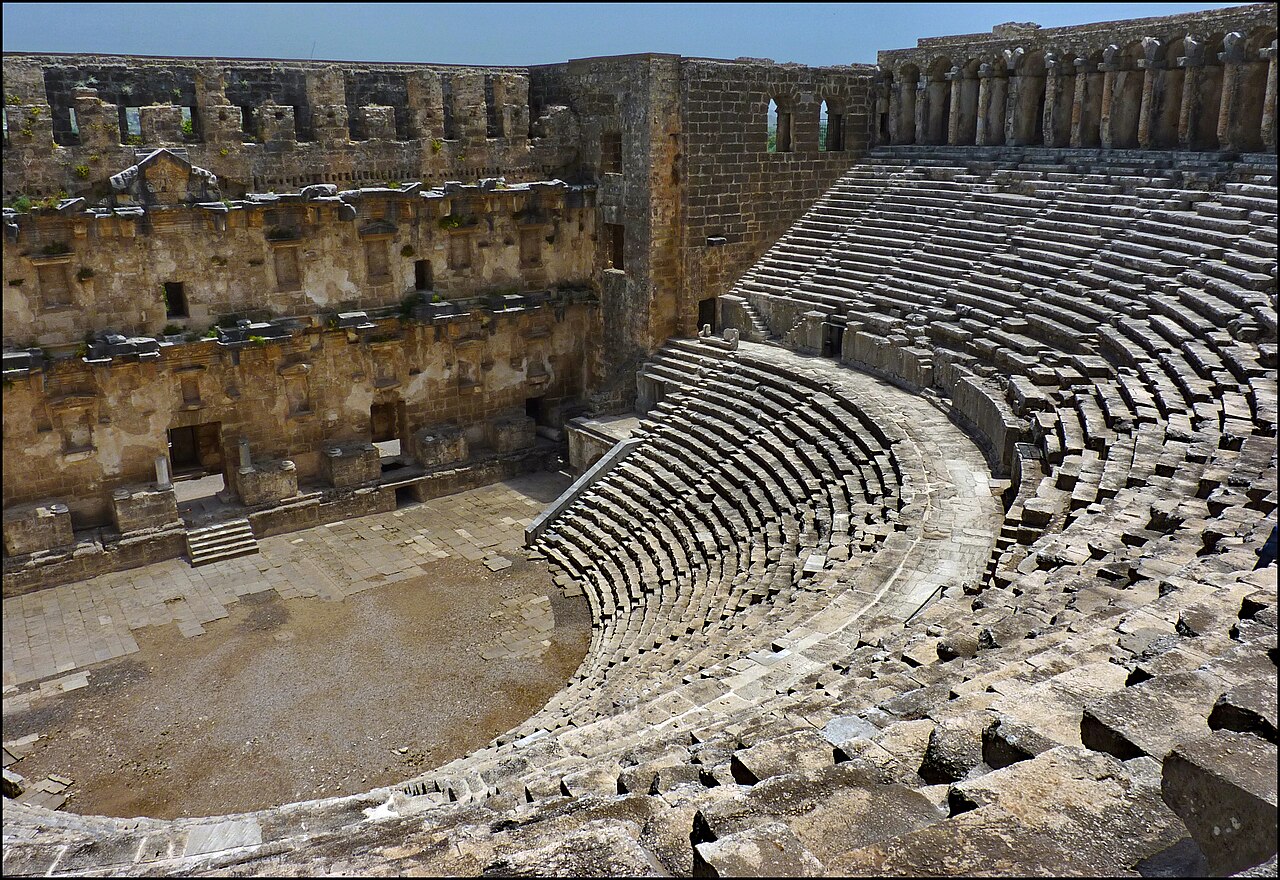
Aspendos Roman Theatre
The best-preserved Roman theatre in Anatolia, still standing almost complete with its stage building and extraordinary acoustics.
 Arequipa & Colca Canyon
Juanita Mummy Museum and Walking Tour
The Ice Maiden of Ampato, a girl sacrificed by the Inca some five centuries ago and preserved by the cold of a 6,000-metre volcano, is the star of a small, powerful museum.
 Athens
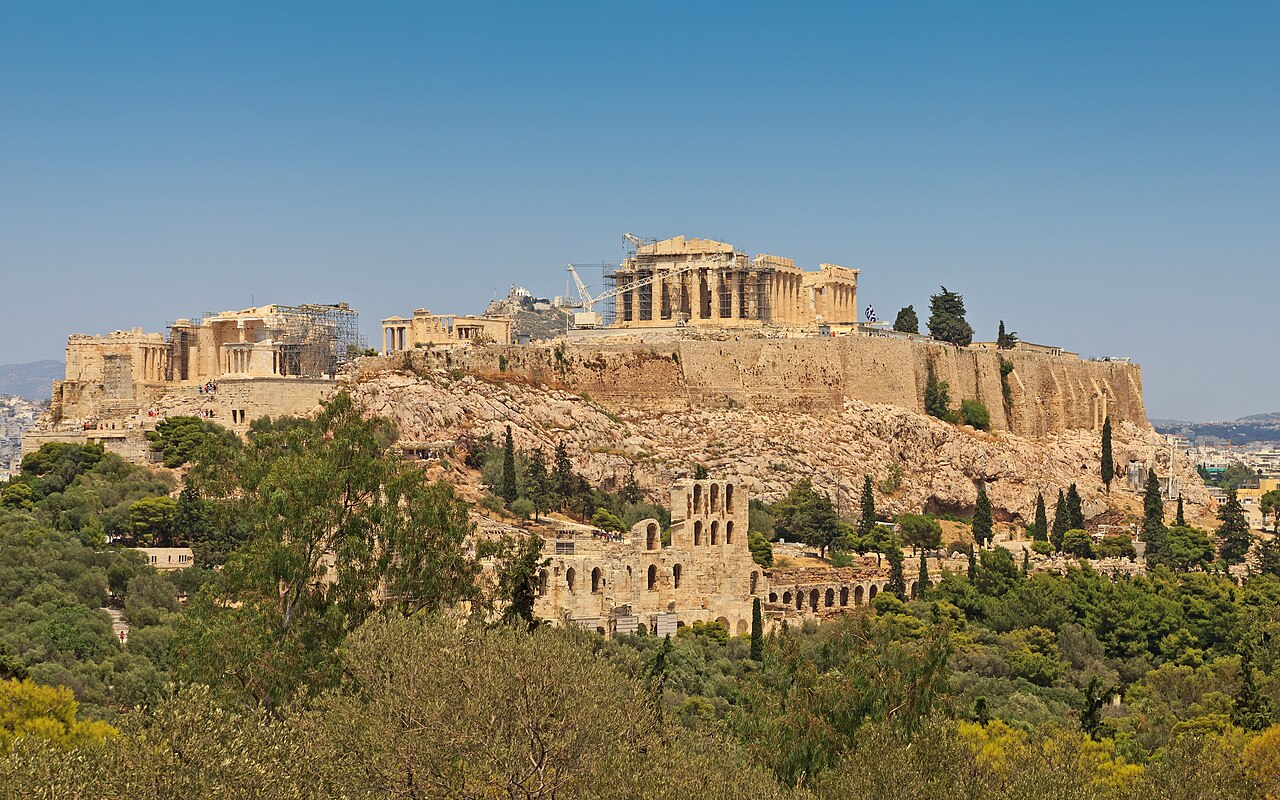
Acropolis & Parthenon
The rock that defines Athens: the Parthenon, the Erechtheion and its Caryatid porch, the Temple of Athena Nike and the monumental Propylaia gateway.
 Bacalar
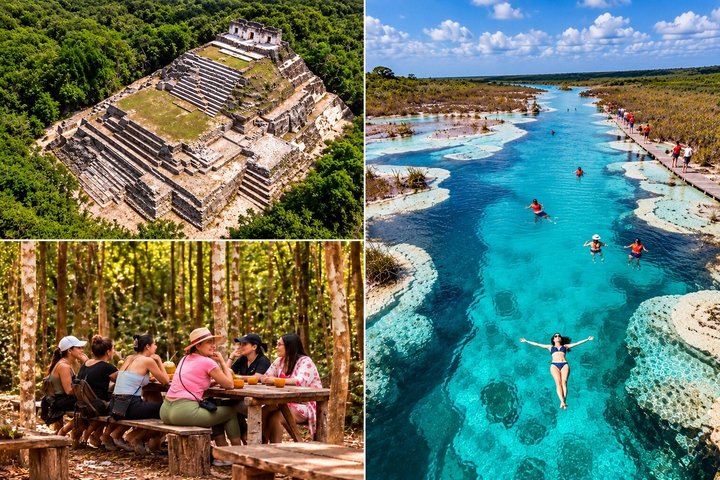
Ichkabal Ruins and Los Rápidos
A day trip that pairs the Maya city of Ichkabal with the river-like rapids of Los Rápidos, with hotel pickup from Bacalar.
 Bali
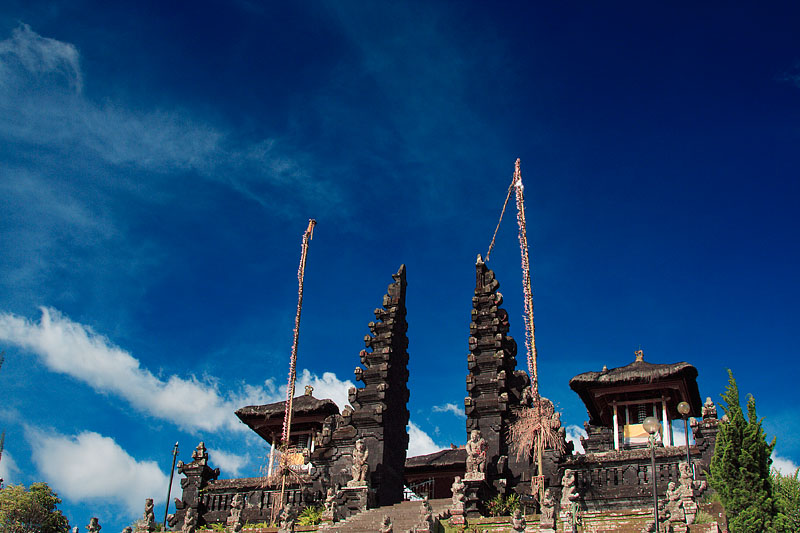
Pura Besakih, the Mother Temple of Bali
Bali's holiest temple complex, climbing in terraces up the slopes of Mount Agung at around 900 metres: dozens of shrines, black-thatched meru towers and the volcano behind.
By destination
Athens · 12
Antalya · 7
Rome · 7
Sedona · 6
Beirut · 6
Huangshan (Yellow Mountain) · 6
- Hongcun Ancient Village Half-Day Private Tour
- Xidi Ancient Village Half-Day Private Tour
- Chengkan Ancient Village Half-Day Private Tour
- Tangmo Ancient Town Half-Day Private Tour
- Private Hiking Tour along Xihong Ancient Trail and Mount Qiyun
- Self-Guided Tour of Huangshan Ancient Villages: Hongcun, Xidi, Chengkan or Tangmo
Rhodes · 6
Tunis · 6
İzmir · 6
Bangkok · 5
Bodrum · 5
Plovdiv · 5
Córdoba · 4
Guangzhou · 4
Lima · 4
Okinawa · 4
Tulum · 4
Xi’an · 4
Hanoi · 3
Luxembourg City · 3
Mexico City · 3
Milos · 3
Naxos · 3
Paracas & Ica · 3
Salalah & Dhofar · 3
San Salvador · 3
Sicily · 3
Las Vegas · 2
Cadiz & Jerez · 2
Montreal · 2
Tips: ancient sites
Ancient sites are about imagination, and the right preparation makes ruins come alive. Without context a field of broken columns can look like rubble, but with a good guide or a little reading you can see the theatre seats full, the market busy and the temple lit. Decide whether you want the big famous ruins or quieter places where you can wander almost alone.
A knowledgeable guide transforms a visit, especially at complex cities with many layers such as Roman, Greek and earlier phases. Archaeologist-led tours are particularly rewarding, and a good audio guide or museum visit beforehand helps a lot. Many sites are exposed with little shade and uneven stone, so bring a hat, water, sun protection and sturdy shoes with grip. Allow two to four hours for a large site, and more if it is spread out or includes a hillside climb. Some places have a nearby museum that holds the best finds, and it is worth pairing the two.
Timing is key. Go at opening time or late afternoon for cooler air, softer light and fewer crowds, and avoid midday in summer. Spring and autumn are usually the most comfortable seasons around the Mediterranean, when the days are mild and wildflowers or green hills add to the scene.
The classic destinations are rich. Athens brings the Acropolis and ancient agora, and Rome has the forum, the Colosseum and much more. Ephesus, Antalya, Izmir and Bodrum offer a wealth of Greek and Roman sites along Turkey's coast, Rhodes has medieval and ancient layers, Tunis is the base for Carthage, and Beirut has Roman remains. Cusco anchors Inca sites, and Naples brings Pompeii and Herculaneum within easy reach. The biggest mistakes are visiting at midday in summer, skipping water, trying to see several large sites in a single day, and ignoring rules about not climbing on or removing anything. Respect the ruins so they last.
Questions
Do I need a guide at ancient sites?+
A guide is highly recommended at large or confusing sites, because they explain what you are looking at and why it mattered. Smaller sites are fine with an audio guide or signs. If budget is tight, read up beforehand and visit the nearest museum first, which makes the ruins far easier to understand.
What is the best time of year to visit ancient ruins in the Mediterranean?+
Spring and autumn are best, with warm but manageable temperatures and fewer crowds. Summer can be very hot and shadeless, so if you go then, arrive at opening time and finish by late morning. Winter is quiet and cool, though some sites close earlier or have reduced hours.
How long do I need at a big archaeological site?+
Two to four hours suits most large sites, with more if the site is spread out or involves climbing. Famous places such as Pompeii or Ephesus can fill half a day. Plan extra time for a nearby museum, and avoid booking another major site on the same afternoon.
What should I wear and bring to ancient ruins?+
Wear sturdy, grippy shoes, light clothing that covers your shoulders from the sun, and a hat. Bring plenty of water, sunscreen and sunglasses, since many sites have little shade or refreshment. A small bag is best, and some places require modest dress if a religious building is included in the visit.