Ways to explore
Hot springs & spas
Thermal baths, onsen, hammams and spa days. 233 picks across 168 destinations.
The best of the best
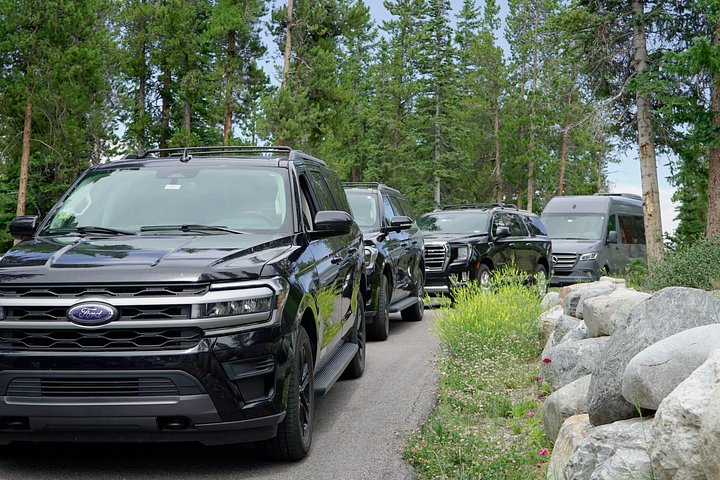
Aspen & Glenwood SpringsGlenwood Hot Springs Pool
One of the largest hot springs pools in the world, filled with mineral water in the heart of Glenwood Springs, about an hour from Aspen.
 Fairbanks & Denali
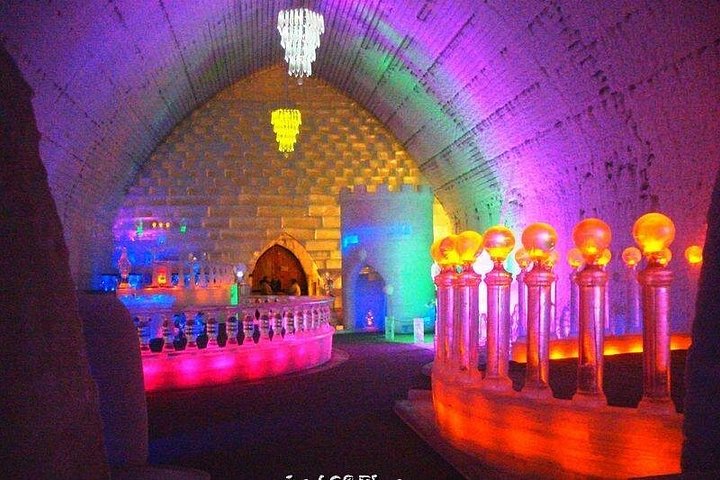
Chena Hot Springs Day Tour from Fairbanks
A day trip to the mineral hot springs about an hour northeast of Fairbanks: soak outdoors in the rock lake, visit the Aurora Ice Museum and ride home through the Chena River valley.
 Park City & the Wasatch Back
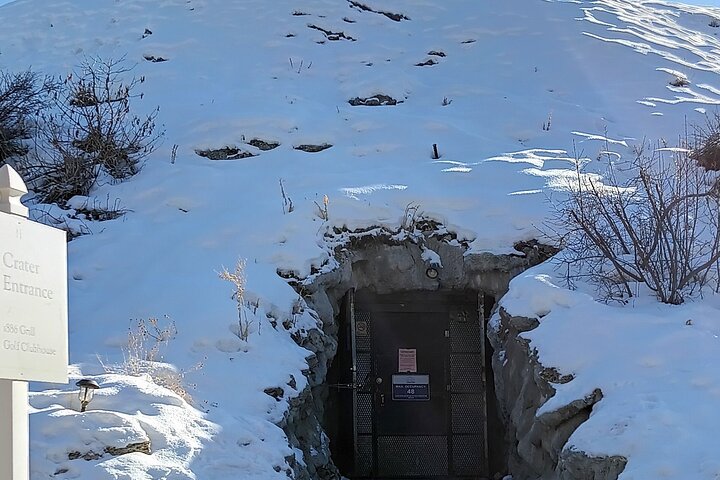
Homestead Crater Hot Spring Soak
A warm mineral hot spring inside a beehive-shaped limestone dome in Midway, where you can soak, swim or float beneath a hole in the roof.
 San Francisco
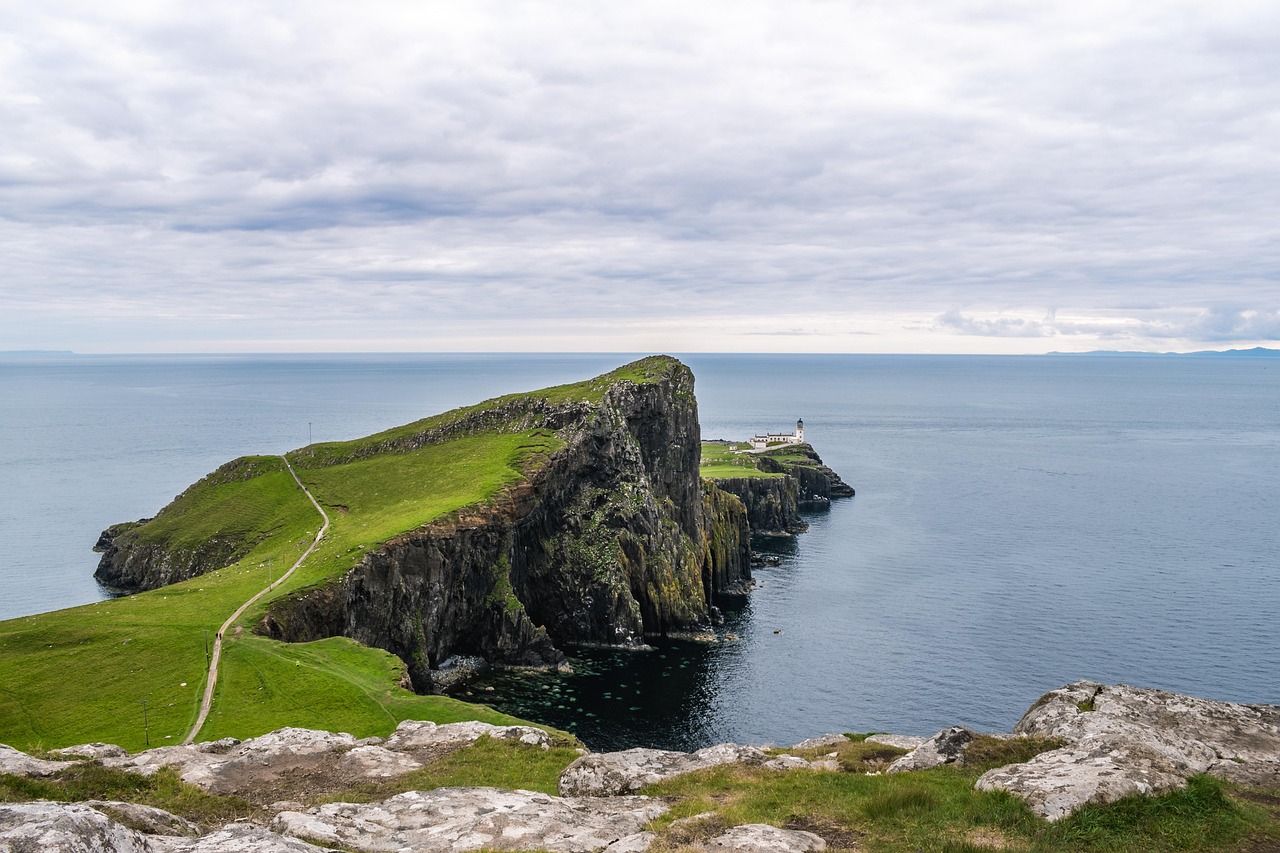
Lands End & Sutro Baths
The city's wild edge, free forever — the coastal trail through cypress to Golden Gate overlooks, the Gilded Age swimming palace's ruins in the surf, shipwreck tides, and the labyrinth on the point.
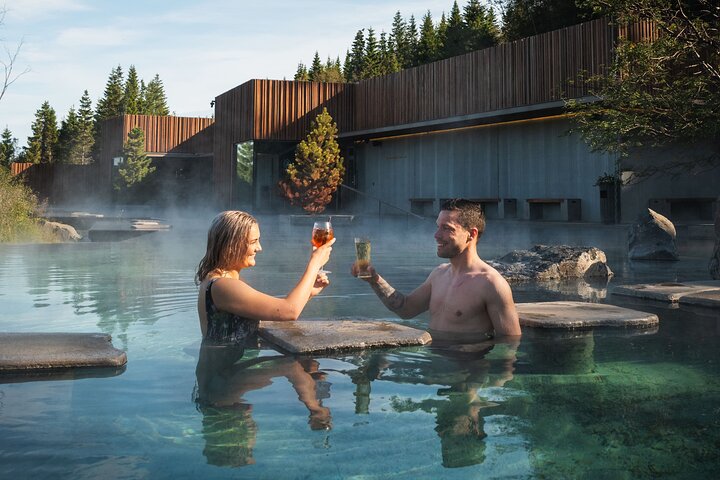 Akureyri & North Iceland
Forest Lagoon, a Geothermal Spa above Akureyri
A woodland geothermal lagoon across the fjord from Akureyri, with infinity-edge pools, steam rooms and views back to town.
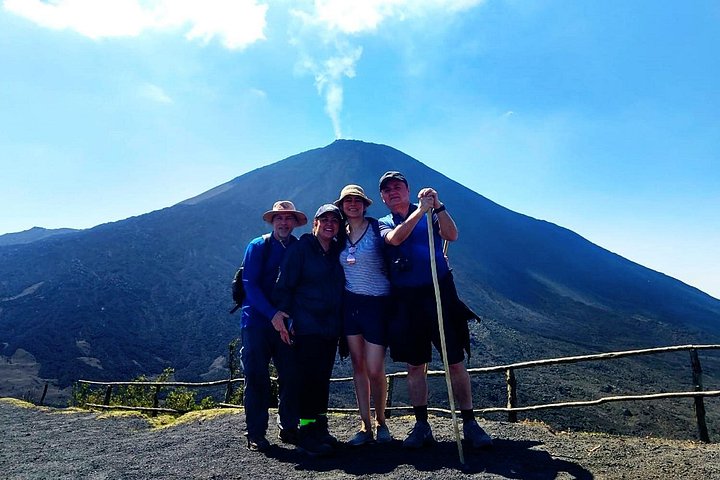 Antigua Guatemala
Pacaya Volcano Hike and Hot Springs
The easy volcano: a short guided hike over black lava fields on Pacaya, with views of Fuego and Agua, followed on the tour linked here by lunch and a soak in nearby hot springs.
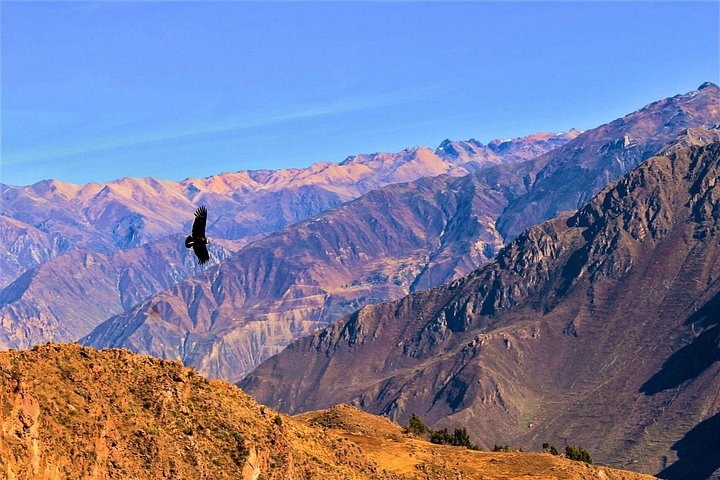 Arequipa & Colca Canyon
Colca Canyon and Cruz del Condor Two-Day Tour
Two days and one night in the Colca Valley: a night in Chivay or a nearby village, the hot springs, then a calm morning at the Cruz del Condor before the drive back.
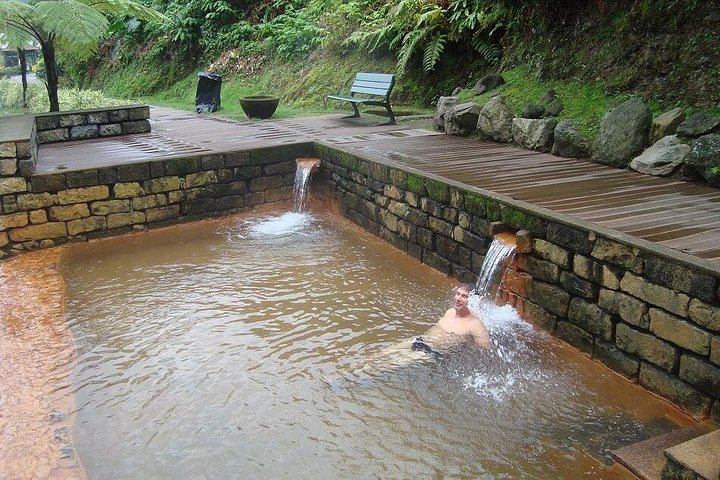 Azores (São Miguel)
Terra Nostra Park and Thermal Pool
A historic botanical garden in the Furnas valley, founded in 1775, with an avenue of ginkgo trees, hundreds of camellias and a big iron-rich thermal pool kept at about 40 degrees.
By destination
Hot Springs · 11
Bali · 4
Santorini · 4
Tulum · 4
Denver · 3
Taipei · 3
Bandung · 2
Marrakech · 2
Rome · 2
Kobe · 1
Tips: hot springs & spas
Thermal baths and spas work on a simple idea: warm water, quiet and time. The details differ a great deal between traditions. A Japanese onsen has strict bathing etiquette, a Turkish hammam involves steam, scrubbing and a massage, and a European thermal bath usually offers a sequence of pools at different temperatures. Natural hot springs in the mountains can be wild and rustic, while others are polished resorts. Knowing which you want makes it much easier to choose well.
Check the practicalities before you go. Find out whether you need your own swimwear and towel, whether the baths are mixed or separate, whether tattoos or swimsuits are restricted in the tradition you are visiting, and what is included in the ticket. Most places ask you to shower first and many have rules about hair, phones and silence. Weekday mornings tend to be quietest, and late afternoon or evening can be wonderfully atmospheric, especially in cold weather. Bring flip-flops, a swimsuit, a towel if not provided, a water bottle and a bag for wet things. Drink water, take breaks, and do not stay in very hot water for longer than feels comfortable.
Budapest is the classic European choice, with historic thermal baths in grand buildings, while Bath in England has its Roman remains and a modern rooftop spa. Hot Springs in Arkansas is built around its bathhouses, and Rotorua in New Zealand combines geothermal landscape with Maori culture and spa experiences. Nagano and Taipei are good for traditional onsen and hot spring culture, and the Azores offer natural volcanic pools in dramatic scenery. Bali, Tulum and Santorini mix spa days with wider holiday plans.
Common mistakes include arriving hungry or straight after a big meal, going at peak weekend hours, ignoring etiquette rules, and booking treatments without checking what they involve. Do not assume every pool is clean enough to swim in, so look for places that are well maintained and clearly managed. If you have any health concerns, ask a professional before using very hot water or steam rooms.
Questions
What should I bring to a thermal bath or hot spring?+
Bring a swimsuit, a towel, flip-flops and a bag for wet items, although some places rent or provide these. Take a water bottle, and a hair tie if you have long hair. In traditional Japanese onsen, swimwear is often not allowed and a small towel is used instead, so check the rules before you go.
How long should I stay in a hot spring?+
Short sessions are better than one long one. Fifteen to twenty minutes at a time, followed by a break to cool down and drink water, is a common pattern. If you feel dizzy or uncomfortable, leave the water and rest. Check the signs at each pool, since temperatures and recommended times vary.
Which is better, a hammam or a thermal bath?+
They are different experiences. A hammam is a guided steam and scrub ritual, often with a massage, and suits people who want to be looked after. A thermal bath is more self-directed, with pools to move between at your own pace. Try one of each if you have time, as they fit different moods.
When is the best time to visit a hot spring?+
Cold weather is the classic time, since warm water feels especially good when the air is cool, and many hot springs look beautiful in snow or on frosty mornings. That said, they are open all year, and quiet weekday mornings are best for avoiding crowds. In hot climates, go early or late in the day.