Ways to explore
Aquariums
Sharks, jellyfish, touch pools and ocean halls, city by city. 164 picks across 145 destinations.
The best of the best
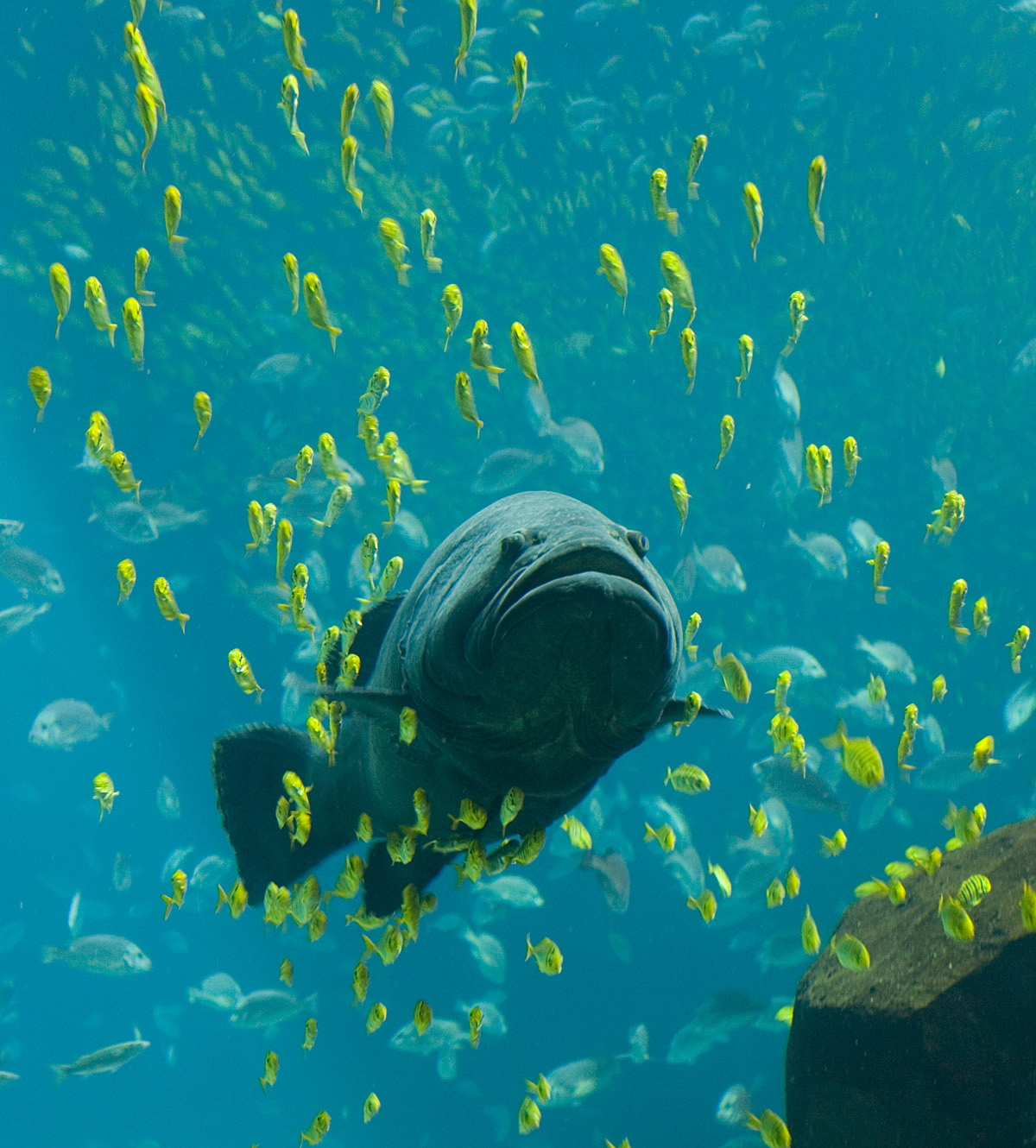
AtlantaGeorgia Aquarium
One of the largest aquariums in the world, built around a vast ocean habitat with a 100-foot underwater tunnel, whale sharks gliding overhead, beluga whales, a dolphin show and a 1.2-million-gallon shark gallery.
 Baltimore
National Aquarium
Baltimore’s headline attraction on the Inner Harbor piers, with sharks, rays, jellies, a rooftop rainforest and dolphins, timed admission that can sell out and late opening on Friday evenings.
 Boston
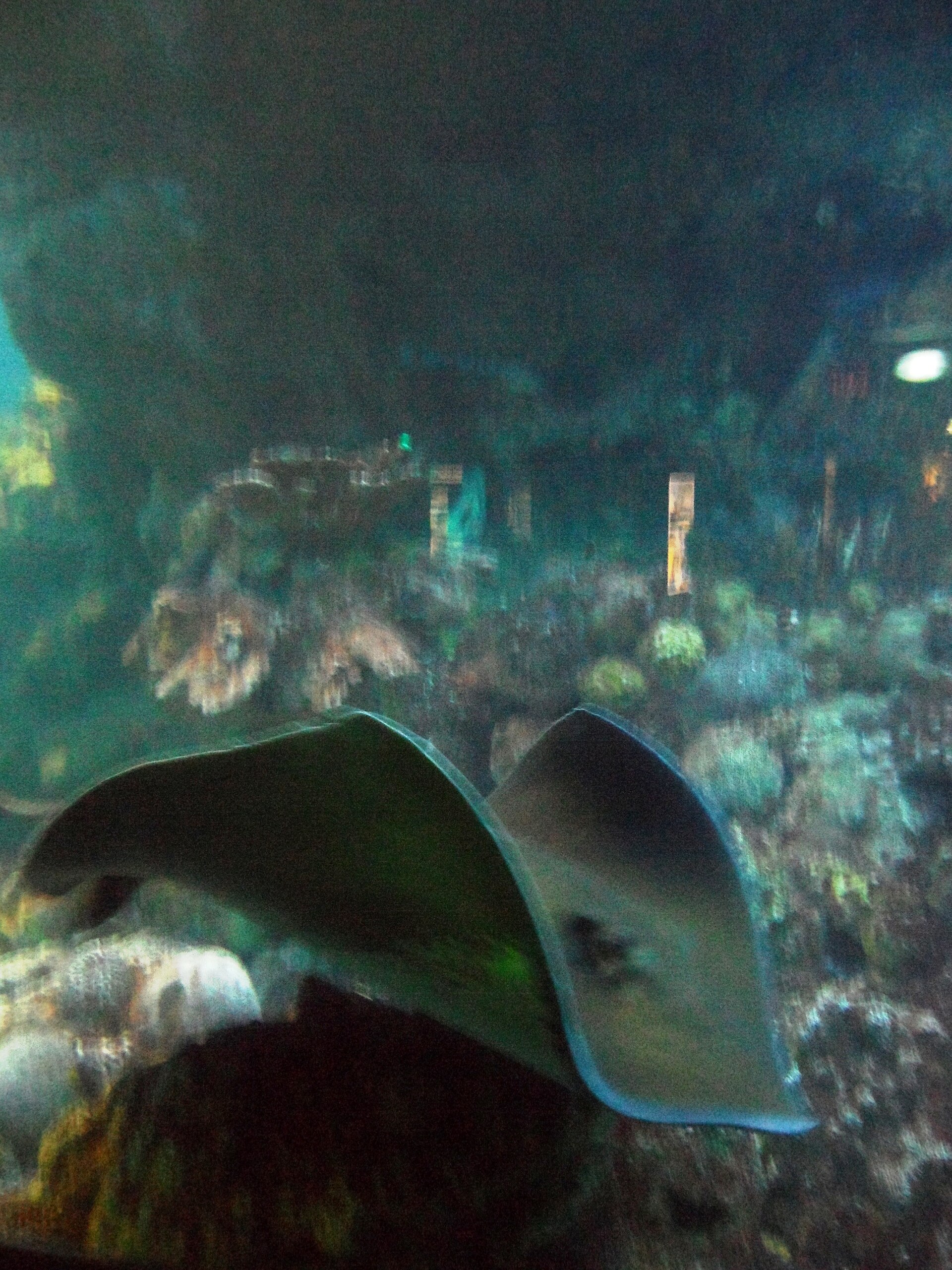
New England Aquarium
On Central Wharf at the downtown waterfront — built around a four-story Giant Ocean Tank you spiral up and around, with sea turtles, sharks, rays, a beloved penguin colony, and harbor seals out front.
 Chattanooga
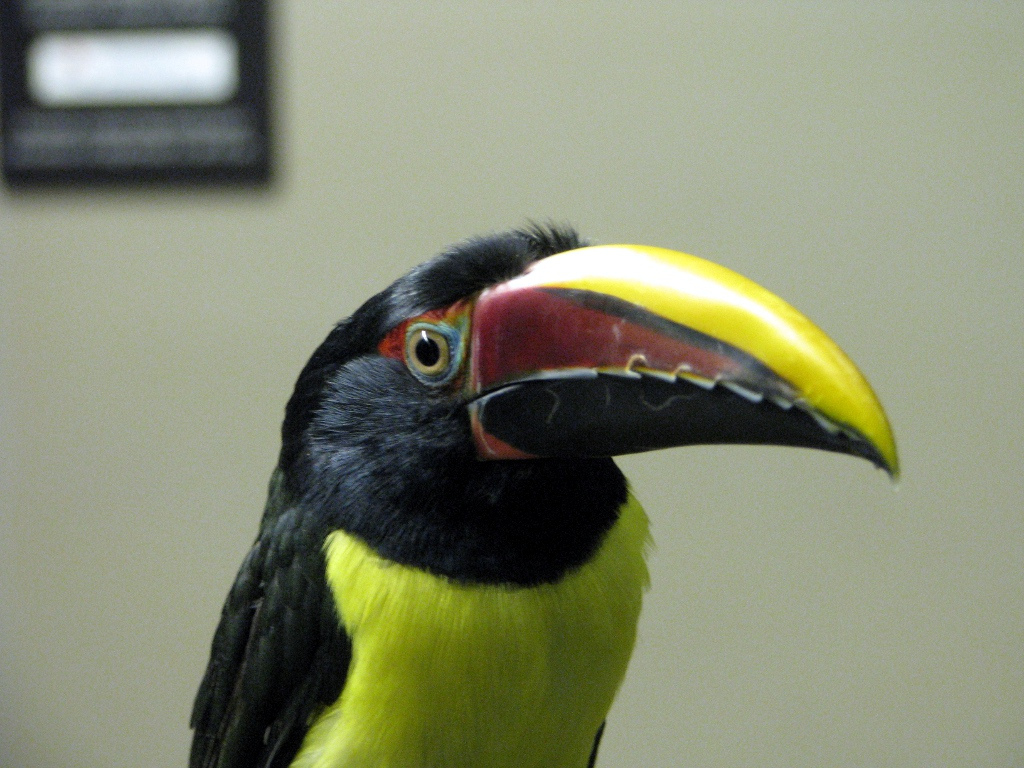
Tennessee Aquarium
A riverfront aquarium that follows a single watershed from Appalachian mountain streams to the open ocean, with river otters, butterflies, penguins, sharks and a dedicated focus on freshwater life.
 Chicago
Shedd Aquarium
One of the largest indoor aquariums in the world, on the lakefront Museum Campus — beluga whales and dolphins in the Oceanarium, a Caribbean reef, sharks, and one of the best skyline views in the city from its front steps.
 Corpus Christi
Texas State Aquarium
A Gulf of Mexico aquarium on the Corpus Christi bayfront, with dolphins, sharks, sea turtles, a Caribbean reef and a wildlife rescue mission that explains the coast just outside its doors.
 Galveston
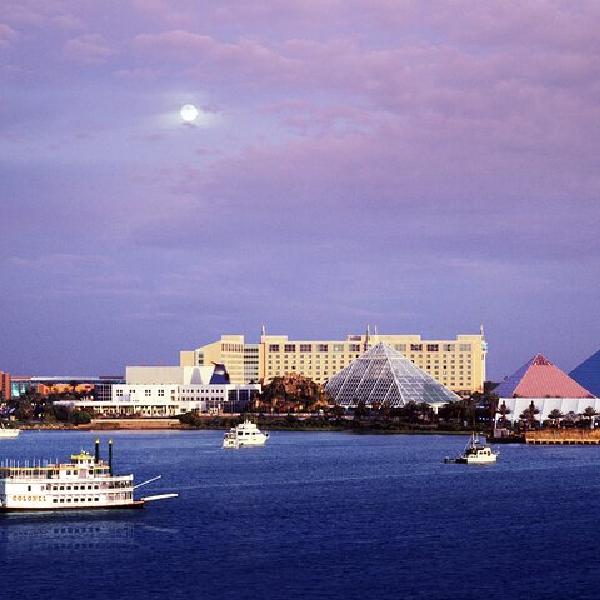
Moody Gardens
Three glass pyramids on the bay side of the island: a living rainforest, a large aquarium with penguins and sharks, and a science pyramid, plus theaters, a ropes course and a seasonal festival of lights.
 Miami
Phillip and Patricia Frost Museum of Science
A modern science museum on Biscayne Bay with a planetarium, three-story aquarium,
By destination
Tips: aquariums
A good aquarium is part science lesson, part spectacle, and easy to enjoy at any age. What separates a great one from a merely adequate one is the quality of the habitats, the variety of species, the way the displays are explained, and what the place does for conservation and research. Look for large tanks with walk-through tunnels, touch pools handled by trained staff, feeding talks and animal encounters. Check whether the aquarium has rescue or research programmes, since this often means better care for the animals and more interesting talks.
Plan the visit to avoid the crowds. Early morning and the last couple of hours before closing are usually quieter, and weekdays are better than weekends and school holidays. Check the feeding and show times when you arrive and plan your route around them, since they are often the highlight. Allow two to four hours for a large aquarium and less for a small one. Comfortable shoes, a light layer, since many halls are cool and damp, and a plan for lunch make the day easier, especially with children.
Several destinations in the list have especially strong aquariums. Tokyo has a range of options in different styles. San Francisco combines a bay-side aquarium with a large science museum that includes an aquarium hall. Dubai and Abu Dhabi have enormous tanks inside shopping and leisure complexes. Dallas, Detroit, Phoenix and Virginia Beach each have aquariums that suit a family day, and Seoul, Okinawa and Berlin offer very different takes on the theme, from tropical reef displays to big city aquariums.
Common mistakes include arriving at the busiest hour without a booked entry slot, skipping the talks and feedings, and rushing the main tank in the first ten minutes. Do not forget that flash photography is often restricted because it disturbs the animals. Touch pools have rules for good reason: wet your hands first, avoid sunscreen and lotion, and touch gently. Check what is included, since special encounters and behind-the-scenes tours often cost extra and sell out.
Questions
How long does an aquarium visit take?+
Allow two to four hours for a large aquarium, and about one to two hours for a small one. Add time if you want to catch feeding talks, shows or special encounters. With young children, shorter visits with a break work better, and it helps to see the favourite exhibits first, before energy runs out.
When is the best time to visit an aquarium?+
Weekday mornings and the last hour or two before closing are usually quietest. Weekends, school holidays and rainy days can be very crowded, as aquariums are a popular indoor choice. Booking a timed entry slot in advance, when it is offered, saves queuing and helps you plan around feeding times.
Are aquariums suitable for young children?+
Yes, they are among the easiest places to visit with small children, since the displays are colourful, indoors and often interactive. Look for touch pools, tunnels and shows. Bring a pushchair if the venue allows it, keep an eye on children near low tanks and touch pools, and plan breaks, since the dark, cool halls can tire little ones.
Can I take photos in an aquarium?+
Usually yes, but without flash, which can disturb the animals and reflects off the glass. Press your camera or phone close to the glass, turn off the flash and keep your screen dim to reduce reflections. Tripods are often not allowed. Dark halls are challenging, so a steady hand and a bit of patience help.