Ways to explore
Snorkelling & diving
Reefs, wrecks and the world under the water. 572 picks across 170 destinations.
The best of the best
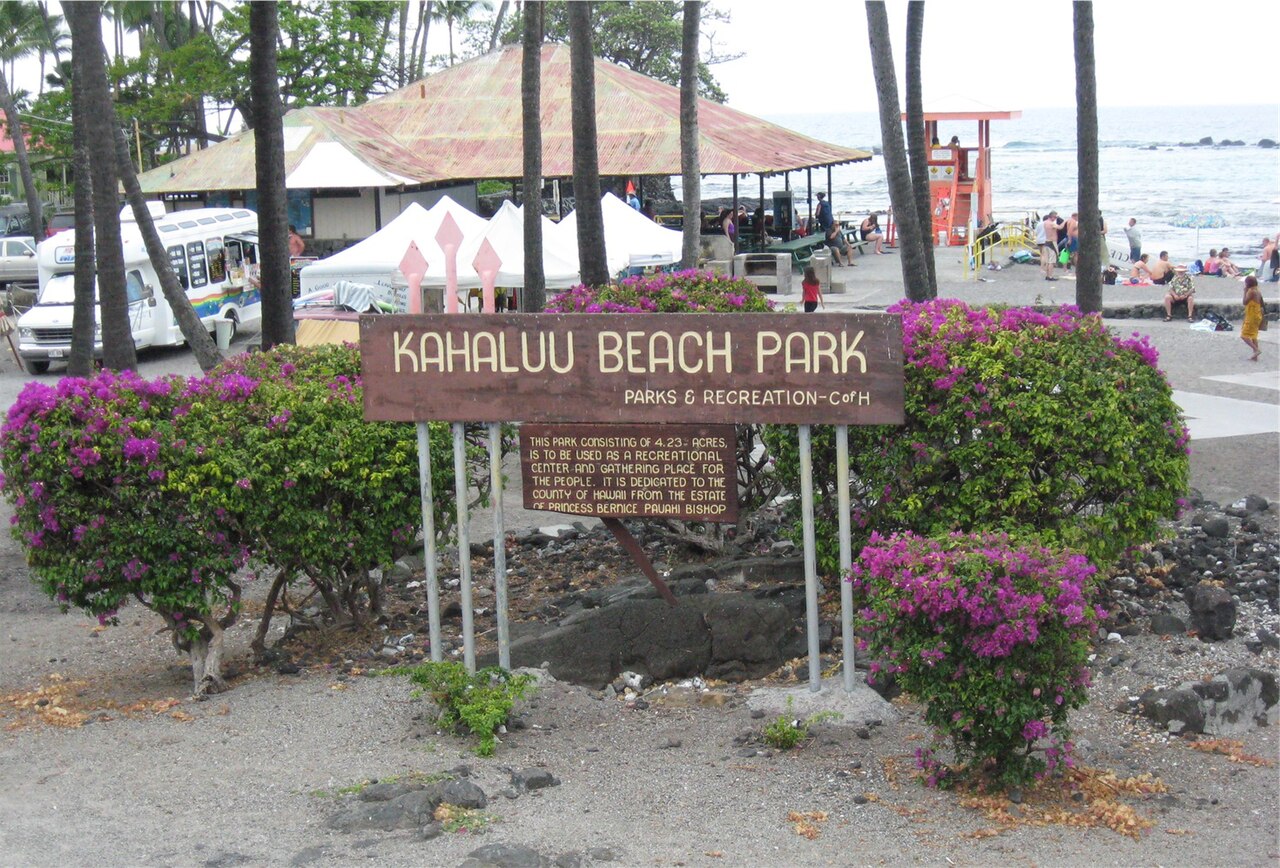
Big Island of HawaiiKahaluu Beach Park
Kona's easiest snorkel: a sheltered, reef-filled bay a few minutes south of town, where green sea turtles and tropical fish swim in knee-deep water.
 Crystal River & the Nature Coast
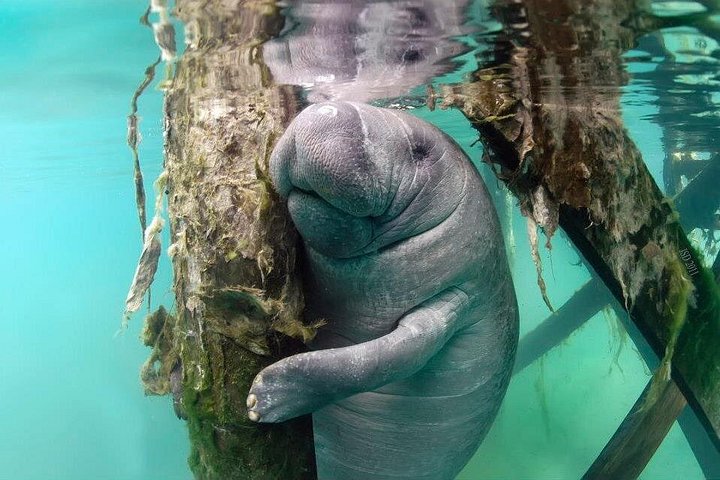
Crystal River Manatee Swim Tour
The signature Crystal River experience: a guided three-hour boat trip into Kings Bay to slip into spring-fed water and float quietly beside wild manatees, with an in-water guide and gear provided.
 Florida Keys
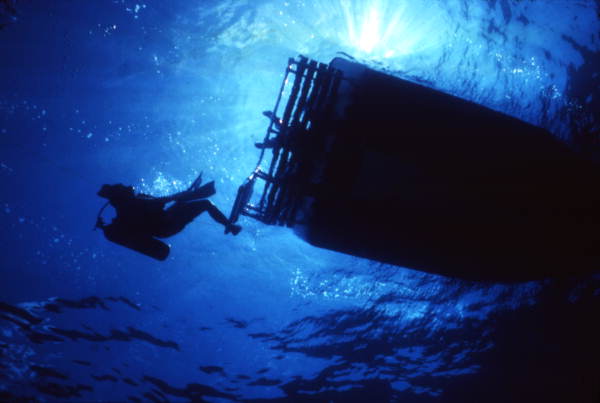
John Pennekamp Coral Reef State Park
The first underwater state park in the United States, protecting a long stretch of living coral reef, seagrass and mangrove shoreline just off Key Largo, with a visitor center aquarium, beaches, trails and boat trips to the reef.
 Fort Lauderdale
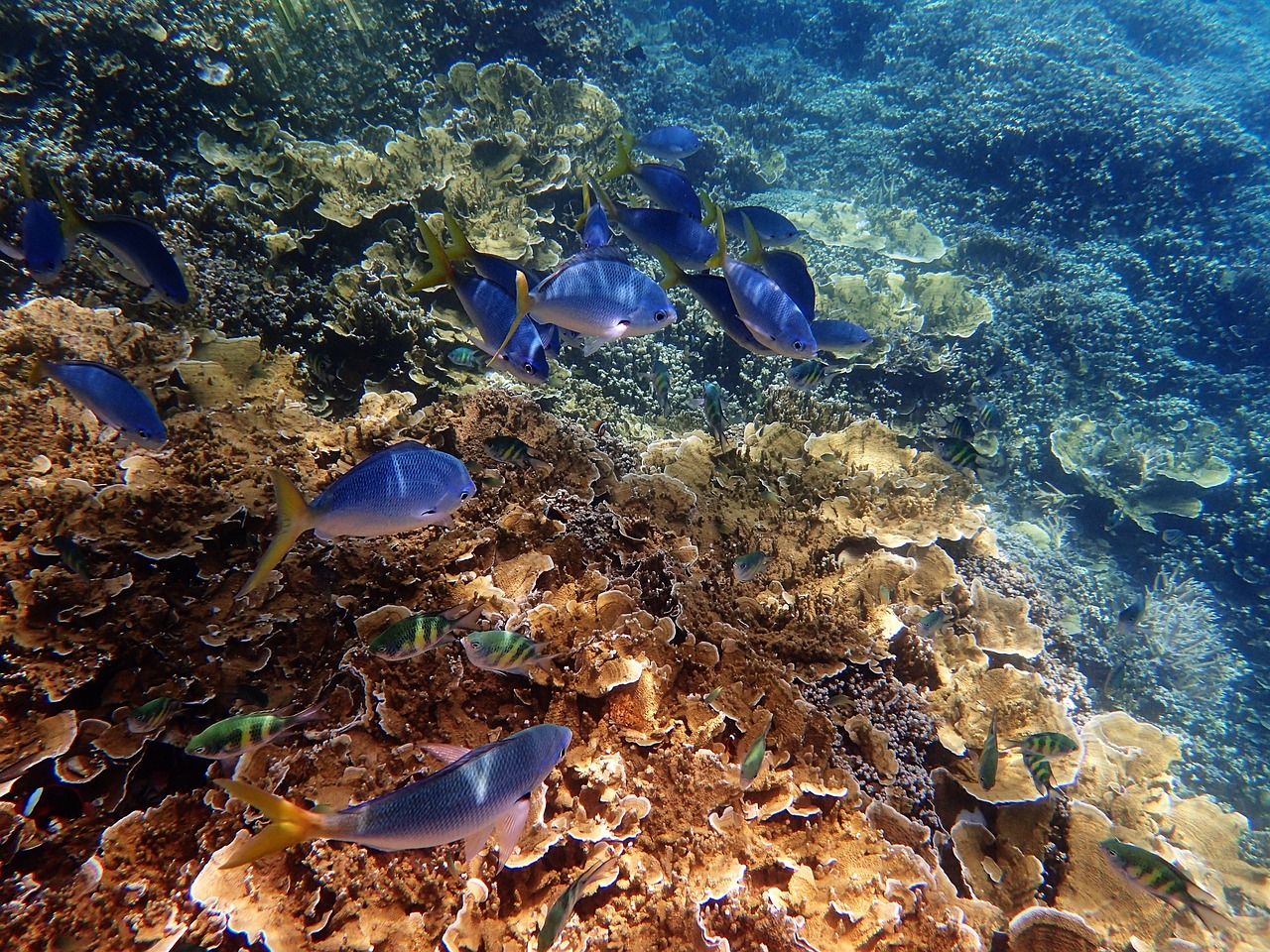
Sea Experience Glass-Bottom Boat and Reef Snorkel
The reef Fort Lauderdale forgets it has — a narrated run down Millionaires' Row and out through Port Everglades to a living coral ledge half a mile off the beach, with snorkel gear for swimmers and glass-bottom wells for everyone else.
 Kauai
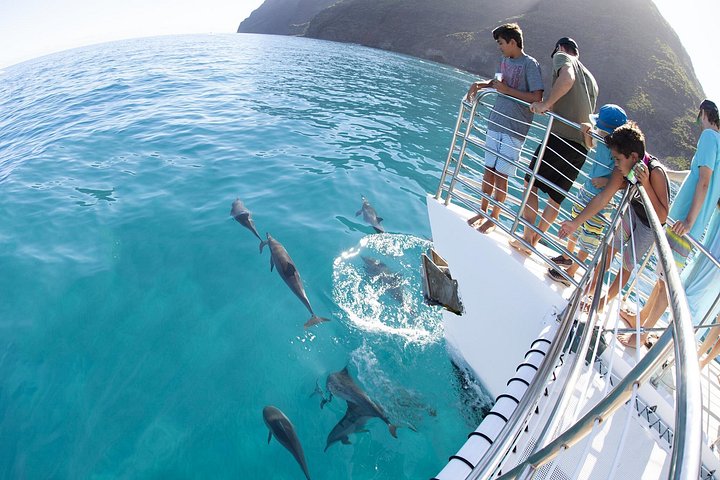
Na Pali Coast Snorkel Cruise on Lucky Lady
A catamaran day on Kauai's Na Pali coast: sea cliffs, waterfalls and sea caves from the water, with snorkeling stops and a summer-only season.
 Key West
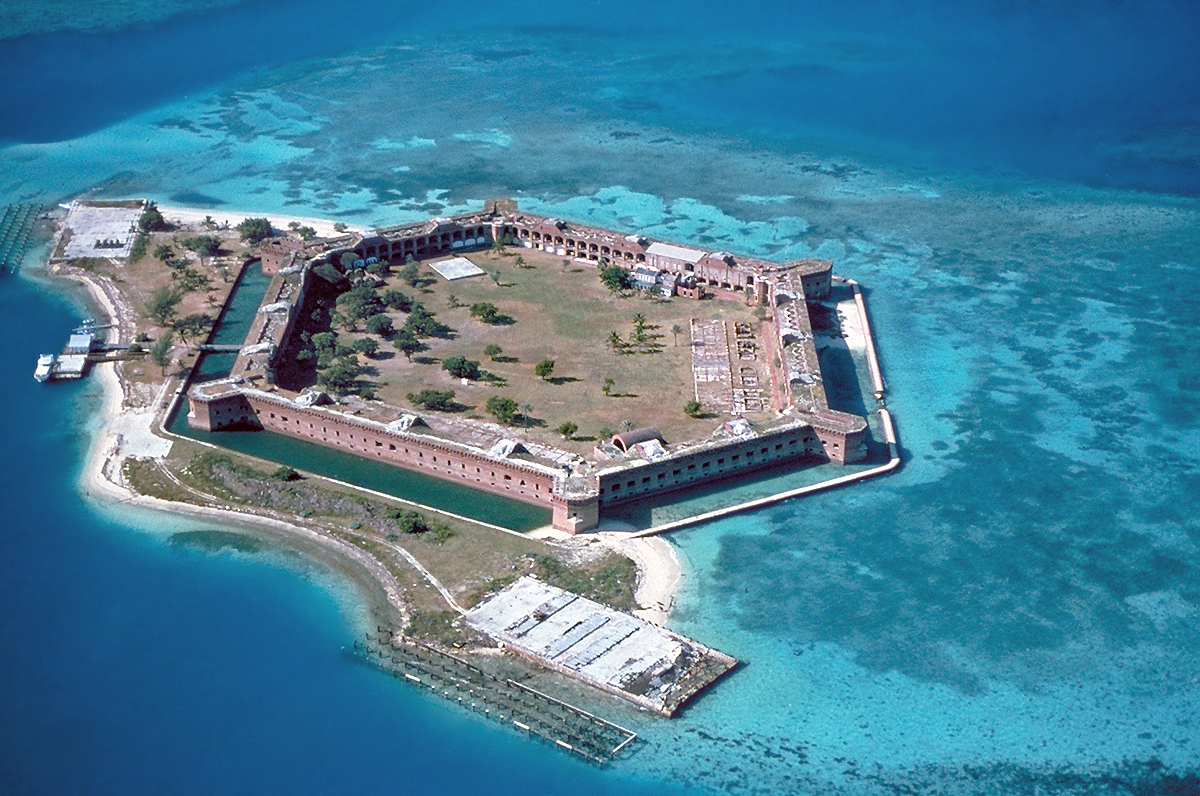
Dry Tortugas National Park and Fort Jefferson
Seventy miles west by high-speed ferry or seaplane: a vast hexagonal brick fort rising from turquoise water, snorkeling off the moat wall, and one of the most remote national parks in America.
 Maui
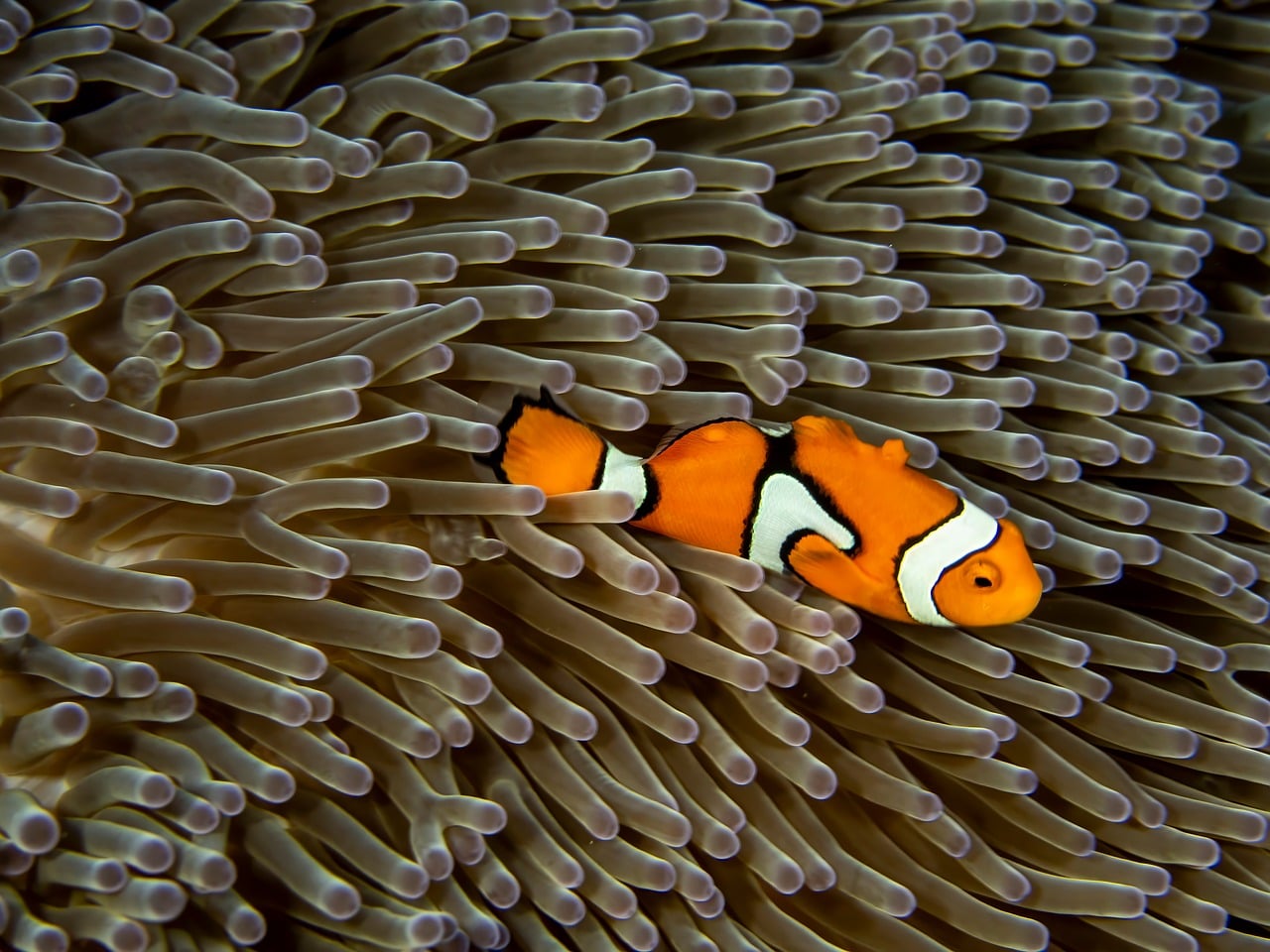
Molokini Crater Snorkel Cruise
Snorkel inside a sunken volcanic crater — Molokini's crescent shelters some of Hawaii's clearest water (100-foot-plus visibility) and a protected reef, reached by morning boat tours from Maui's south shore.
 Oahu (Honolulu & Waikiki)
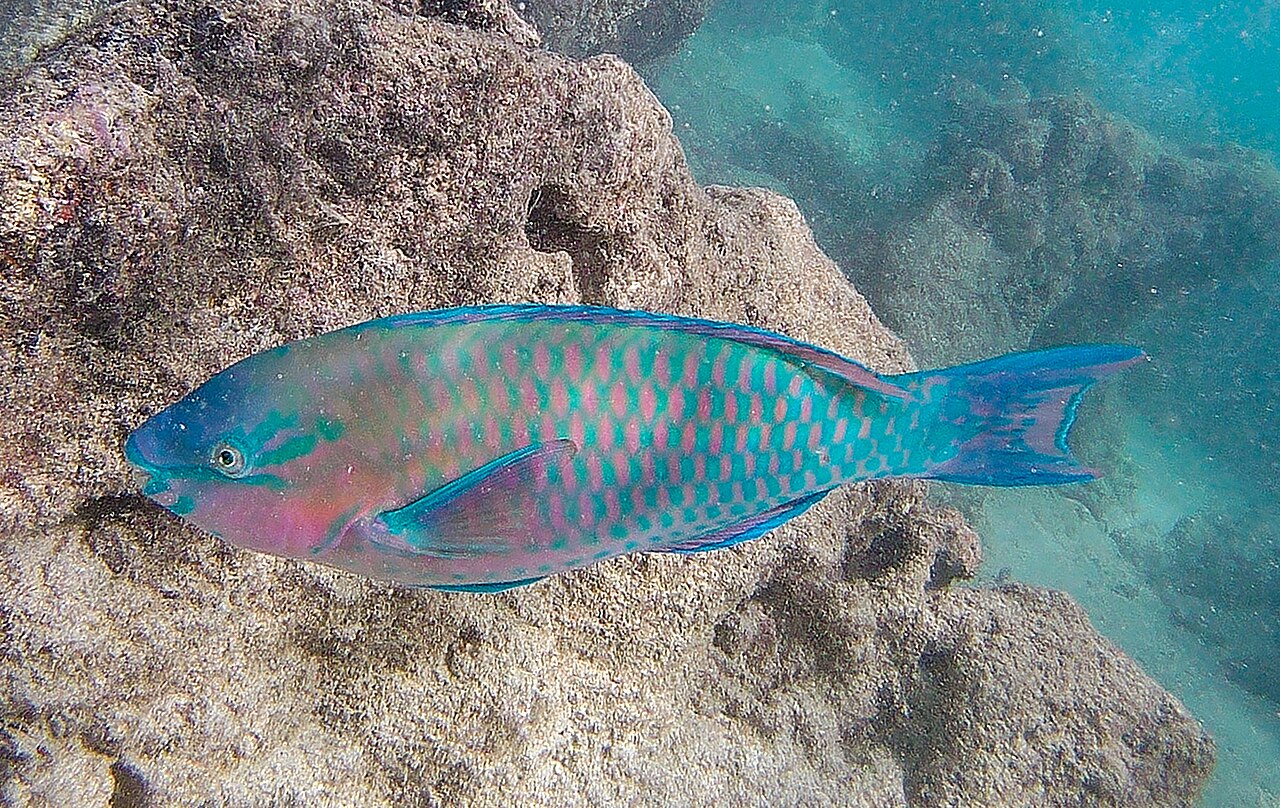
Hanauma Bay Nature Preserve (Oahu)
Oahu's legendary snorkeling bay — a protected volcanic cove filled with reef fish and green sea turtles.
By destination
Hurghada · 12
Tulum · 12
Bonaire · 10
Cozumel · 10
Florida Keys · 9
Isla Mujeres · 9
Labuan Bajo & Komodo · 9
- Komodo National Park Speedboat Tour from Labuan Bajo
- Komodo Island Speedboat Tour with Padar, Pink Beach and Snorkeling
- Full-Day Komodo Island Hopping Boat Trip from Labuan Bajo
- Sunset and Snorkeling at Kelor, Menjerite and Kalong Islands
- Explore Komodo Open Trip: 2 Days and 1 Night
- Komodo 3-Day, 2-Night Liveaboard in a Shared Cabin
Roatán · 9
Kauai · 8
Maui · 8
Chichén Itzá · 8
Punta Cana · 8
St. Thomas · 8
Bocas del Toro · 7
Sharm el-Sheikh · 7
Zanzibar · 7
Fiji · 6
Koh Samui · 6
Krabi & Ao Nang · 6
Marsa Alam · 6
Milos · 6
Phuket · 6
Turks & Caicos · 6
Key West · 5
Cancun · 5
Cebu & Bohol · 5
Costa Maya · 5
Koh Lanta · 5
Los Cabos · 5
Maldives · 5
Montego Bay · 5
Negril · 5
Puerto Vallarta · 5
Aqaba & Wadi Rum · 4
Aruba · 4
Bacalar · 4
Curaçao · 4
Gran Canaria · 4
Grenada · 4
Ibiza · 4
Martinique · 4
Mombasa & Diani · 4
Mérida & Yucatán · 4
Phu Quoc · 4
Puerto Plata · 4
Rhodes · 4
Seychelles · 4
Fort Lauderdale · 3
San Juan · 3
Bermuda · 3
Kaş & Kalkan · 3
Khao Lak · 3
Mallorca · 3
Manuel Antonio · 3
Mauritius · 3
Menorca · 3
Nha Trang · 3
Nicoya Peninsula · 3
Paraty · 3
Tenerife · 3
San Diego · 2
Barbados · 2
Bodrum · 2
Cartagena · 2
Guayaquil · 2
Madeira · 2
Ocho Rios · 2
Tips: snorkelling & diving
Snorkelling is the easy way in. You need to be comfortable in water and able to swim a little, and the better operators will give you a short briefing, fitted equipment and a flotation vest if you want one. Diving takes more: a certification, or a supervised introductory dive where an instructor stays with you and handles the technical side. Many places offer both from the same boat, so you can choose according to your confidence on the day.
Quality varies enormously, and it shows in the details. Look for small groups, a guide in the water rather than just on the deck, a proper safety briefing, and a company that talks about reef protection and keeps you off the coral. Clear water matters more than any amount of equipment, so ask about visibility, currents and conditions rather than assuming. Morning departures are often calmer and clearer, and wind builds up later in the day in many places. Bring a rash vest or thin wetsuit, reef-safe sun cream, a towel, and a waterproof camera or phone pouch.
Several of the top destinations here are celebrated for good reasons. Cozumel and Playa del Carmen sit along the Mesoamerican reef, with Tulum and Isla Mujeres adding cenotes, turtles and, in season, whale sharks. Bonaire is famed for easy shore diving, Hurghada gives access to Red Sea reefs, and Komodo offers strong currents and rich marine life suited to experienced divers. Roatan, the Florida Keys and the islands of Hawaii all give a lot of variety, from gentle reef snorkelling to wrecks and drift dives.
The common mistakes are choosing the cheapest, most crowded boat, overestimating your swimming, touching or standing on coral, and ignoring a warning flag or a guide's instructions. Do not fly too soon after diving, and leave a buffer before a flight home. If you are nervous, say so at the briefing, since good guides adjust the plan, and consider a shallow, sheltered site for a first outing.
Questions
Do I need to be a strong swimmer to snorkel?+
You need to be comfortable in water and able to float and move yourself, but you do not need to be a strong swimmer. Flotation vests are widely available and good operators will offer one. If you are anxious, ask for a calm, shallow site and tell the guide before you get in, so they can keep an eye on you.
Do I need a certification to scuba dive?+
Not for an introductory dive, where an instructor supervises you at shallow depth after a short briefing. For deeper or independent dives you will need a recognised certification, and operators will usually ask to see your card and your recent experience. Bring your certification with you if you are certified, and ask about refresher options if it has been a while.
What is the best time of day for snorkelling?+
Mornings are usually best. Winds tend to be lighter, the surface is calmer and the water is often clearer, and tours are typically less crowded. Midday sun gives good light for colour on a clear day, but afternoon chop and boat traffic can reduce visibility. Ask the operator which sites they visit at which time and why.
Is it safe to wear sun cream while snorkelling?+
Wear reef-safe sun cream, applied well before you get into the water, or choose a rash vest or long-sleeved swim top, which protects you without leaving residue on the reef. Many marine parks ask visitors to avoid ordinary sun creams. A hat and shirt for the boat ride will also reduce how much you need.