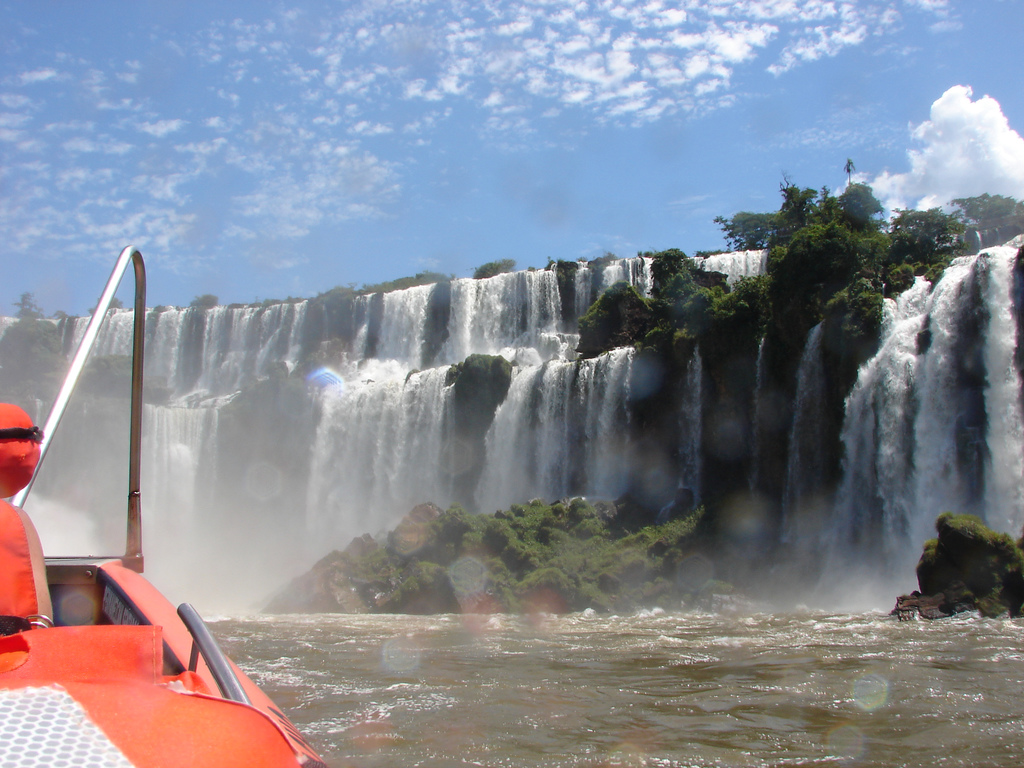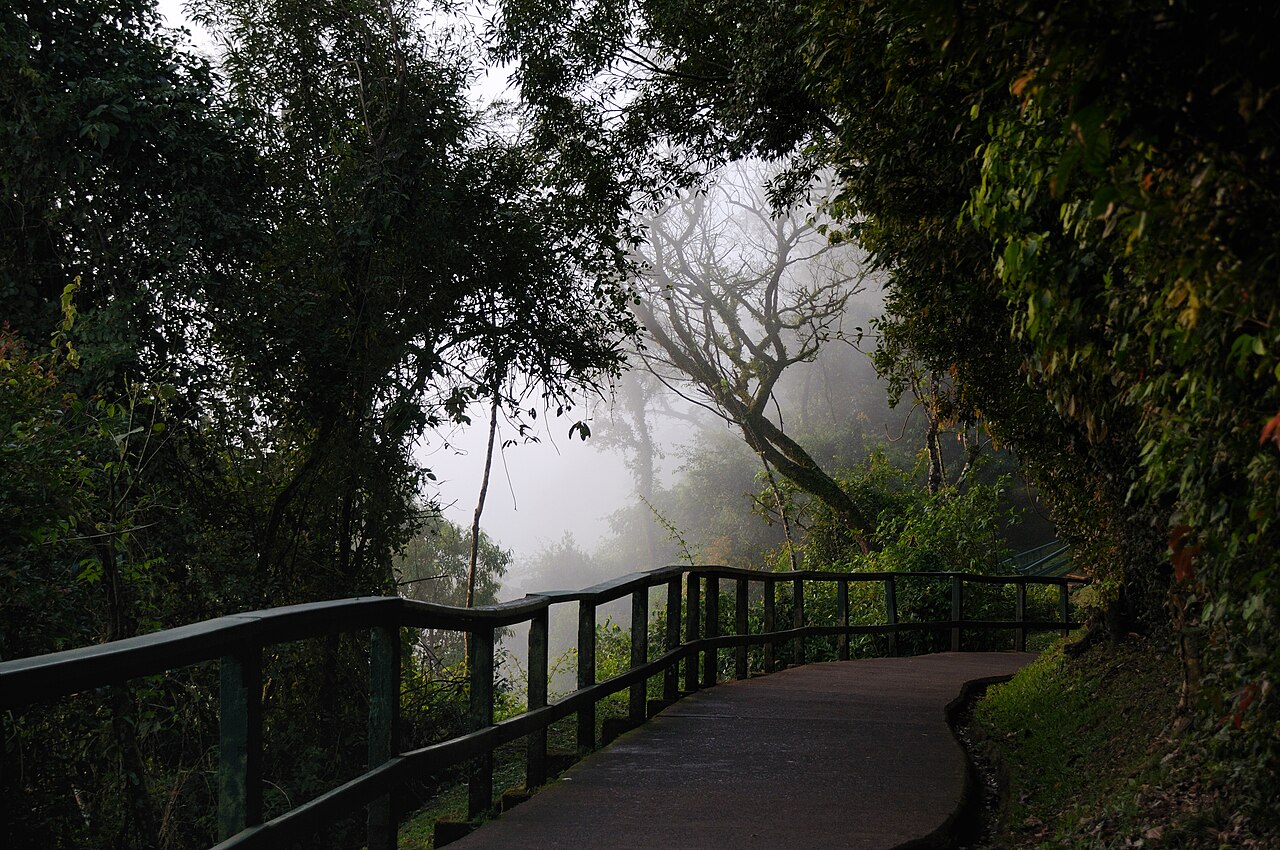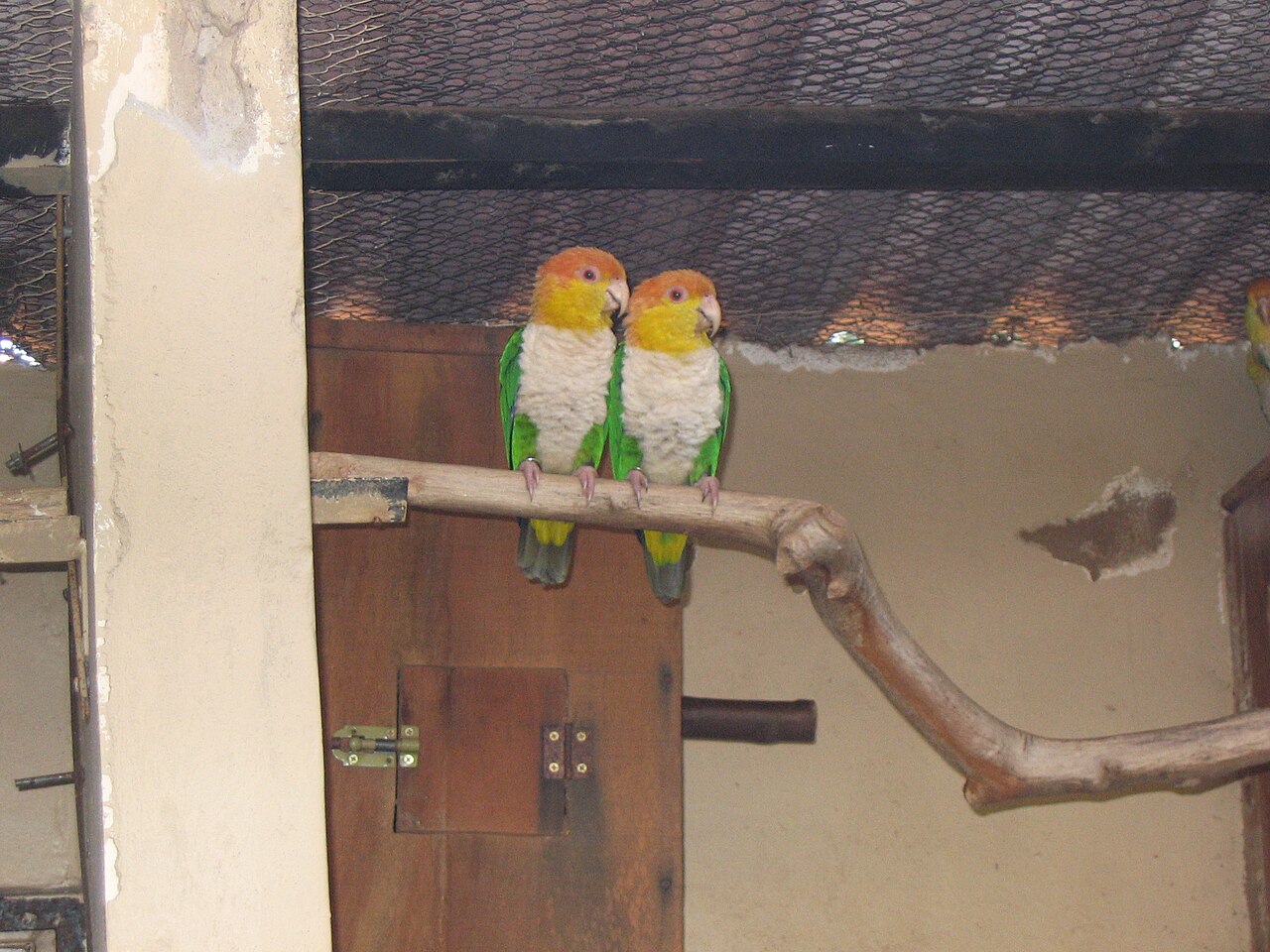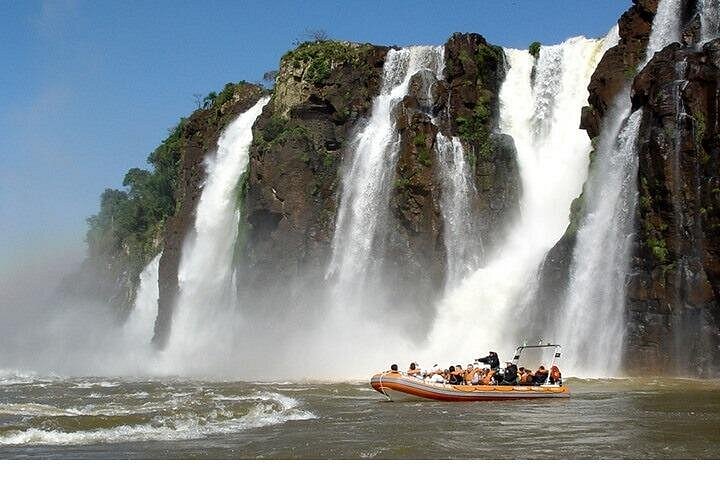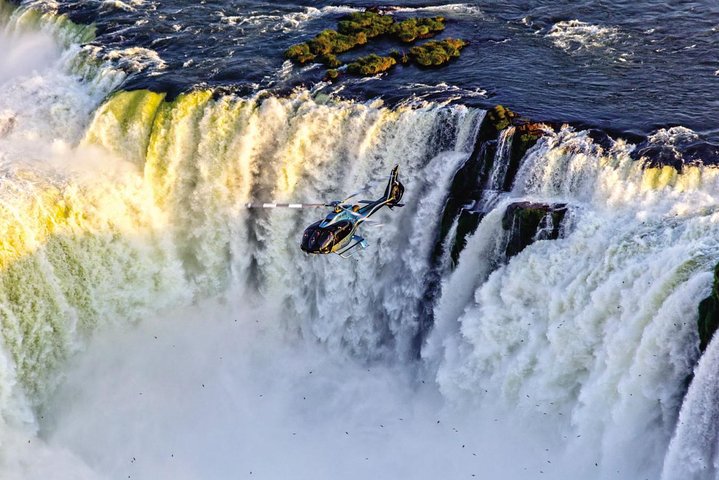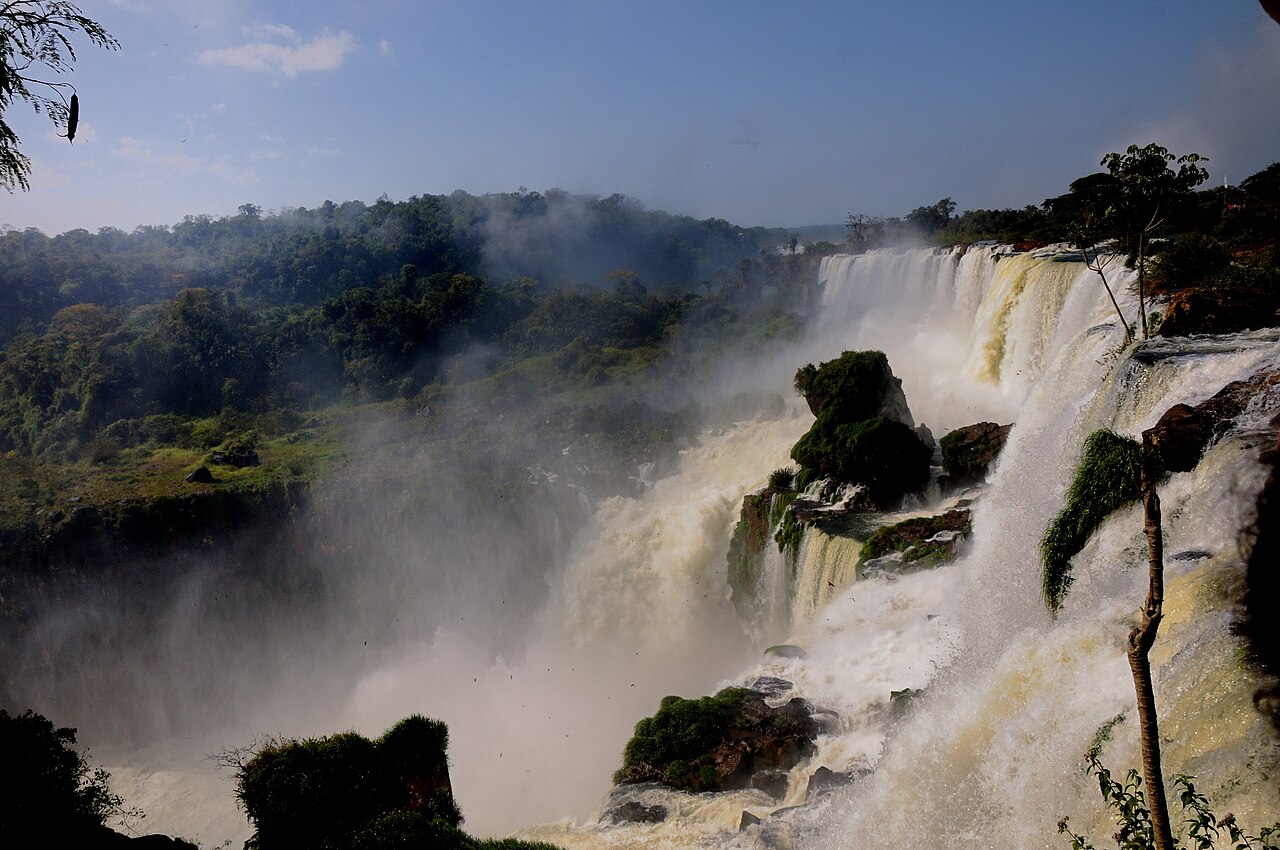
Iguazú National Park on the Argentine side is where most visitors come to feel the falls rather than simply look at them. The park is a UNESCO World Heritage site, and roughly three quarters of the falls' width lies on the Argentine bank, so the walkways put you right at the lip of the drops, in the spray, and sometimes under them. The park is organised around a visitor center and a free little rainforest train that carries you between stations. From the central station you reach the Upper Circuit, which runs along the tops of the falls, and the Lower Circuit, which drops down stairways toward the base of the Bossetti and Dos Hermanas cascades. A longer line runs on to Garganta del Diablo station for the Devil's Throat, the great U-shaped horseshoe where the river plunges out of sight. Toucans, coatis, butterflies and the occasional caiman keep you company on the trails, and the Macuco trail heads deeper into the forest for those who want quiet. Plan a full day, start when the gates open, and carry water, sun protection and a light rain jacket.
The crucial thing to know is that river levels decide what is open. After heavy rain upstream the river rises, and the park closes walkways preventively, most often the long Devil's Throat walkway, sometimes for weeks at a time. The Lower and Upper Circuits can also close for short spells when the water is high.
Status can change from one day to the next, so check the national park's own notices the day before you go, and treat a Devil's Throat visit as a bonus rather than the plan until you have confirmed it is open.
Even with that caveat, the park rewards a full day. A good order is the train to the Devil's Throat station first if it is open, then the Upper Circuit for the panoramas, then the Lower Circuit with its stairways and the view of the San Martin island and the Three Musketeers cascade, and finally lunch near the visitor center before the Macuco trail or the boat ride. Midday is the busiest time, and tour buses arrive in waves, so the first and last hours of the day are calmer and better for photographs.
Entry fees are charged in Argentine pesos, with the highest rate for foreign adults and lower rates for Argentine residents, children and students; buy online and confirm the current figure, because it is revised often. The tour linked here bundles hotel pickup in Puerto Iguazú, the park entrance and a guide, which suits travelers who want logistics handled. Independent travelers can simply take the local bus from the Puerto Iguazú terminal and buy a ticket at the gate.
What to expect
The experience
A self-guided walk along raised metal walkways through the rainforest, with a free park train between stations and optional guided and boat add-ons.
Best time
Arrive at opening for cooler air and thinner crowds, and plan a long lunch break in the middle of the day before an afternoon circuit.
How long
Allow six to eight hours for the Upper and Lower Circuits, more if the Devil's Throat walkway is open and you add the Macuco trail.
Tips
Check the park notices the day before, bring water and a rain layer, wear shoes with grip, and keep food sealed because the coatis are expert thieves.
Quick picks
- Best for
- First-timers who want to be inside the falls, with the most walkways and the best sense of scale.
- Families
- Excellent for children who can walk steadily; the train is a hit and the Lower Circuit has stairs, so pushchairs are awkward on some sections.
- Couples
- The Upper Circuit early in the morning, then a lazy lunch and a slow walk down to the lower viewpoints.
- Pair with
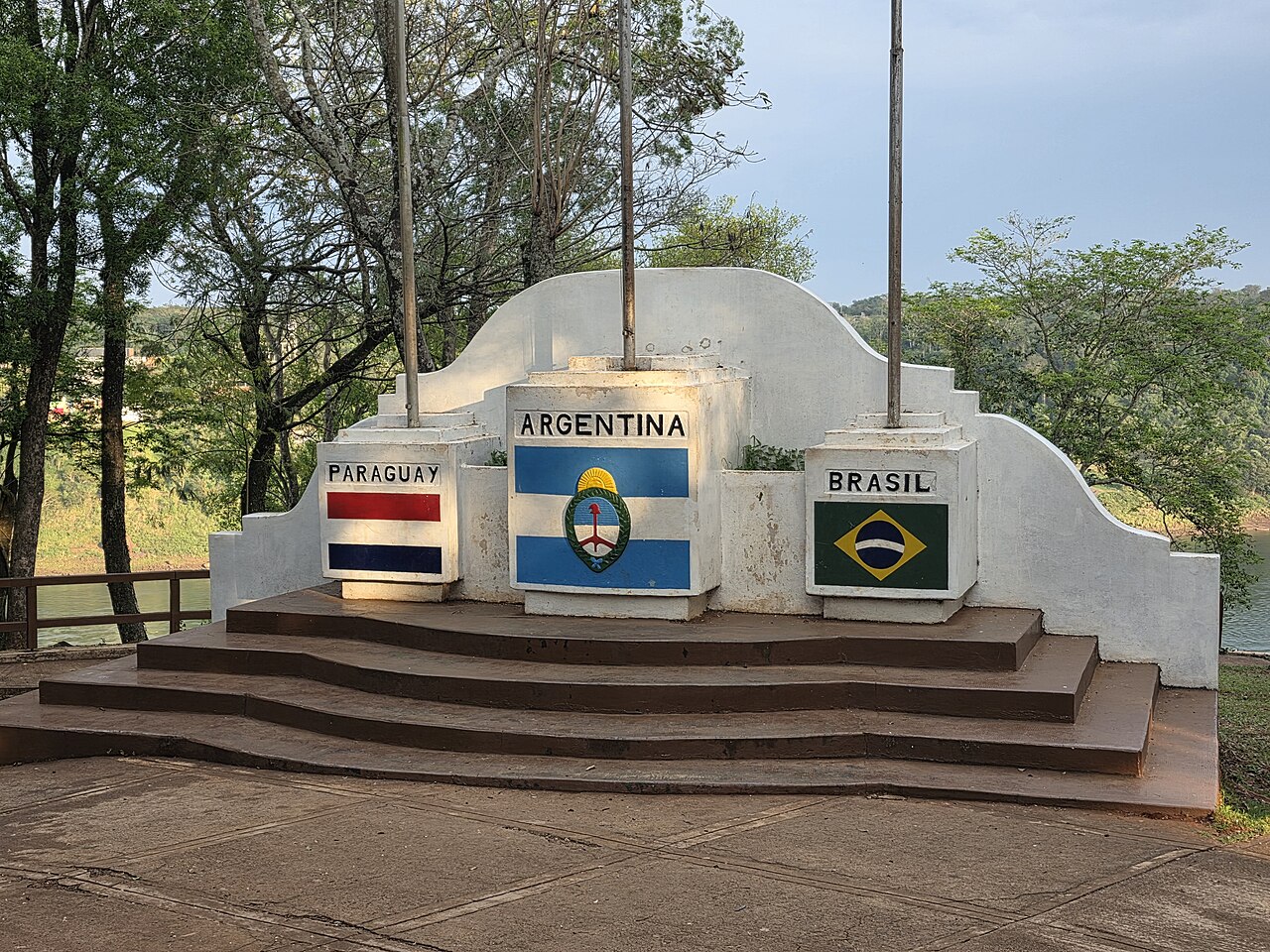
- The Gran Aventura boat ride, the Hito Tres Fronteras at sunset and the Brazilian side on a second day.
- Time needed
- One full day, ideally with the Brazilian side on a separate day.
Good questions
Is the Devil's Throat open on the Argentine side?+
It depends on the river. The walkway is closed whenever the water is high, and in wet years that can last for weeks, so check the national park's notices before you plan around it. The Brazilian side has a walkway to a Devil's Throat lookout that is also closed at high water.
How much is the entrance fee?+
Foreign adults pay the highest rate, in Argentine pesos, with cheaper categories for residents and students. Prices change often, so confirm on the ticketing page.
How long do I need on the Argentine side?+
A full day is ideal, around six to eight hours with breaks. A rushed half day covers one circuit at most.
Do I need a passport to enter the park?+
Yes, carry your passport or a copy of the photo page, as foreign visitors are often asked for ID at ticket checks. If you are crossing to Brazil the next day, keep the original safe and handy.
Is the park suitable for wheelchairs?+
Parts of the Upper Circuit and the train are accessible, but the Lower Circuit has stairs and some walkways are narrow. Ask at the visitor center which routes are open and suitable on the day.