The funicular and cable cars that lift you from the old town to the Seegrube and Hafelekar on the Nordkette ridge, with views over the Inn Valley to the Stubai glaciers and north into the Karwendel. Closes for a few weeks of annual maintenance each autumn.
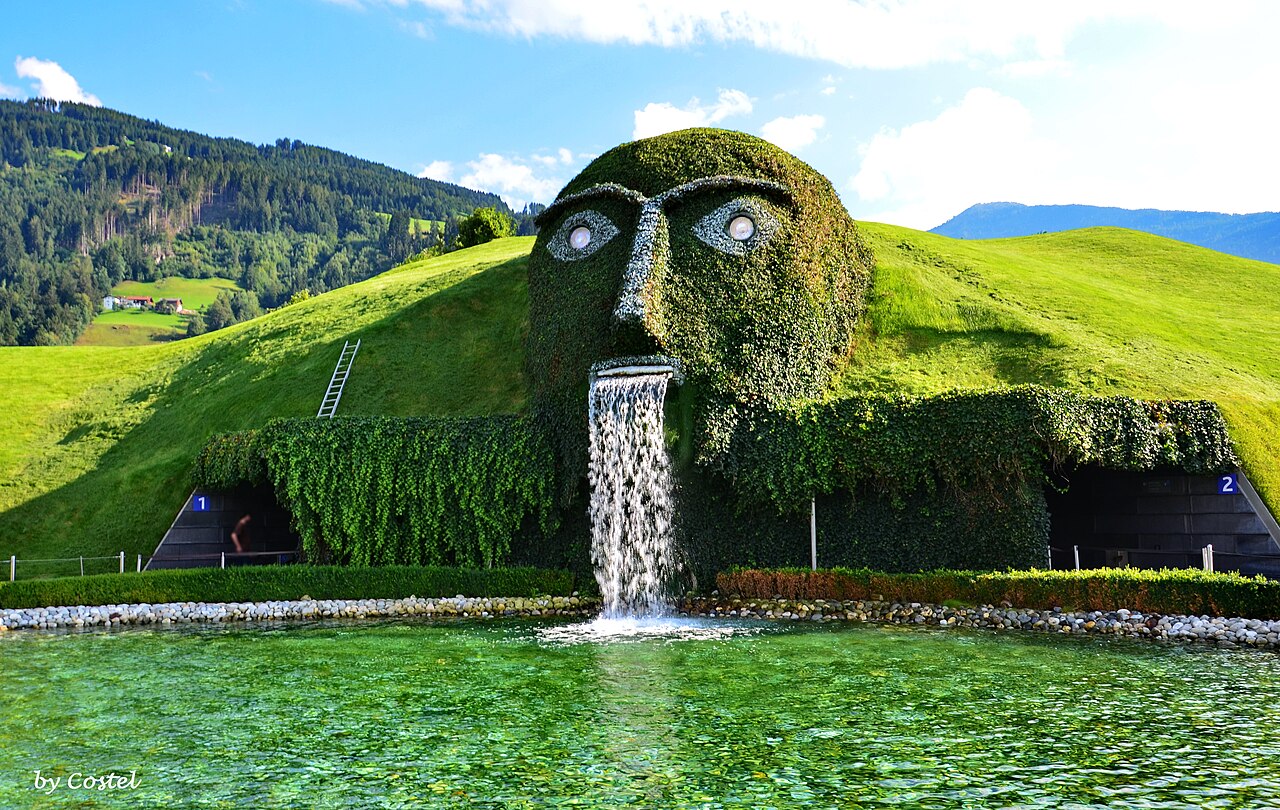
The crystal wonderland in Wattens, guarded by a grass-covered Giant with sparkling eyes, where artists have filled the Chambers of Wonder below ground and a garden with the Crystal Cloud, a play tower and a labyrinth.
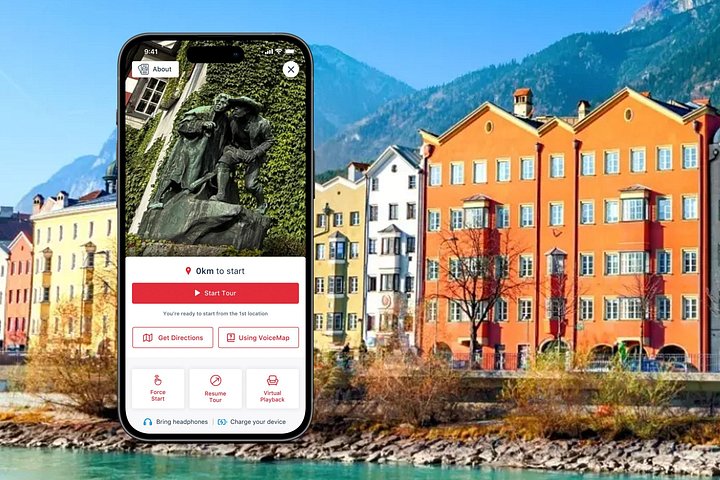
Innsbruck’s emblem, a late-Gothic balcony crowned with fire-gilded copper shingles, built for Emperor Maximilian I and now home to a small museum, at the heart of an old town of arcaded lanes and pastel facades.
The Habsburgs’ Imperial Palace at the edge of the old town, with Baroque state rooms, the Imperial Apartments, the Maximilian1 exhibition and a changing programme of special exhibitions.
1.5-2 hours$$Visit site → The Habsburg church that holds Emperor Maximilian I’s grand cenotaph, guarded by 28 larger-than-life bronze figures known as the Black Men, plus the Silver Chapel and a Renaissance organ.
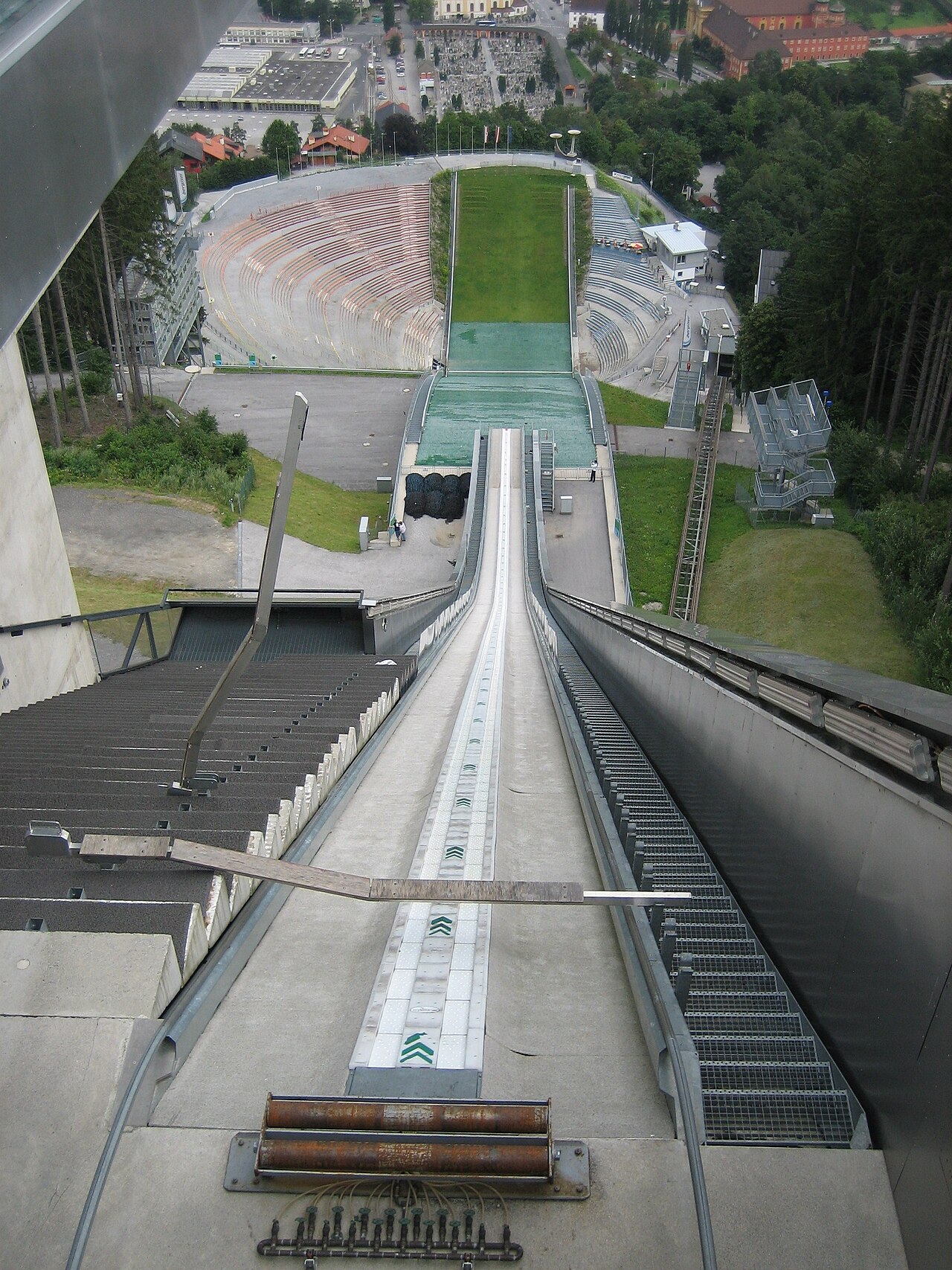
Zaha Hadid’s sculptural ski jump on the hill south of the city, an Olympic venue in 1964 and 1976, with a lift to a tower-top panorama terrace and restaurant looking down the in-run to the city and the Nordkette.
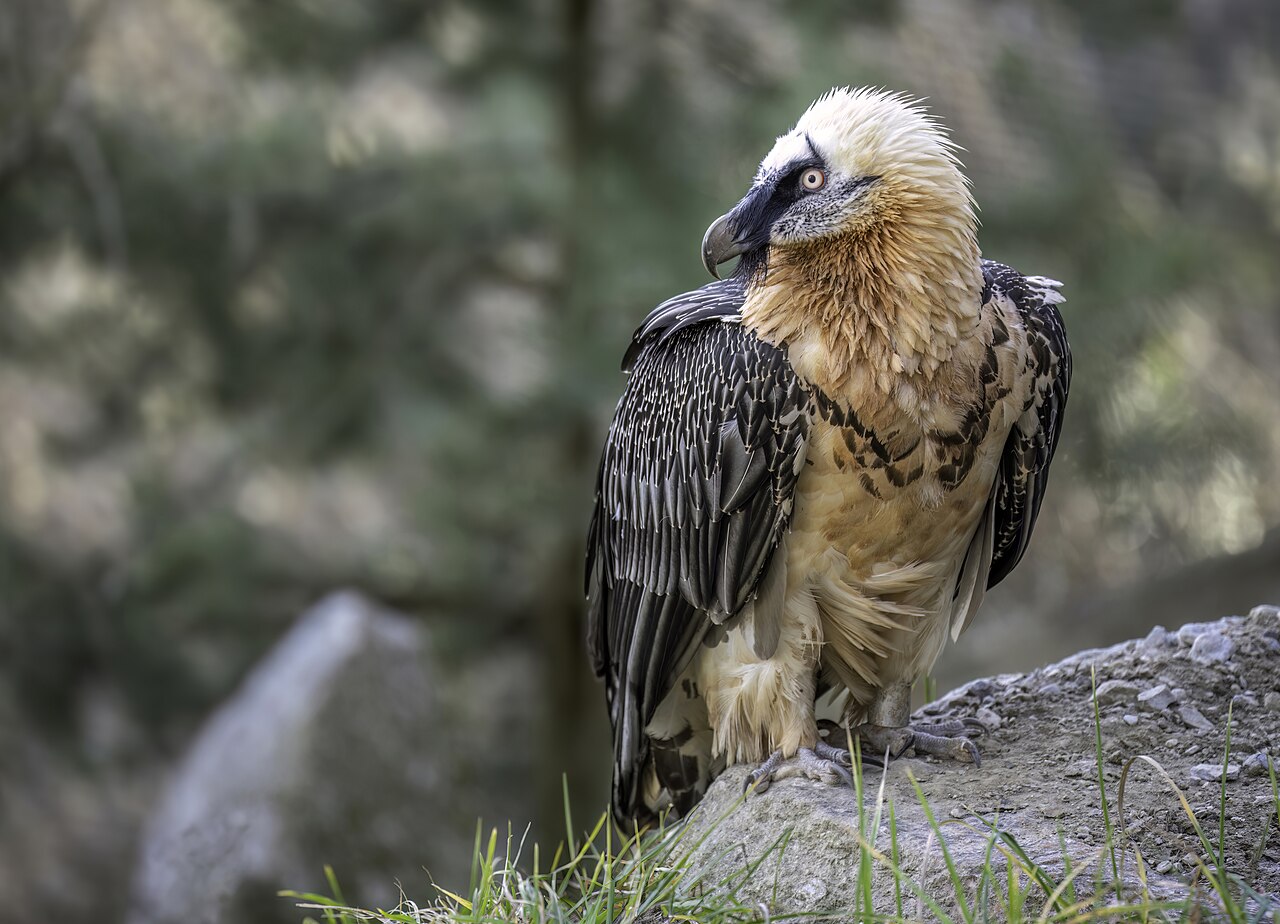
Europe’s highest zoo, on the sunny slope below the Hungerburg, devoted entirely to Alpine wildlife, from ibex and chamois to bears, wolves, lynx, bearded vultures and the fish of mountain lakes. Open every day of the year.
A lively evening of Tyrolean folk music, yodelling, dancing and thigh-slapping Schuhplattler, staged by the Gundolf family since 1967 in the Alpensaal near the old town, with an optional three-course Tyrolean dinner.
1.5-2.5 hours$$Get tickets → A beautifully preserved medieval salt and mint town ten minutes east of Innsbruck, with one of the largest old towns in western Austria, a guided walk through its squares and churches, and Hasegg Castle, the birthplace of the thaler and the dollar.
An hour-long immersive show in five rooms on Maria-Theresien-Straße, using virtual reality and 360-degree projection to take you to Tyrol’s highest peaks, onto the Bergisel jump, into Maximilian’s Innsbruck and across the Ahornboden.
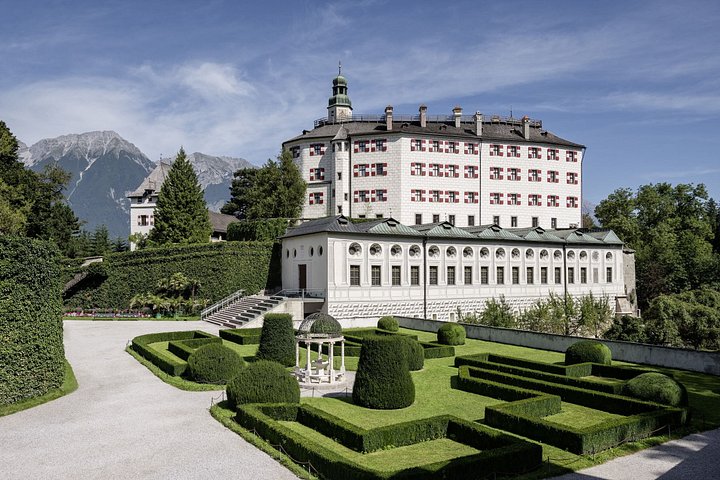
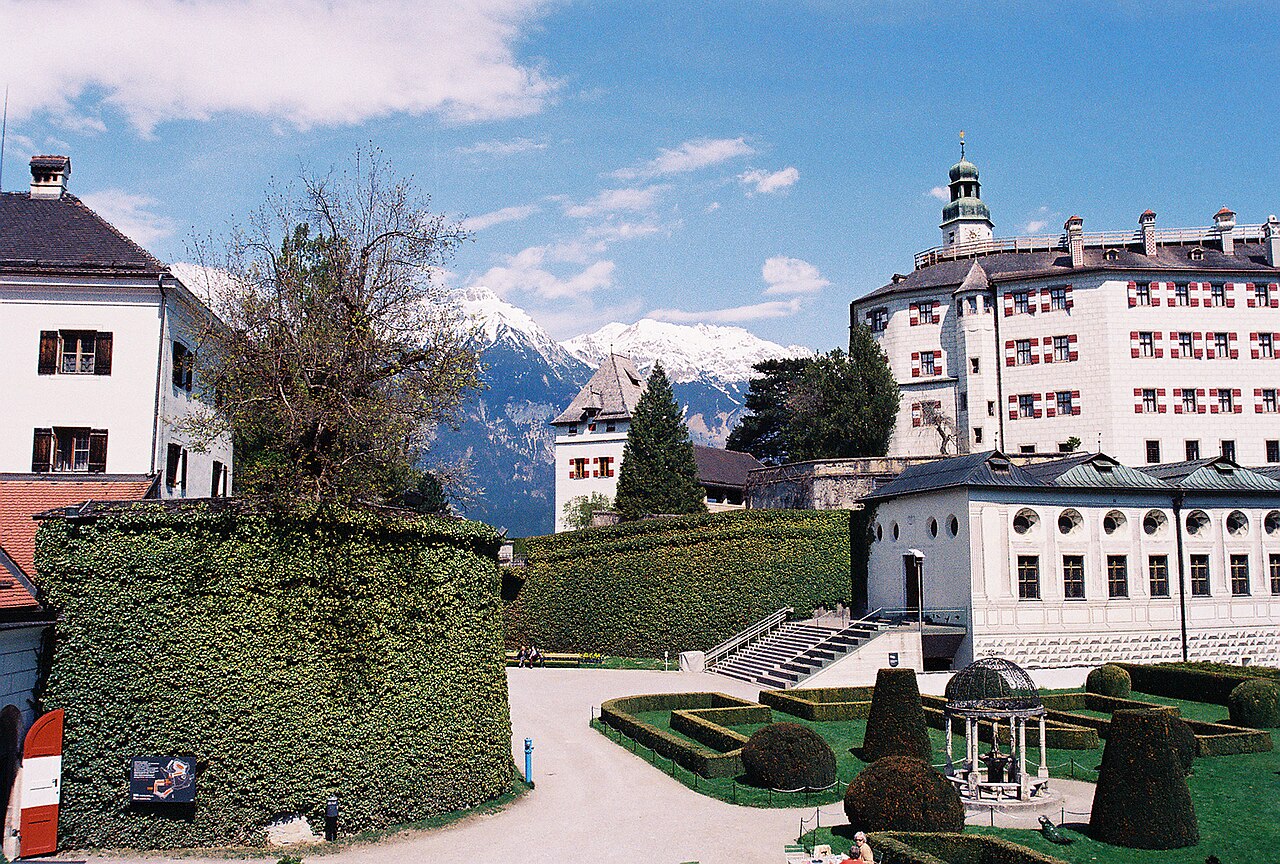
A Renaissance castle above the southeastern edge of the city, rebuilt by Archduke Ferdinand II as a home for his wife Philippine Welser and for one of the world’s earliest museum collections, with the Spanish Hall, a Habsburg portrait gallery and a landscaped park.
A museum beside the Bergisel ski jump built around an enormous 360-degree painting of the 1809 battle for Tyrol, with exhibitions on Tyrolean identity and a museum of the Imperial Infantry regiments.
1.5-2 hours$$Visit site →