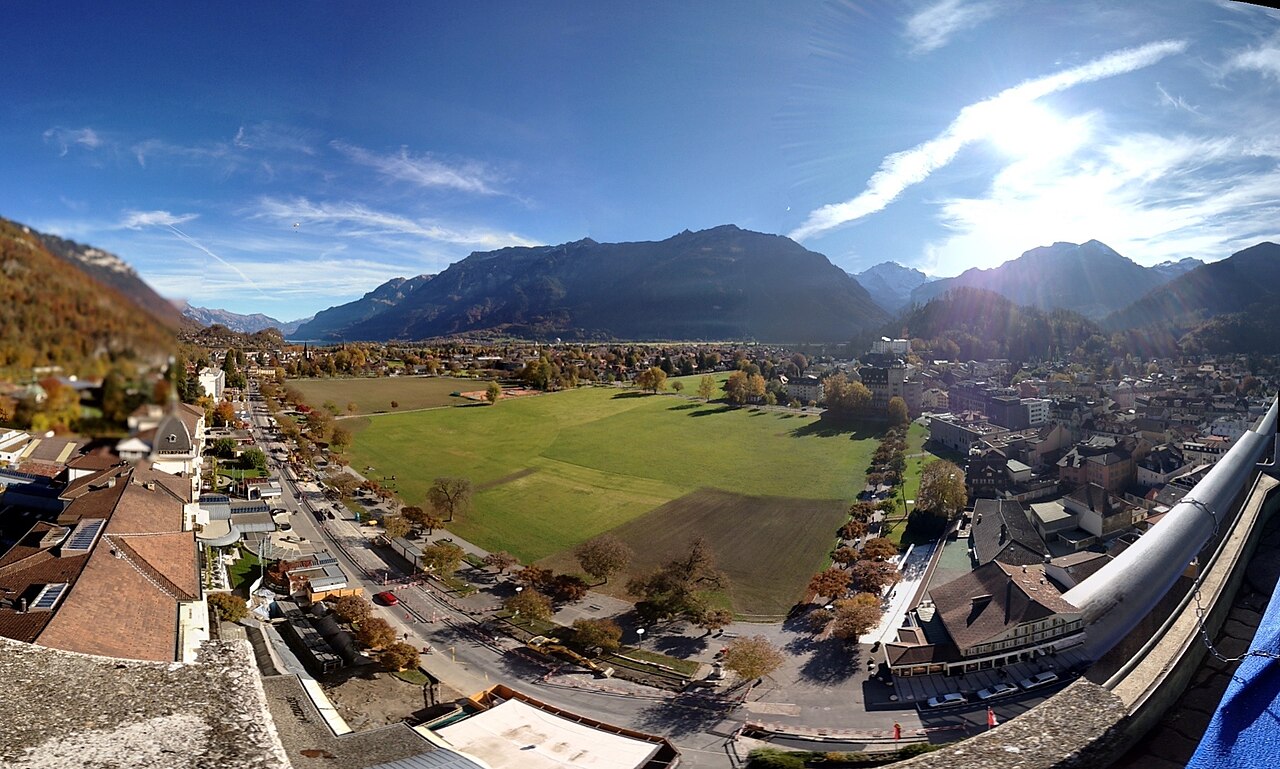
Interlaken sits on a strip of land between Lake Thun and Lake Brienz, and it is the gateway to the Jungfrau region, the group of valleys and peaks that includes Grindelwald, Lauterbrunnen, Wengen and Mürren. The town is a base rather than the main event, and a good first visit is a short list of well-chosen trips with the weather deciding the order. This guide covers what to book, how to move around, how long to stay and what is seasonal.
How many days
Three nights is a comfortable minimum, four lets you wait out a cloudy day. The high mountains are weather-dependent, so keep your two best days flexible. Spend one day on Jungfraujoch, one on the Schilthorn and Lauterbrunnen valley, and one on Grindelwald, Harder Kulm or the lakes. Add paragliding on whichever morning is clearest.
What to book ahead
Very little needs booking weeks ahead outside peak summer, but a few things deserve a plan. Jungfraujoch has a seat reservation for a few francs, mandatory in the summer season and recommended otherwise. Paragliding is best booked early in your stay so that you have spare days if weather cancels a flight. Hotels in the villages fill at weekends and holidays, so book those first. Tickets for the Schilthorn, Jungfraujoch, Harder Kulm and the boats can be bought online or at stations.
Getting around
The Swiss rail network is the key. Interlaken has two stations, West and Ost. From Ost, trains of the Bernese Oberland Railway run roughly every half hour to Grindelwald and to Lauterbrunnen, taking you to the lifts and the Jungfrau railway. Lake boats leave from West for Thun and from Ost for Brienz. Wengen and Mürren are car-free, so you walk or use cable cars. Rail passes can cover or discount many lifts, and the Jungfrau Travel Pass comes in summer and winter versions.
Where the headline sights fit
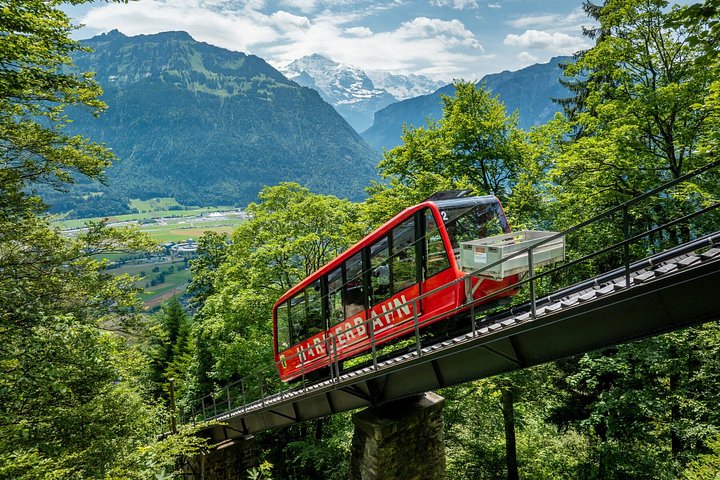
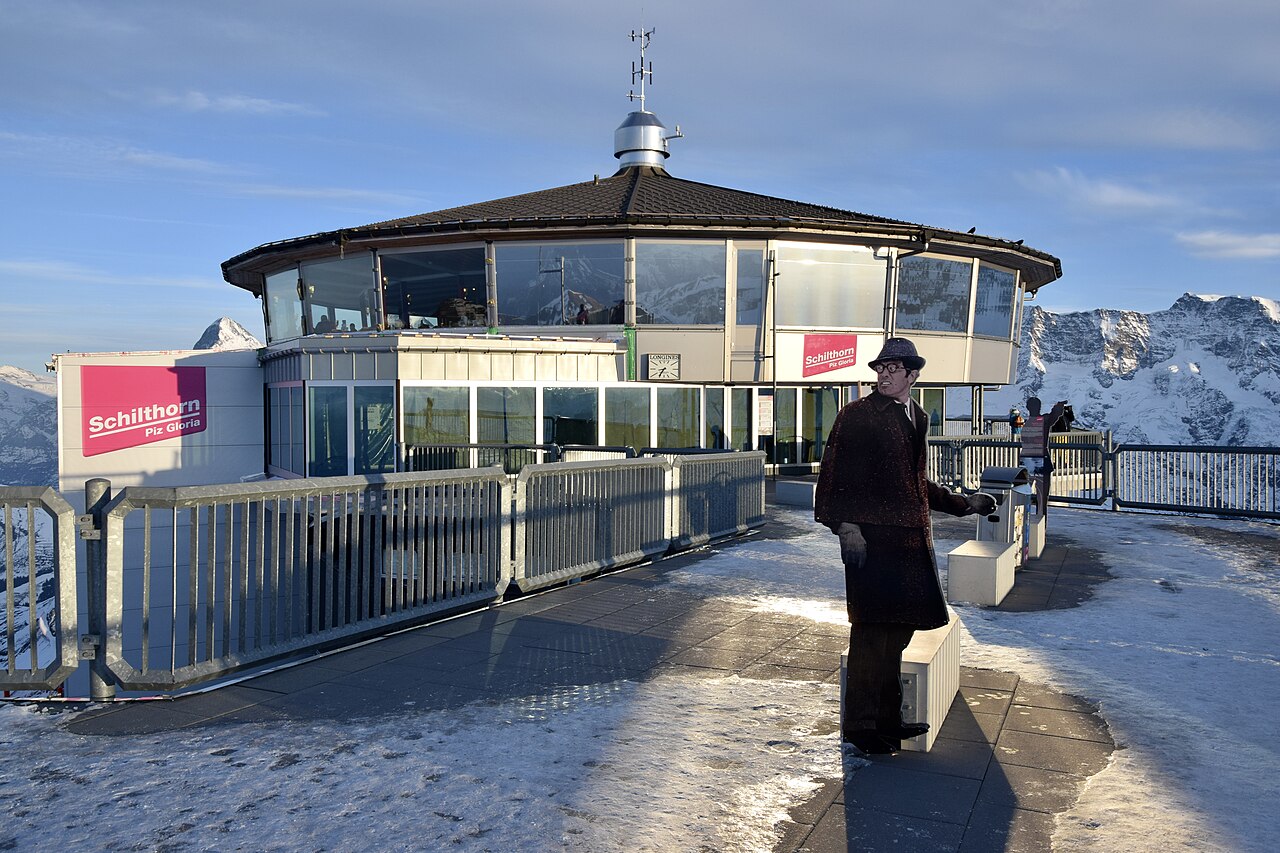
Jungfraujoch at 3,454 metres is the great day out, and the Eiger Express makes it much quicker. The Schilthorn above Mürren offers a Bond-film summit and a 360-degree view. Grindelwald First has the free Cliff Walk. Harder Kulm is Interlaken's own viewpoint. Lauterbrunnen is the waterfall valley, and the Höhematte and Unterseen Old Town fill a spare afternoon.
What is seasonal
Late autumn and spring are changeover periods, when several lifts close for a few weeks of maintenance. Jungfraujoch runs every day of the year and the Schilthorn almost every day, but check the operators' live status before you travel. Trümmelbach Falls open from spring to early November, the Ballenberg open-air museum closes for the winter, Lake Brienz boats sail mainly from spring to autumn and Lake Thun boats run reduced timetables in the cold months.
Weather and daylight
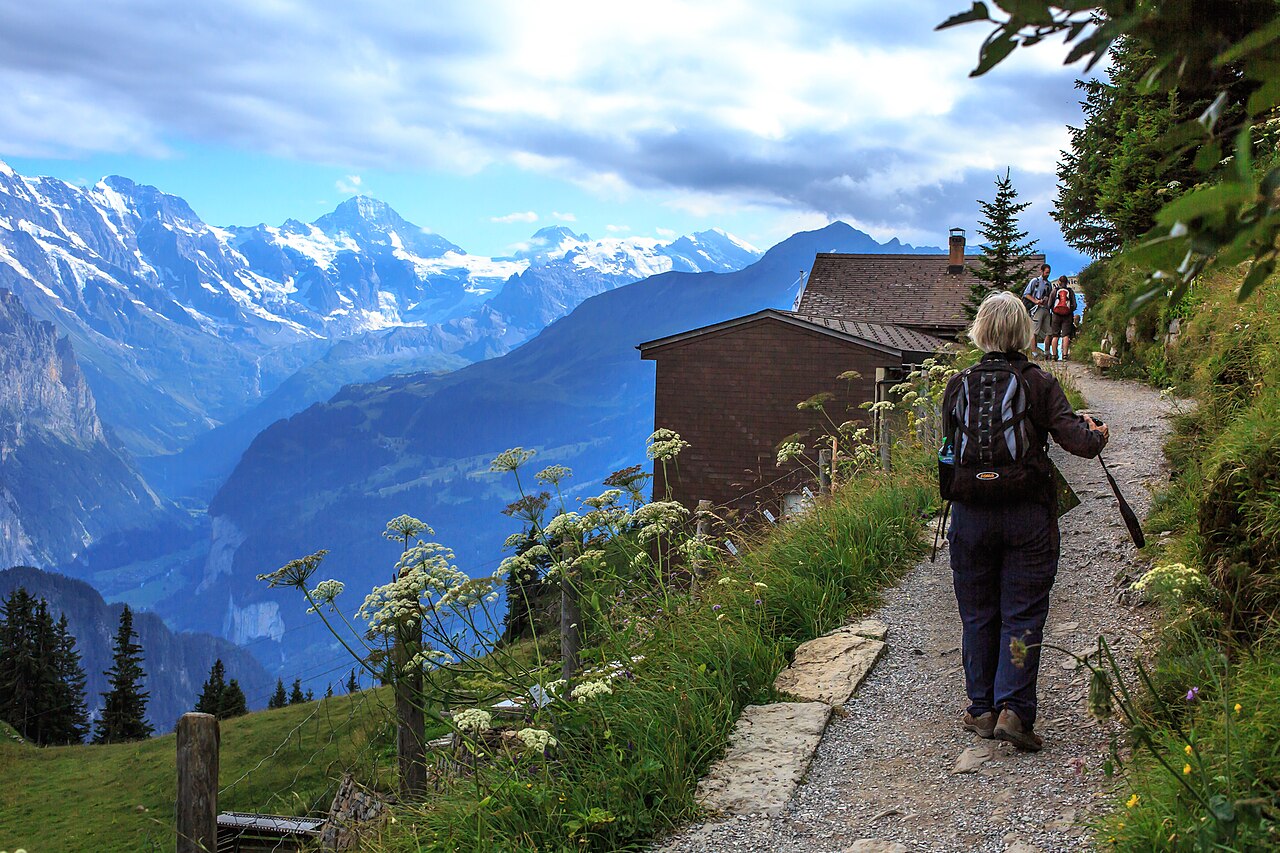
Days are short in late autumn and winter and valley fog is common, while the mountains are often in sunshine above it. Check the webcams each morning and be ready to swap days. Dress in layers, with a warm hat, gloves, sunglasses for snow glare and shoes with grip.
A simple plan
Day one: arrive, walk the Höhematte and Unterseen Old Town, and ride Harder Kulm for sunset. Day two: the Eiger Express and Jungfraujoch on the clearest morning. Day three: the Lauterbrunnen valley, Mürren and the Schilthorn. Day four, if you have it: a lake cruise or paragliding. For where to sleep, see our guide to where to stay.
Beyond the big mountains
Once you have seen the headline summits, the region has plenty for a slower day or a cloudy one. Ride the vintage cog railway to Schynige Platte for its alpine garden, walk through the Trümmelbach Falls inside the mountain near Lauterbrunnen, explore the St. Beatus Caves above Lake Thun or the narrow Aare Gorge near Meiringen, and spend a morning among old farmhouses at the Ballenberg open-air museum. Lake Brienz has the Giessbach Falls and the pretty village of Iseltwald, and a little further afield the Oeschinensee above Kandersteg is one of the most beautiful mountain lakes in Switzerland. Many of these are seasonal, so check opening dates before you plan around them.