Melbourne's reputation as Australia's food capital is well earned. The city's waves of migration, from Greek and Italian to Vietnamese, Chinese, Lebanese, Ethiopian and many more, have given it one of the most varied food scenes in the world, and its obsession with quality, from coffee beans to cheese, means that even a casual meal can be memorable. This guide focuses on how to eat well rather than on lists of restaurants, which change constantly; ask locals and check current reviews for the latest openings.
Coffee: the city's religion
Melbourne is arguably the most coffee-obsessed city on earth. Espresso arrived with Italian migrants after the Second World War, and over the decades a culture of independent cafes and specialty roasters took hold, so chain coffee shops have struggled to compete. The local standards are the flat white, espresso with finely textured milk and a thin layer of microfoam, and the long black, a double espresso poured over hot water. You will also find cappuccinos, lattes, piccolos (a small, strong milk coffee) and magic, a Melbourne favourite made with a double ristretto and textured milk. Specialty cafes offer single-origin espresso and filter brews, and baristas are happy to explain the beans. Coffee is a morning ritual here, so many small cafes close by mid-afternoon. Order at the counter, find a seat, and do not be surprised if your coffee arrives in a glass or a ceramic cup rather than a giant takeaway beaker.
Brunch is a serious meal
Melbourne turned breakfast into an art form, and weekend brunch is a cherished ritual. Expect creative menus built around eggs, sourdough, seasonal vegetables, smashed avocado and dishes influenced by every cuisine in the city, alongside excellent pastries. Popular cafes fill up from mid-morning on weekends, and many do not take bookings, so arrive early or be prepared to queue. The laneways of the CBD, Fitzroy, Collingwood, Brunswick and the bayside suburbs are all brunch hotspots.
Laneway dining and the CBD
The central city's laneways and side streets hide some of its best restaurants and bars. Flinders Lane is the best-known restaurant strip, with acclaimed dining rooms, wine bars and casual eateries side by side, and many of the city's most interesting venues are tucked into basements and up staircases off the main streets. Booking ahead for dinner is wise at popular places, especially on Friday and Saturday nights, though plenty of bars and casual spots take walk-ins. Small bars, a Melbourne specialty, are perfect for a pre-dinner drink or a nightcap.
Chinatown and global flavours
Melbourne's Chinatown, centred on Little Bourke Street, is one of the oldest continuous Chinese settlements in the Western world, dating back to the gold rush of the 1850s. Today it is a busy strip of dumpling houses, noodle bars, regional Chinese restaurants and late-night eateries, with Malaysian, Korean and Japanese options nearby. Further out, Victoria Street in Richmond is known for Vietnamese food, Lygon Street in Carlton for its Italian heritage, Sydney Road in Brunswick for Middle Eastern cooking, and Footscray in the west for Vietnamese and African flavours. A tram ride to one of these streets is one of the best and cheapest ways to explore the city.
Markets and produce
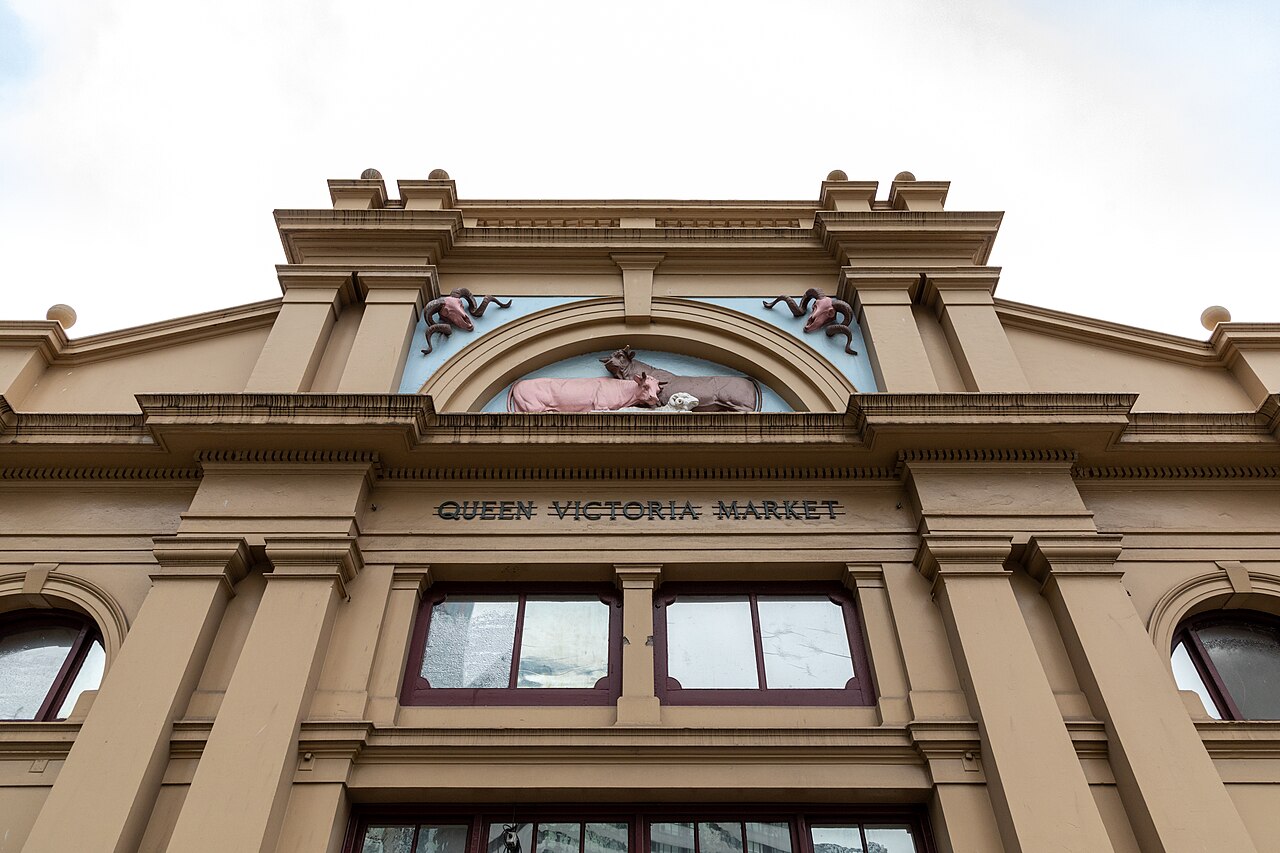
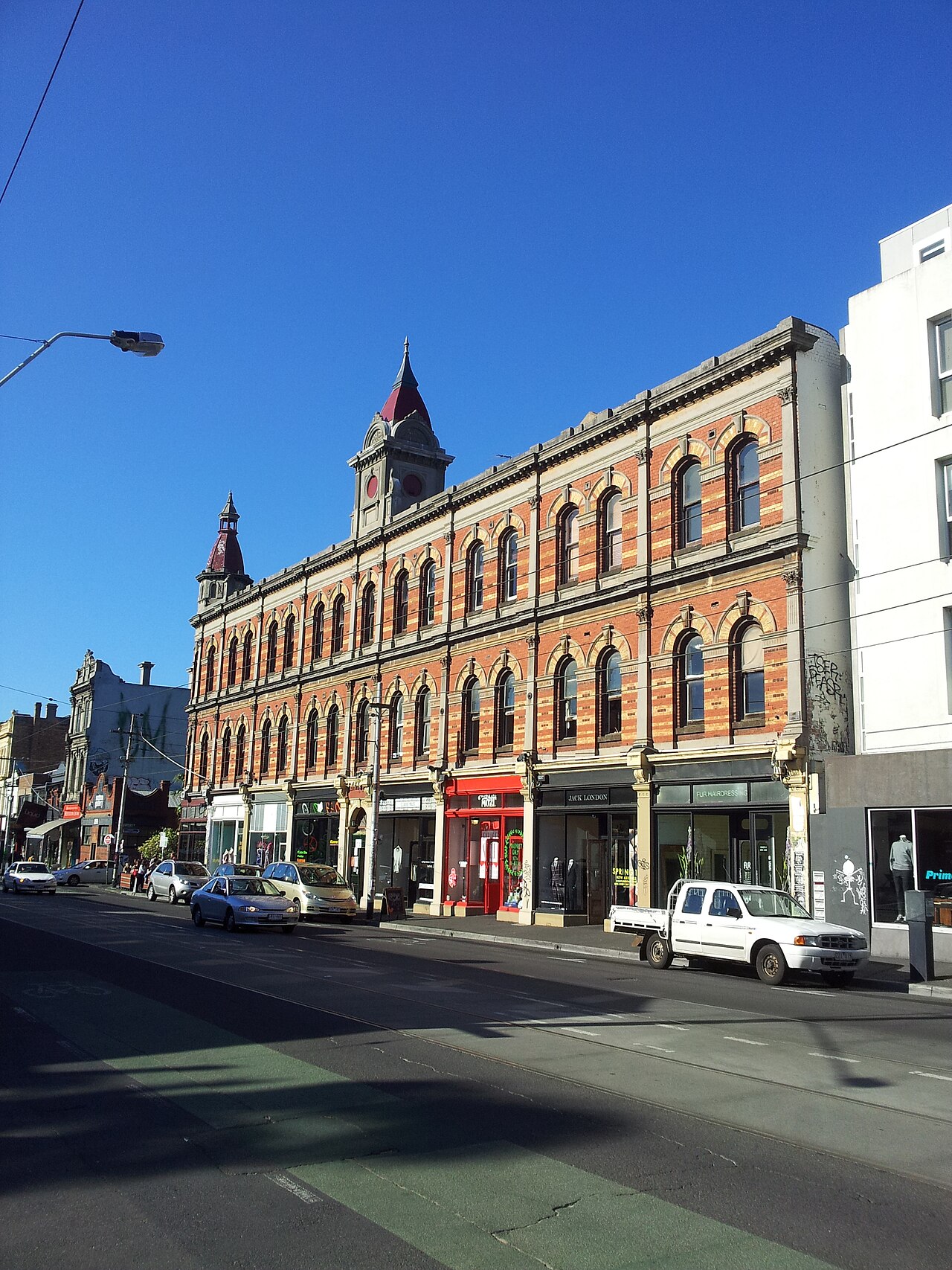
The Queen Victoria Market is the city's great food market, trading on Tuesday, Thursday, Friday, Saturday and Sunday, with a meat and fish hall, a deli hall of cheese and charcuterie, fresh produce and the famous hot jam doughnuts. In the warmer months its Wednesday night market adds street food and live music. The South Melbourne Market and the Prahran Market are smaller, very local alternatives. If you are staying in an apartment, market shopping is a pleasure; if not, graze your way through and build a picnic for the Botanic Gardens.
Wine and the regions
Victoria has dozens of wine regions, and several are within easy reach of the city. The Yarra Valley, about an hour north-east, is famous for chardonnay, pinot noir and sparkling wine, with cellar doors, restaurants, cheese makers and a chocolate factory. The Mornington Peninsula, south of the city, offers cool-climate wines with sea views. City wine bars pour plenty of local bottles, so ask the staff what is good from Victoria. A guided tour is the sensible way to visit wineries if you plan to taste.
Where to have a drink
Melbourne's bar scene is as varied as its food. Small bars, often in basements, laneways or upstairs rooms, are a city speciality, with careful wine lists and creative cocktails. Rooftop bars come into their own from spring to autumn, with views over the towers; several city hotels have their own. Old pubs serve local beers and run live music, especially in Fitzroy, Collingwood and St Kilda, and Victoria's craft breweries and gin distilleries are well represented on menus. Many bars are busiest late on Friday and Saturday, so arrive early for a seat, or go midweek for a calmer drink.
Rules and tips
Tipping is not expected, though leaving around ten per cent for good service at a sit-down restaurant is appreciated. Many venues add a surcharge on Sundays and public holidays, and some add a card fee. Tap water is free and good. Bring-your-own wine is still offered by some casual restaurants, usually with a small corkage charge. Dinner tends to start early, from about 6pm, and kitchens at smaller venues may close earlier than you expect, especially midweek. And, of course, a pie at the football is the classic stadium snack.
A perfect food day
Start with a flat white and pastry in Degraves Street, graze through the Queen Victoria Market for lunch, take an afternoon coffee at a specialty roaster in Fitzroy or Collingwood, and finish with dinner in a laneway restaurant on Flinders Lane, followed by a cocktail in a small bar up a hidden staircase. Add a day in the Yarra Valley for wine and cheese, and you will have tasted the best of Melbourne.