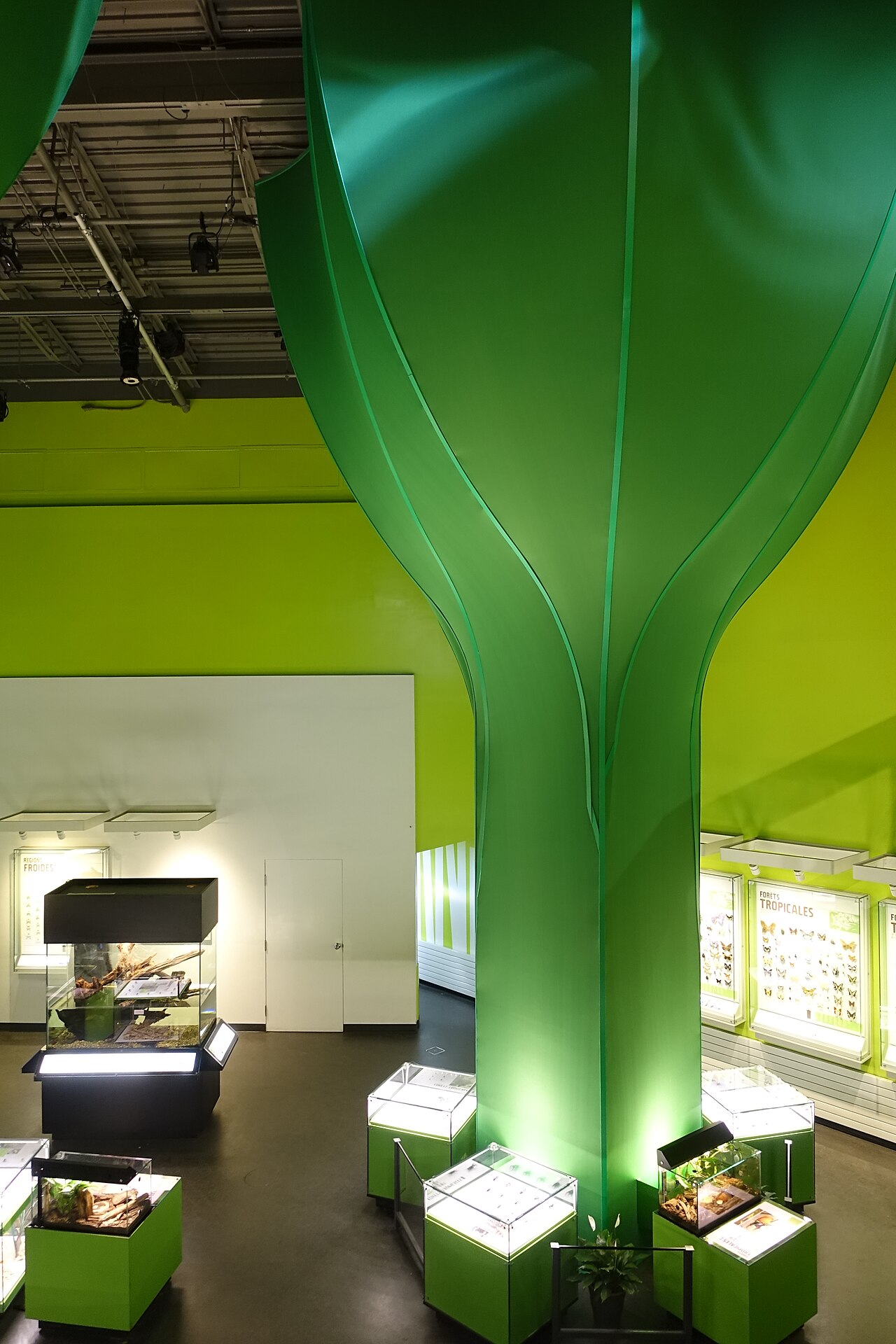
The Montreal Botanical Garden is the city's most beautiful day out and, by any measure, one of the major botanical gardens on the planet. It was founded in 1931 by the botanist Brother Marie-Victorin and stretches over a large site in the east end, opposite the Olympic Park, with roughly 22,000 plant species and cultivars, about thirty thematic gardens and ten exhibition greenhouses. The highlights are the cultural gardens: the Chinese Garden, with its pavilions, rockeries and Dream Lake; the Japanese Garden, with its pond, bonsai and contemplative pine grove; and the Indigenous Peoples Garden, which presents the relationship of the First Nations and Inuit with the plant world. Add the rose garden, the arboretum, the alpine and medicinal gardens and the ponds, and a summer visit can easily fill half a day. The Insectarium, on the same grounds, reopened in 2022 after a complete rebuild and is now one of the most original insect museums anywhere: an immersive, sensory route that takes you underground among living insects before emerging into a large planted vivarium where butterflies and other species fly freely. Both are part of Space for Life, the city's natural science museums, with the Biodome and the Planetarium across the street. Tickets are mid-priced, with reduced rates for children and combination tickets across the museums; booking a timed slot online is recommended in high season. The outdoor gardens are at their peak from late spring to early autumn, while in winter the greenhouses, warm and green under snow-covered roofs, and the Insectarium make an ideal escape from the cold. The autumn evening event Gardens of Light usually runs from early September to early November.
The founder's story still shapes the place. Brother Marie-Victorin, a member of the Brothers of the Christian Schools and the author of a landmark flora of Quebec, campaigned for a great garden for Montreal, and it was built in the 1930s, partly as a public works project during the Depression, with the art deco administration building that still stands at the entrance on Rue Sherbrooke.
The garden grew through the twentieth century, adding the Japanese Garden in the late 1980s, the Chinese Garden, designed with partners from Shanghai, in the early 1990s, and the Indigenous Peoples Garden, then called the First Nations Garden, in 2001. It is a research institution as well as a public park, closely linked to the plant biology institute on site.
How to plan a visit
In summer, start early with the Chinese and Japanese gardens before the sun is high, then walk the Indigenous Peoples Garden and the arboretum, and finish in the greenhouses and the Insectarium. In spring, look for the lilacs, crabapples and the first roses; in early autumn, the maples and the Gardens of Light evenings.
In winter, focus on the greenhouses, with tropical plants, orchids, cacti and ferns, and the Insectarium; a late-winter butterfly event in the main greenhouse has been a recurring favourite in past years, so check the calendar. The grounds are large, so wear comfortable shoes; a small seasonal train has served visitors in summer.
Getting there and combining
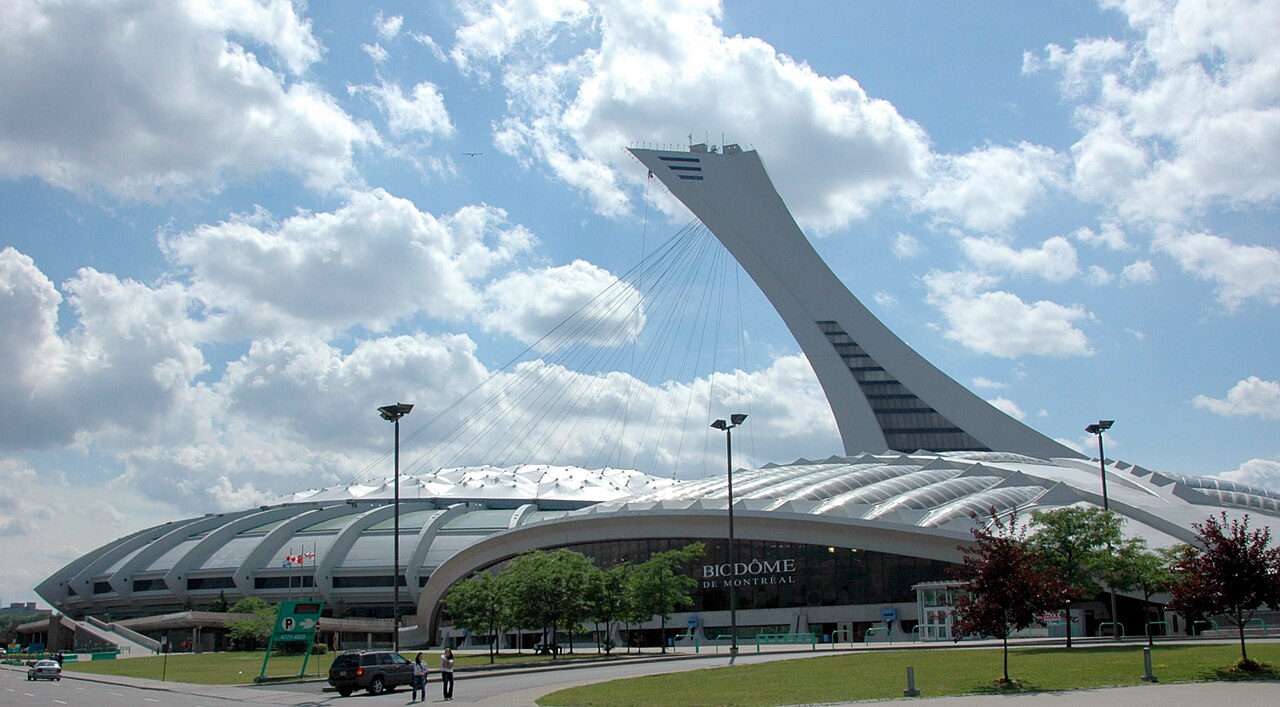
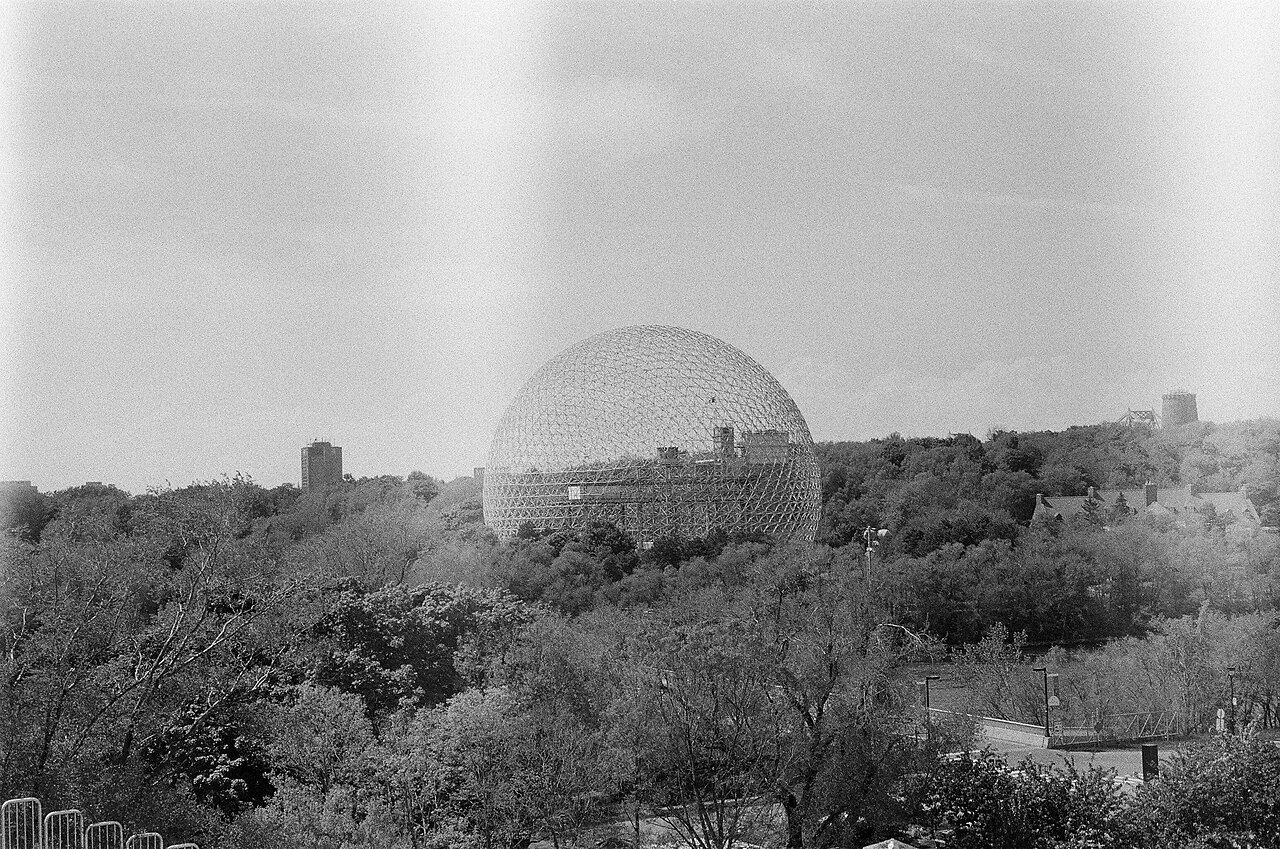
The main entrance is at 4101 Rue Sherbrooke Est, a short walk from the Pie-IX metro station on the green line; parking is available for a fee. The Olympic Park, with the Biodome and the Planetarium, is across the street, which makes a full Space for Life day easy: the Garden and Insectarium in the morning, the Biodome or a Planetarium show in the afternoon.
Note that the Montreal Tower at the Olympic Stadium has been closed for renovation, so check its status before you go. The Garden accepts the Montreal Museums Card and has a cafe, snack bar and picnic area, and it is partially accessible, with wheelchairs available.
What to expect
The experience
A large botanical garden with about thirty themed gardens and ten exhibition greenhouses, plus the rebuilt Insectarium on the same grounds, with living insects and a free-flight vivarium.
Best time
Late spring to early autumn for the outdoor gardens; early autumn for Gardens of Light evenings; winter for the greenhouses and Insectarium.
How long
Half a day in summer; two to three hours in winter.
Tips
Book a timed ticket online in high season. Start with the Chinese and Japanese gardens. Wear comfortable shoes. Combine with the Biodome or Planetarium across the street. Metro Pie-IX.
Quick picks
- Best for
- Garden lovers, photographers and anyone wanting a calm, green half-day.
- Families
- The Insectarium is a hit with kids, and the gardens give room to roam.
- Couples
- The Japanese and Chinese gardens on a summer morning, or the Gardens of Light in early autumn.
- Pair with
- The Biodome and Planetarium across the street in the Olympic Park.
- Time needed
- Half a day; a full day with a second Space for Life museum.
Good questions
Is the Insectarium included?+
The Insectarium is on the Botanical Garden grounds and the two have usually been sold together; check the ticket options when you book, as combination tickets with the Biodome and Planetarium are also available.
Is it worth visiting in winter?+
Yes, for the greenhouses and the Insectarium. The outdoor gardens are under snow, so plan two to three hours indoors rather than a long garden walk.
When is Gardens of Light?+
It is an autumn evening event with lit cultural gardens. It usually runs from early September to early November; check the current season's dates.
How do I get there?+
Take the green metro line to Pie-IX. The entrance is at 4101 Rue Sherbrooke Est, a short walk away. Paid parking is available.
Which gardens should I not miss?+
The Chinese Garden, the Japanese Garden and the Indigenous Peoples Garden, then the rose garden in season and the exhibition greenhouses.