Three days is enough to fall for Nice and to see the Riviera's headline sights, provided you plan around closing days and transport. This itinerary uses one base in Nice, with two days on the coast. Avoid putting the Cimiez museums on a Tuesday, and the Picasso Museum in Antibes on a Monday.
Day 1 — Nice: market, old town, hill and art
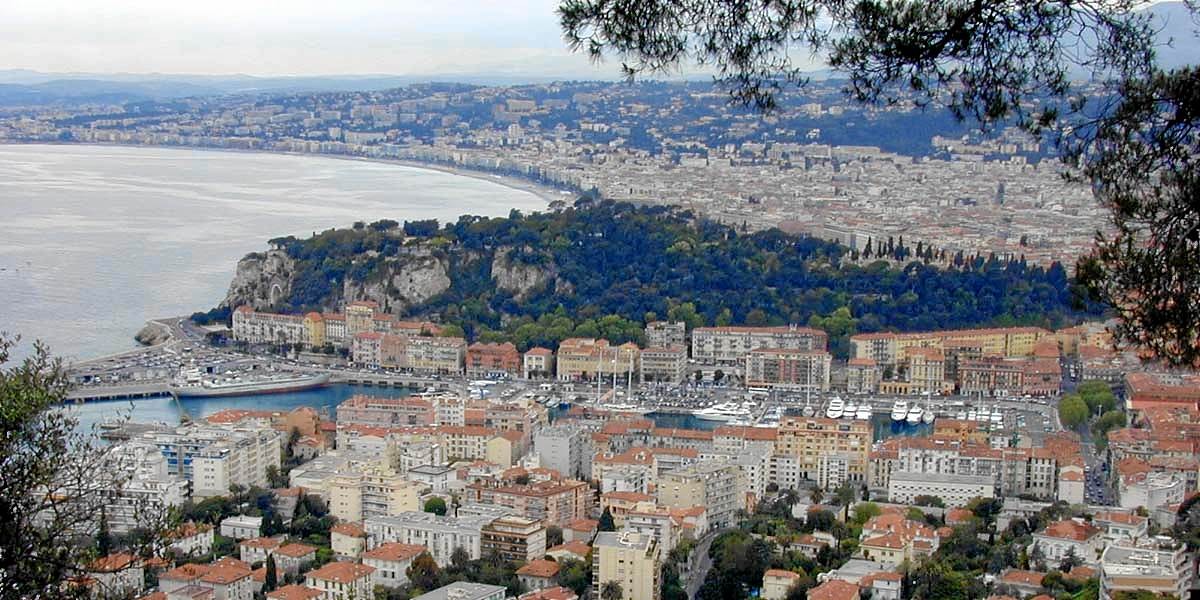
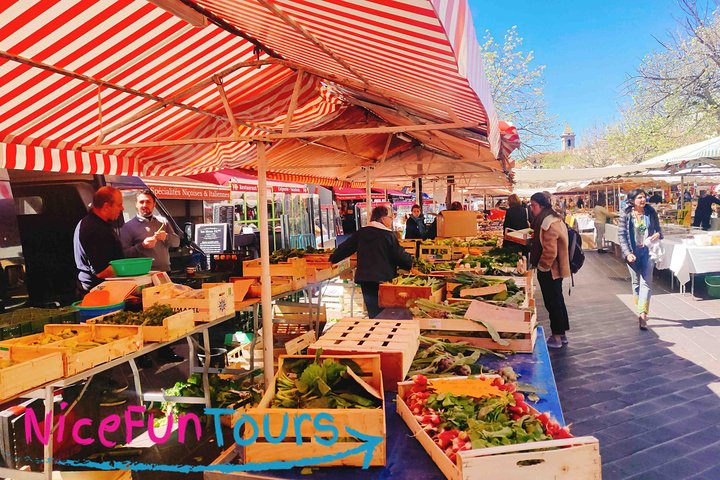
Start early at the Cours Saleya market, when the flower and produce stalls are at their fullest (Tuesday to Sunday; Monday brings the antiques market instead). Grab socca hot from the griddle and wander the lanes of Vieux Nice: Place Rossetti and the cathedral, the Baroque chapels, the confectioners and olive oil shops. Climb Castle Hill by the stairs or the lift for the view over the Baie des Anges, then come down for lunch in the old town or the port quarter.
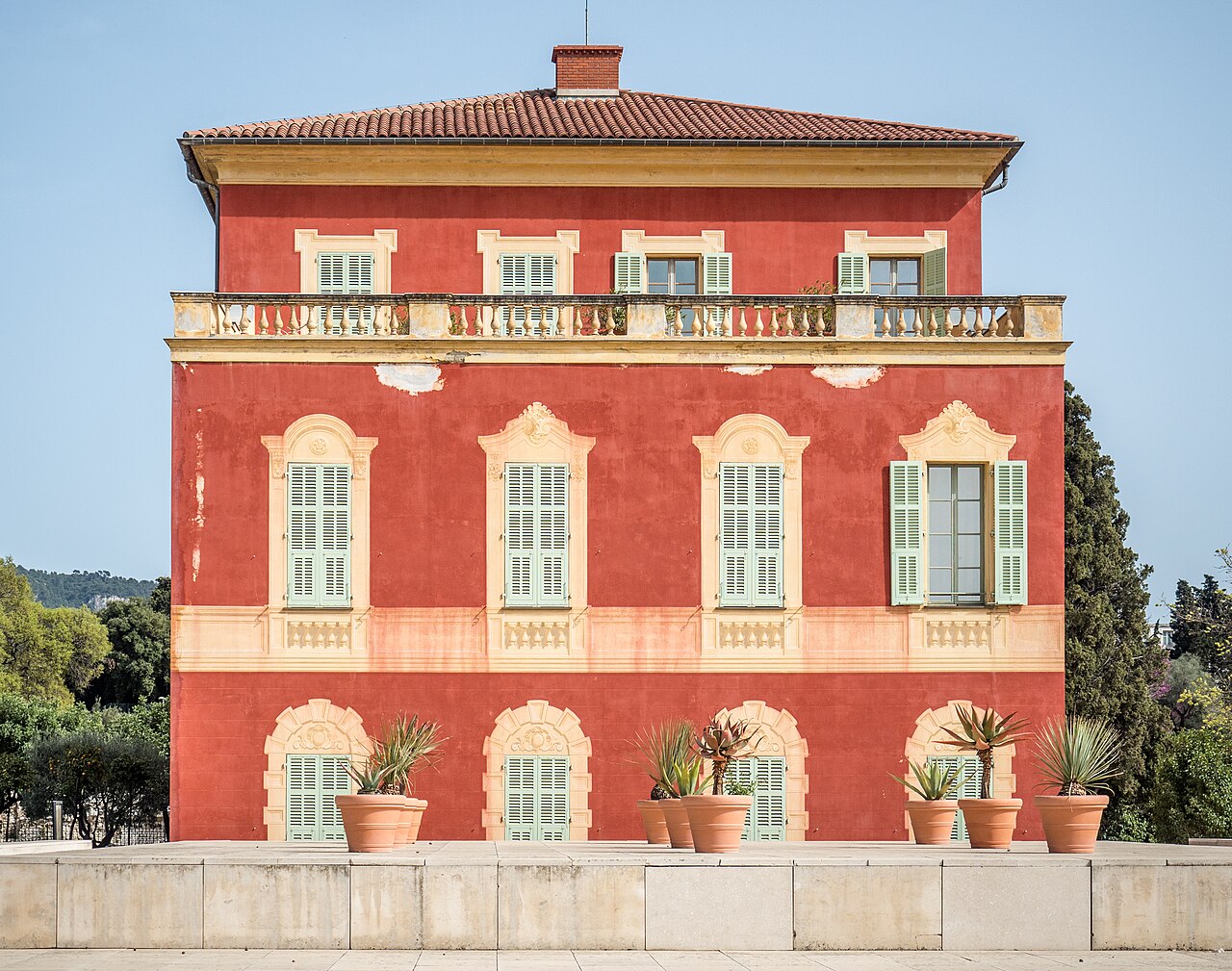
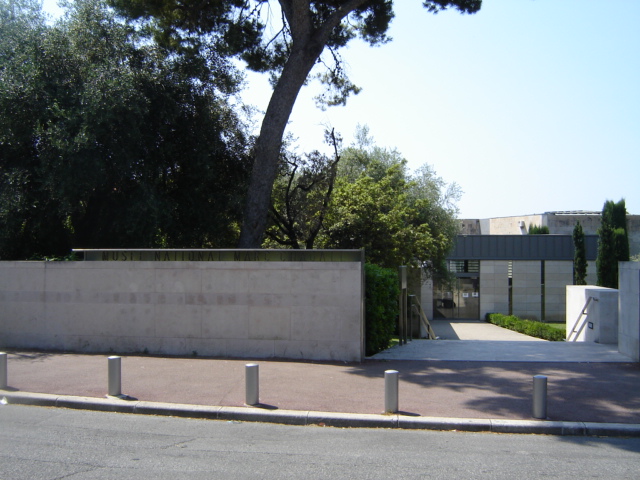
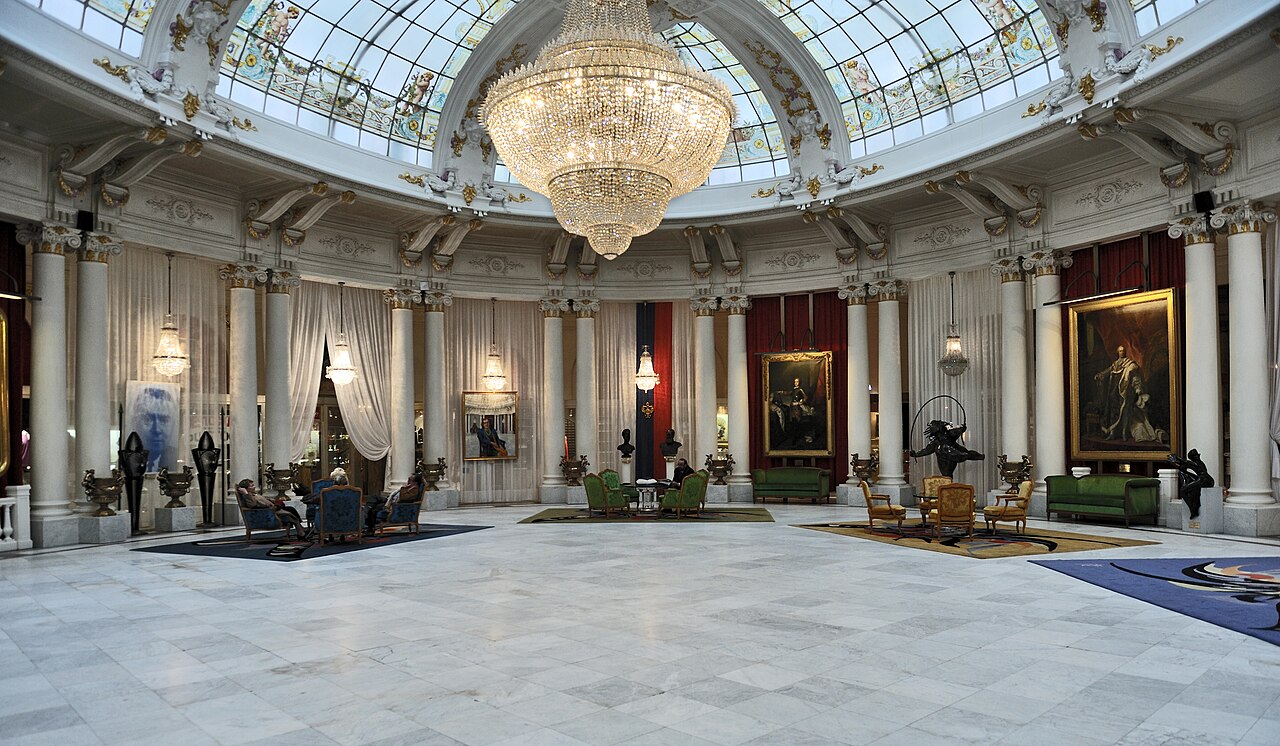
In the afternoon, take the bus up to Cimiez for the Musée Matisse in its red-ochre villa among the olive trees, then walk down the hill to the Musée National Marc Chagall for the Biblical Message (check the winter lunch break and plan accordingly; both museums are closed on Tuesdays). Return to the seafront for the classic sunset walk along the Promenade des Anglais from the Negresco toward the old town, and finish with dinner in the old town or an apéritif on a hidden square.
Day 2 — Monaco, Eze and Cap Ferrat
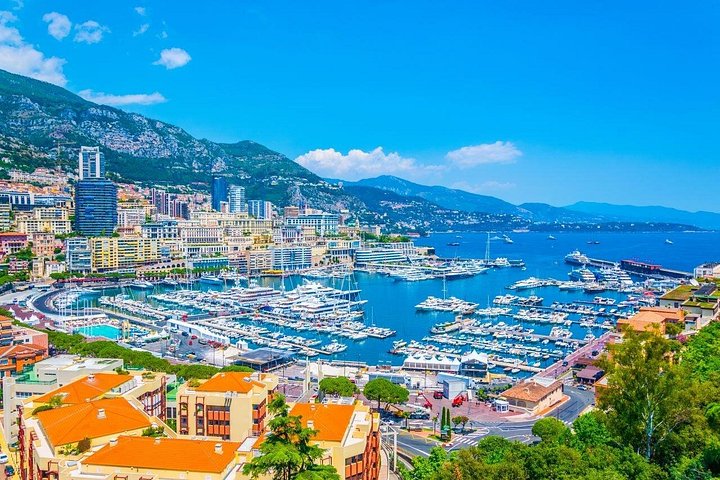
Take an early train east to Monaco-Monte-Carlo, about twenty to twenty-five minutes. Walk or bus up to the Rock for the Oceanographic Museum at opening, then stroll through Monaco-Ville to the cathedral, where Princess Grace is buried, and be in front of the Prince's Palace by 11:40 for the Changing of the Guard at 11:55. (The palace interiors open only from spring to mid-October.) Lunch in the old town, then walk down to Port Hercule and up to Monte-Carlo for the Casino square; the casino's interiors are open to visitors in the morning only, so if that matters, swap the order.
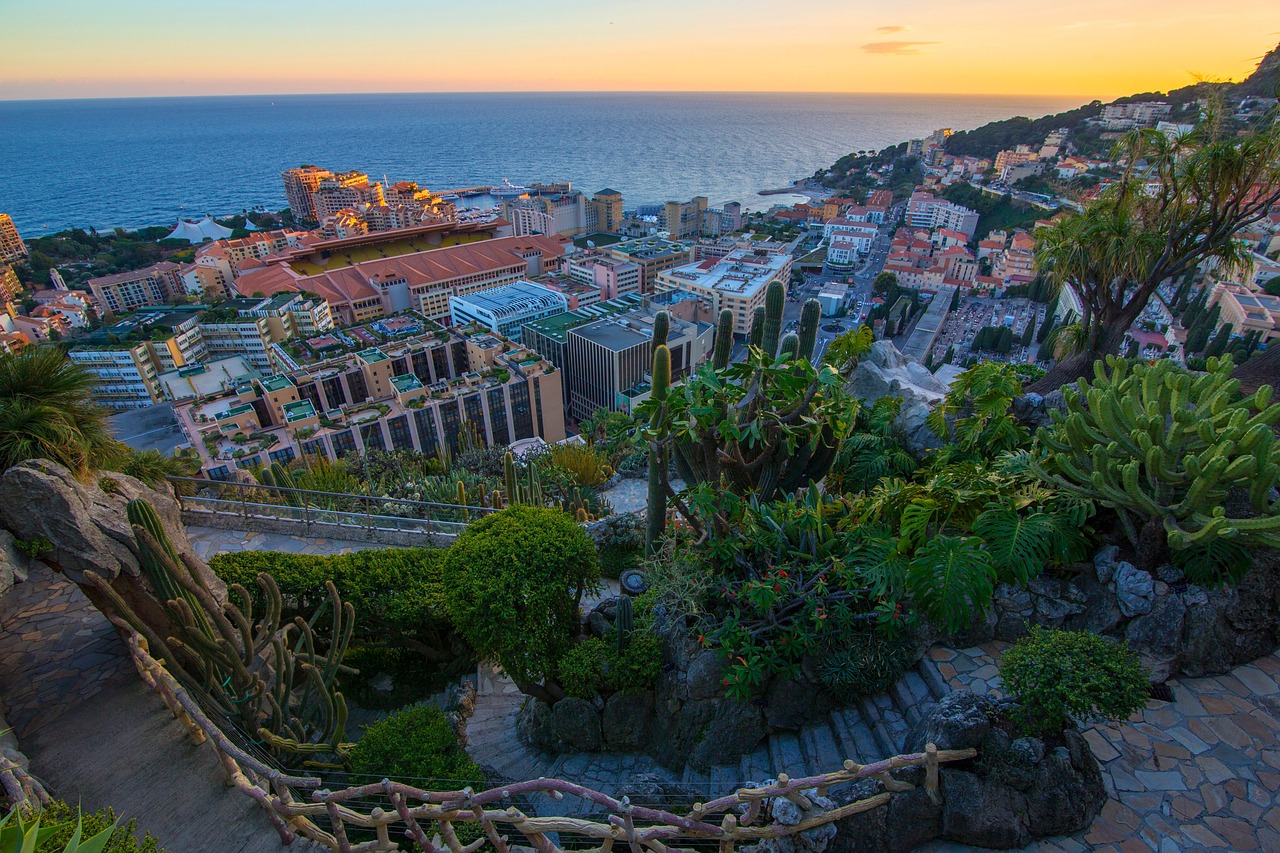
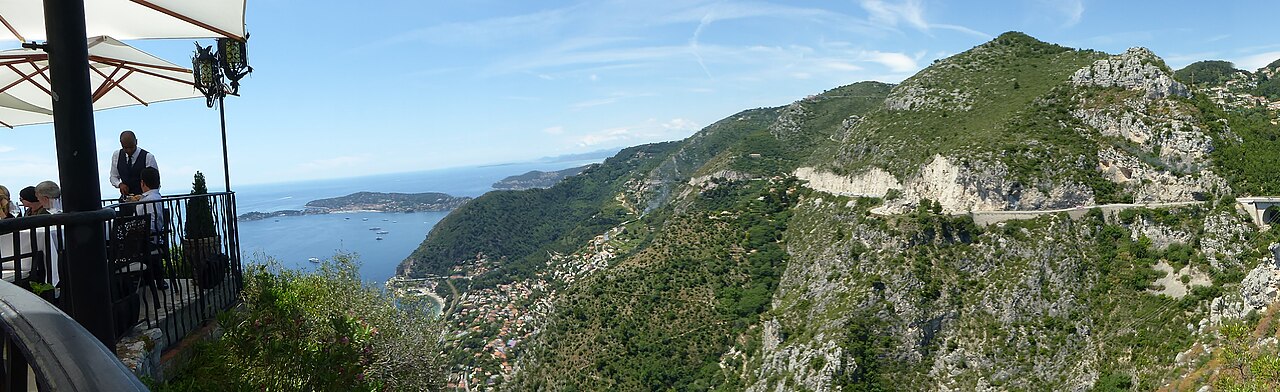
In the afternoon, take the bus up to Eze village, wander the lanes and climb to the Exotic Garden for the view (it closes mid-afternoon in winter), then either walk down the Nietzsche Path to Eze-sur-Mer station or bus back to Nice. Alternatively, replace Eze with the Villa Ephrussi de Rothschild on Cap Ferrat — in winter weekdays it opens only in the afternoon, which fits this slot perfectly. If you prefer to leave the logistics to someone else, small-group Monaco and Eze tours from Nice cover the same ground in a morning or afternoon.
Day 3 — Antibes and Cannes, or Saint-Paul-de-Vence
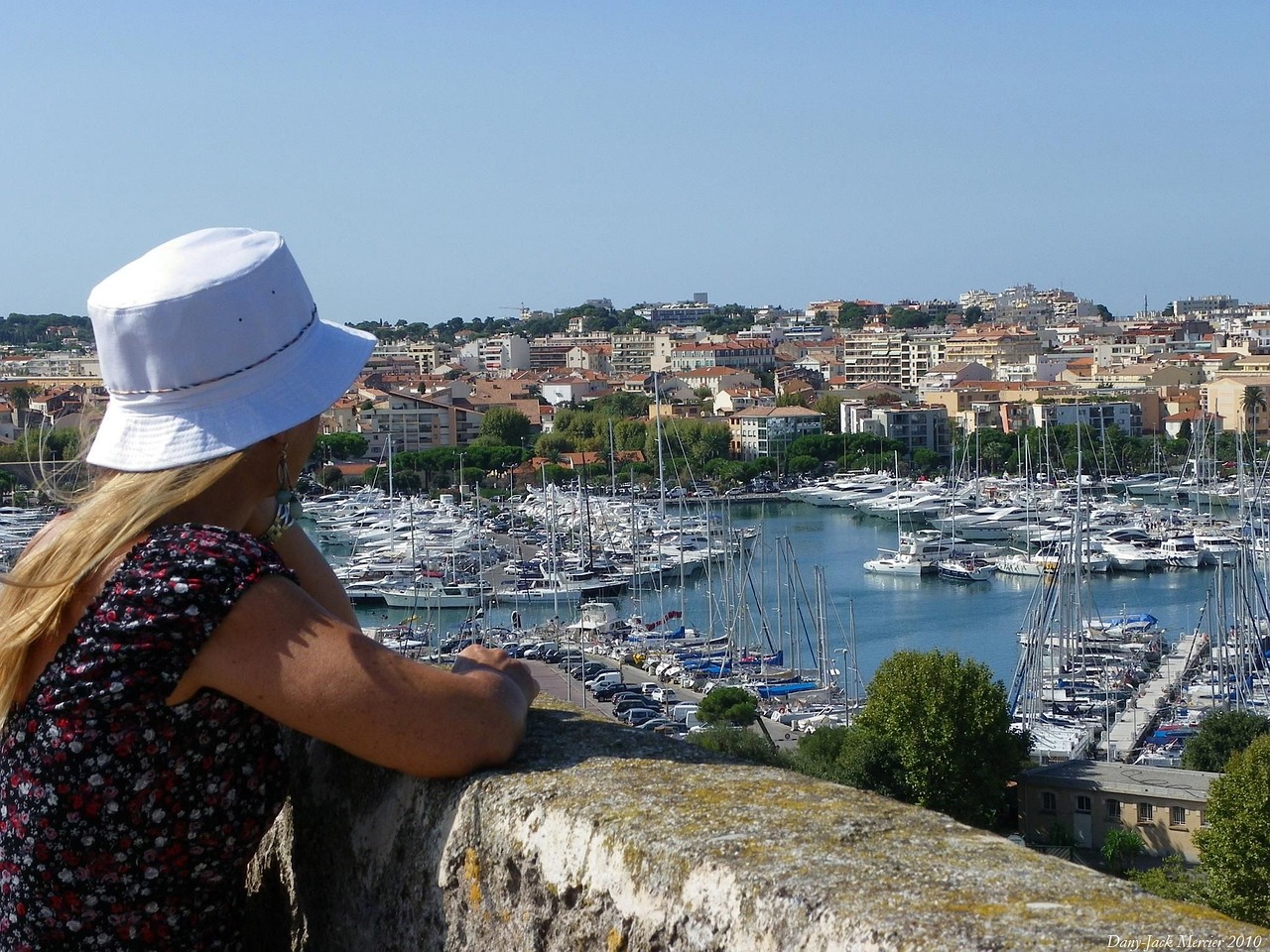
Take the train west to Antibes, twenty to thirty minutes. Visit the Provençal market on Cours Masséna in the morning, then the Musée Picasso in the Château Grimaldi on the ramparts (closed Mondays; free entry weeks each November and February). Walk the ramparts to Port Vauban for the superyachts and the Fort Carré. After lunch, continue by train to Cannes, ten to fifteen minutes, for the old quarter of Le Suquet and its tower view, the Palais des Festivals steps and a sunset walk along the Croisette. Take the train back to Nice in the evening. A guided Cannes and Antibes afternoon tour from Nice is an easy alternative.
Art lovers might prefer to swap Cannes for Saint-Paul-de-Vence: take the bus from Nice to the walled village, visit Chagall's grave and the galleries, and spend the afternoon at the Fondation Maeght with its Giacometti courtyard and Miró labyrinth (it can be partly closed between exhibitions, so check ahead).
With a fourth day
Add Menton, the sunny, Italian-flavoured town on the border, with its old town, Cocteau sites and gardens, and, in February, the Lemon Festival. Or spend a slow day in Nice: the port quarter, the Musée Masséna, a beach club lunch in season and a long dinner.
Regional buses are the backup. Wear good shoes: Eze, Castle Hill and Le Suquet are all steep. In winter, start early because light and opening hours are shorter. In summer, do the outdoor climbs early and save museums for the heat of the day.
Where to stay for this plan
A base near the Promenade or Place Masséna keeps you close to the trams and a short walk from Nice-Ville station. The Negresco suits a special trip, the Hôtel Windsor is the best character choice at a mid-range price, and the Villa Saint Exupéry Beach hostel works for budget travellers. For a romantic finale, add a night at Château Eza (in season) or the Hôtel de Paris in Monte-Carlo.