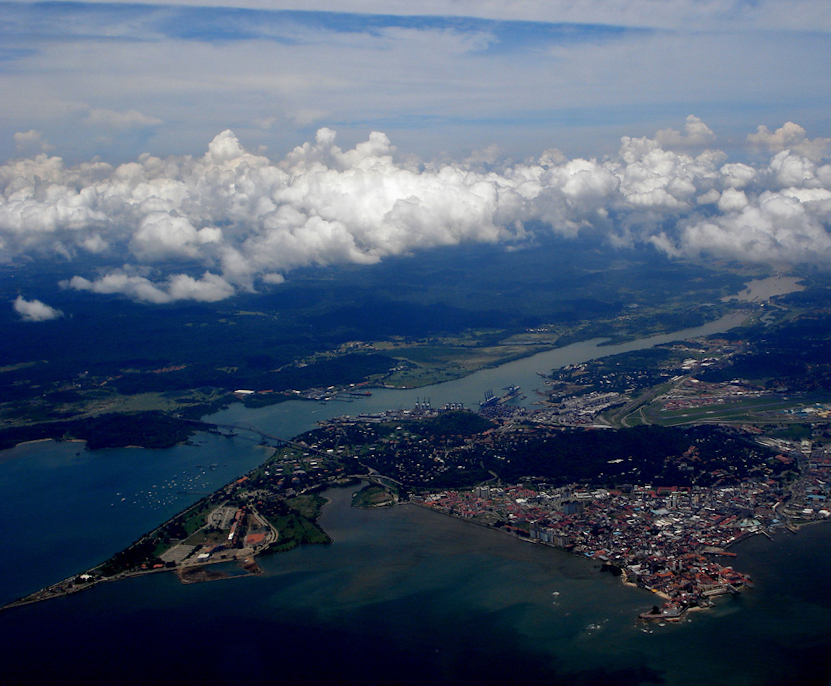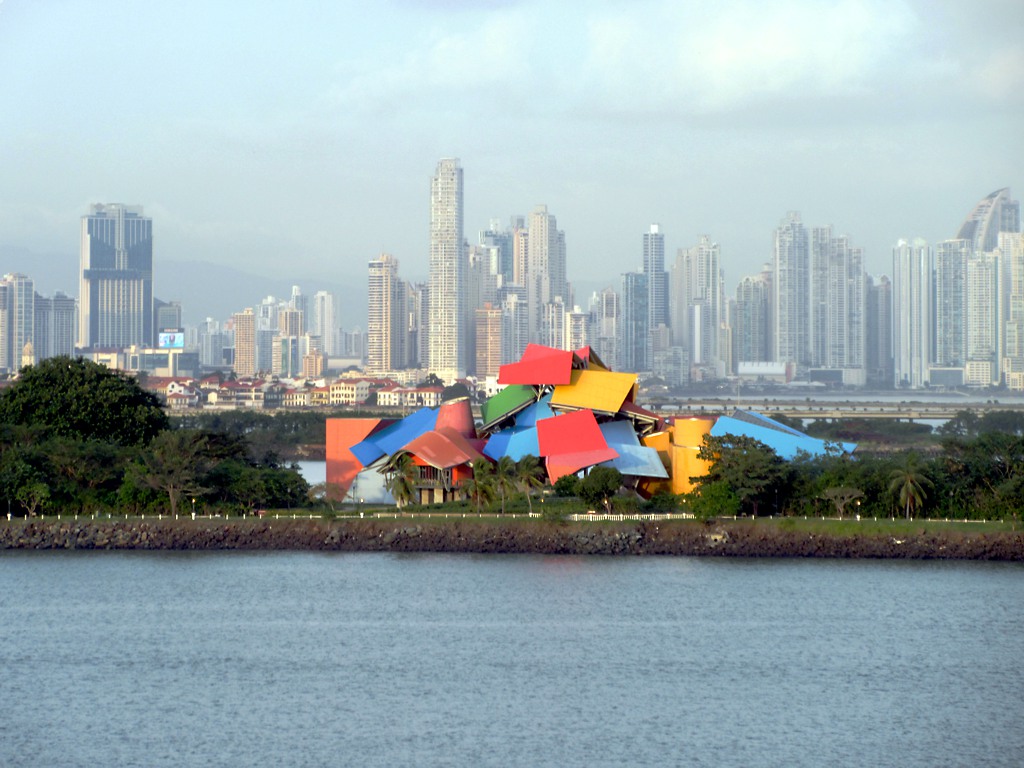
The Biomuseo is the only building by Frank Gehry in Latin America, a cluster of tilted, brightly painted metal roofs that looks like a sculpture beside the bay. Inside, designer Bruce Mau created galleries that explain why Panama's biodiversity is so rich: when the isthmus rose from the sea around three million years ago, it joined North and South America and let species cross while splitting the oceans. Exhibits use film, immersive installations and sound, and the exhibitions cover permanent, temporary and outdoor displays. The venue's site lists opening Tuesday to Sunday, with shorter hours than many museums, and a ticket price that differs for residents and non-residents. Children especially enjoy the multi-screen Panamarama theatre and interactive elements, and the building is worth seeing even from outside. It sits on the Amador Causeway with views of the skyline, the Bridge of the Americas and ships waiting for the canal.
Treat the Biomuseo as both architecture and education. Gehry's design, with its colourful roofs and angled walls, was intended to evoke the tropical landscape and its birds, and from the causeway it stands out sharply against the sea. The museum opened in 2014, after years of planning, to tell the story of Panama as a land bridge between continents. Galleries look at the formation of the isthmus, the species that crossed it, and the interplay between humans and nature, ending with a call to protect the environment.
Practical advice
Check ahead for the current schedule, because opening hours are limited and can change around the year-end holidays. Ticket types include discounted prices for residents, children, students and seniors, and children under five enter free according to the site, but verify on the day. A visit takes around two hours, longer if you add the outdoor spaces. The causeway outside is ideal for cycling, so many visitors combine the museum with bike hire, a stroll along the Amador Causeway and a drink with a skyline view.
Combining it
Pair the Biomuseo with Miraflores in a single day, because the two are on the same side of the city, and add a late lunch or sunset on the causeway. If it is raining, the museum is a great option, with plenty of indoor space and a cafe. It is accessible by taxi or ride-hailing, and the causeway has parking. For families, a morning visit is better, before the afternoon heat and crowds, and the museum closes mid-afternoon, so go early.
What to expect
The experience
A self-guided visit to the permanent, temporary and outdoor exhibitions in Frank Gehry's colourful building on the Amador Causeway.
Best time
Morning, as the museum closes mid-afternoon and the heat builds later.
How long
About two hours, more if you add the outdoor areas.
Tips
Check the hours before you go, especially around the year-end holidays, and combine with a walk or bike ride on the causeway.
Quick picks
- Best for
- Families, architecture fans and anyone who wants an easy indoor stop.
- Families
- Very good, with immersive exhibits and a lively theatre experience.
- Couples
- A photogenic visit followed by a causeway sunset drink.
- Pair with
- Miraflores Locks and a stroll on the Amador Causeway.
- Time needed
- A morning or early afternoon.
Good questions
When is the Biomuseo open?+
The venue's site gives Tuesday to Friday from 9am to 3pm and Saturday and Sunday from 10am to 3pm. Check it before you go, especially around the year-end holidays.
How much does it cost?+
Prices differ for residents and non-residents and by age. Non-resident adults pay about twenty US dollars at the box office, per the venue's site.
Who designed the building?+
Frank Gehry, in his only Latin American building. The exhibitions were designed by Bruce Mau.
Is it good for children?+
Yes, the interactive and audiovisual exhibits suit all ages. Children under five are listed as free.
How do I get there?+
By taxi or ride-hailing car along the Amador Causeway, about fifteen to twenty minutes from the centre depending on traffic.