Phoenix has two seasons that matter to visitors: the glorious one and the hot one. From roughly November through April the Valley enjoys sunny days, cool nights and the kind of weather that draws winter visitors from across North America. From about May to September, temperatures routinely exceed 100 degrees and outdoor activity shrinks to early mornings. Timing your visit well — and knowing the major events — makes all the difference.
November — the season opens
This is one of the best months of the year: warm days, comfortable evenings, smaller crowds than winter's peak and prices that have not yet hit their highest. Canal Convergence, Scottsdale's free ten-night festival of light art, performance and workshops along the Scottsdale Waterfront, runs for ten nights in early to mid-November, with a new theme each year. Hiking season begins in earnest, and heat closures on the city's summit trails are a thing of the past until spring. Late November brings the start of Las Noches de las Luminarias at the Desert Botanical Garden; book tickets well in advance. Note that heavy autumn storms occasionally close sites such as Taliesin West for a day.
December and January — festive and mild
Days are pleasantly warm and nights cool, occasionally near freezing in the outer desert. Luminaria nights at the garden continue on selected dates through the first days of January, and the Valley's resorts and neighborhoods dress up for the holidays. Sunrise balloon flights are at their most comfortable, and sunset flights are offered too. Taliesin West's Behind-the-Scenes tour runs on weekday mornings until late January, and its weekend sunset hikes run until late December. Canyon Lake is sometimes drained for dam inspections, which pauses the Dolly Steamboat cruises, so check its status before you go.
February — the peak of peak season
The WM Phoenix Open at TPC Scottsdale, among the best-attended events in golf, runs for a week in early to mid-February, with free admission on the Monday and Tuesday practice days and its famously raucous stadium hole drawing huge crowds. Spring training games begin in late February, when fifteen Major League Baseball teams play Cactus League games across the Valley's ballparks; tickets are inexpensive and the atmosphere is relaxed and family-friendly. Hotels across Scottsdale and Phoenix are at their most expensive and fully booked; reserve months ahead.
March — blooms, baseball and Native art
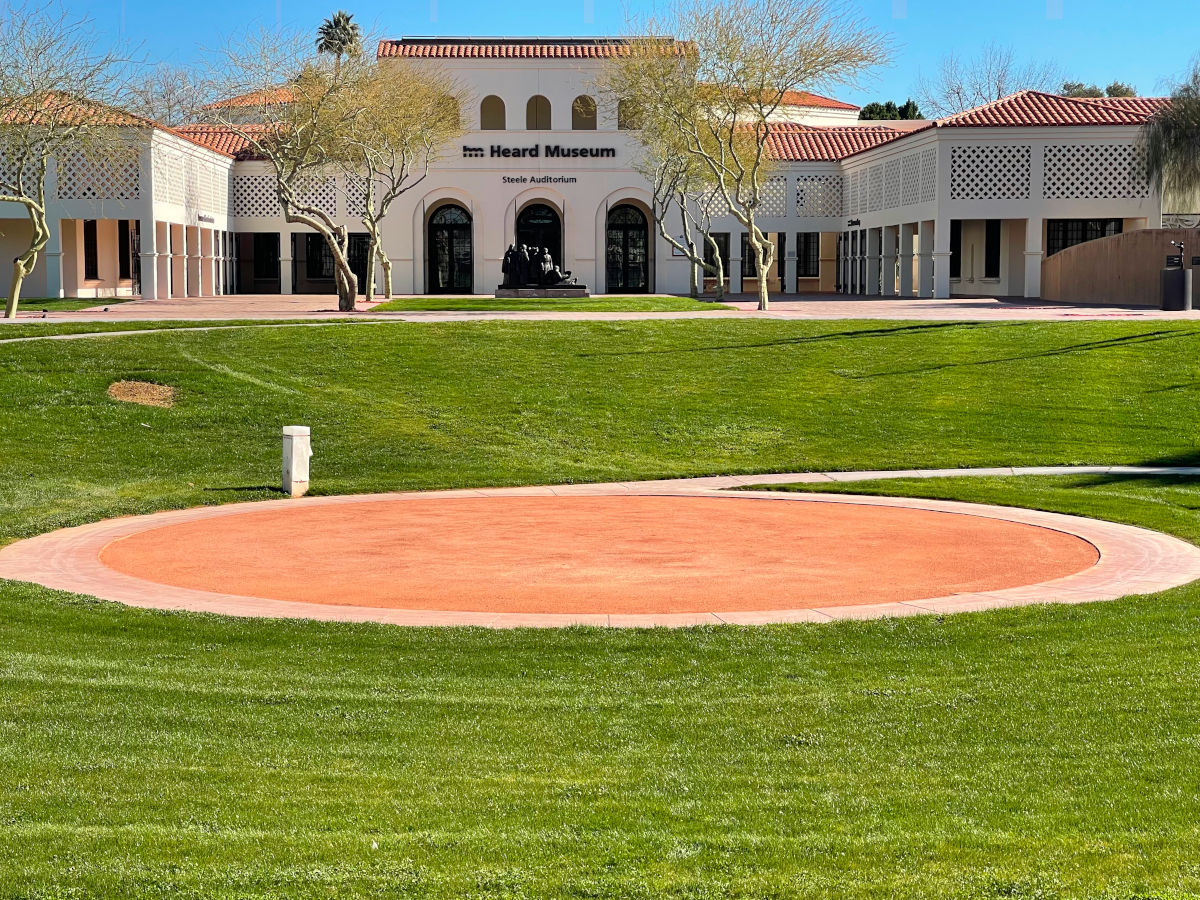
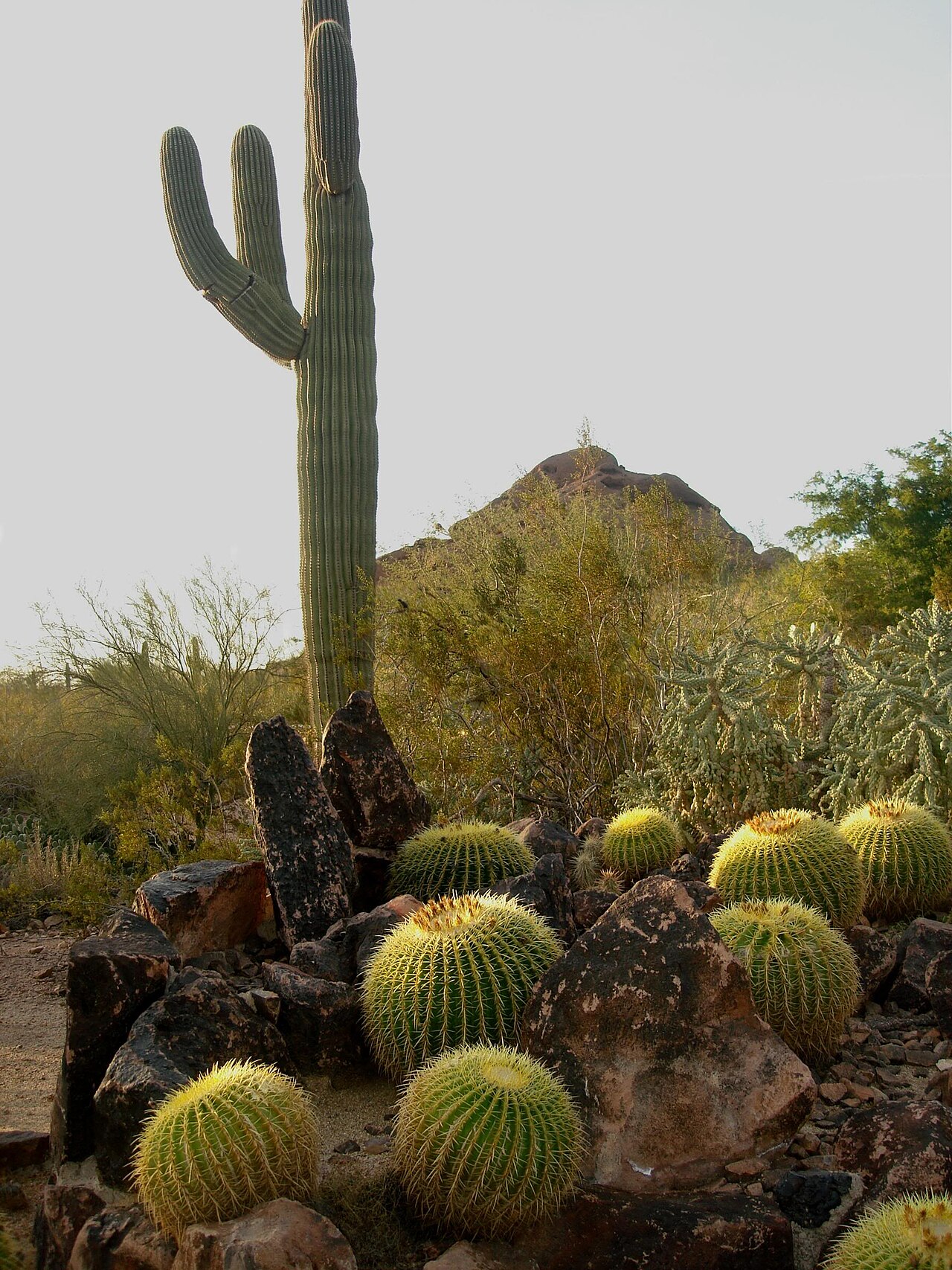
Spring training continues until just before the regular season opens in late March. The Heard Museum Guild Indian Fair and Market, one of the country's most important Native art markets, is traditionally held in early March. Wildflowers and cactus blooms peak from March into April, depending on winter rains, making it the best time for the Desert Botanical Garden and desert hikes. Spring break crowds add to demand.
April — still lovely, getting warmer
April remains excellent for most activities, with longer days and blooming saguaros toward the end of the month. Prices begin to fall as the winter visitors head home. Start hikes earlier as temperatures climb.
May to September — the hot season
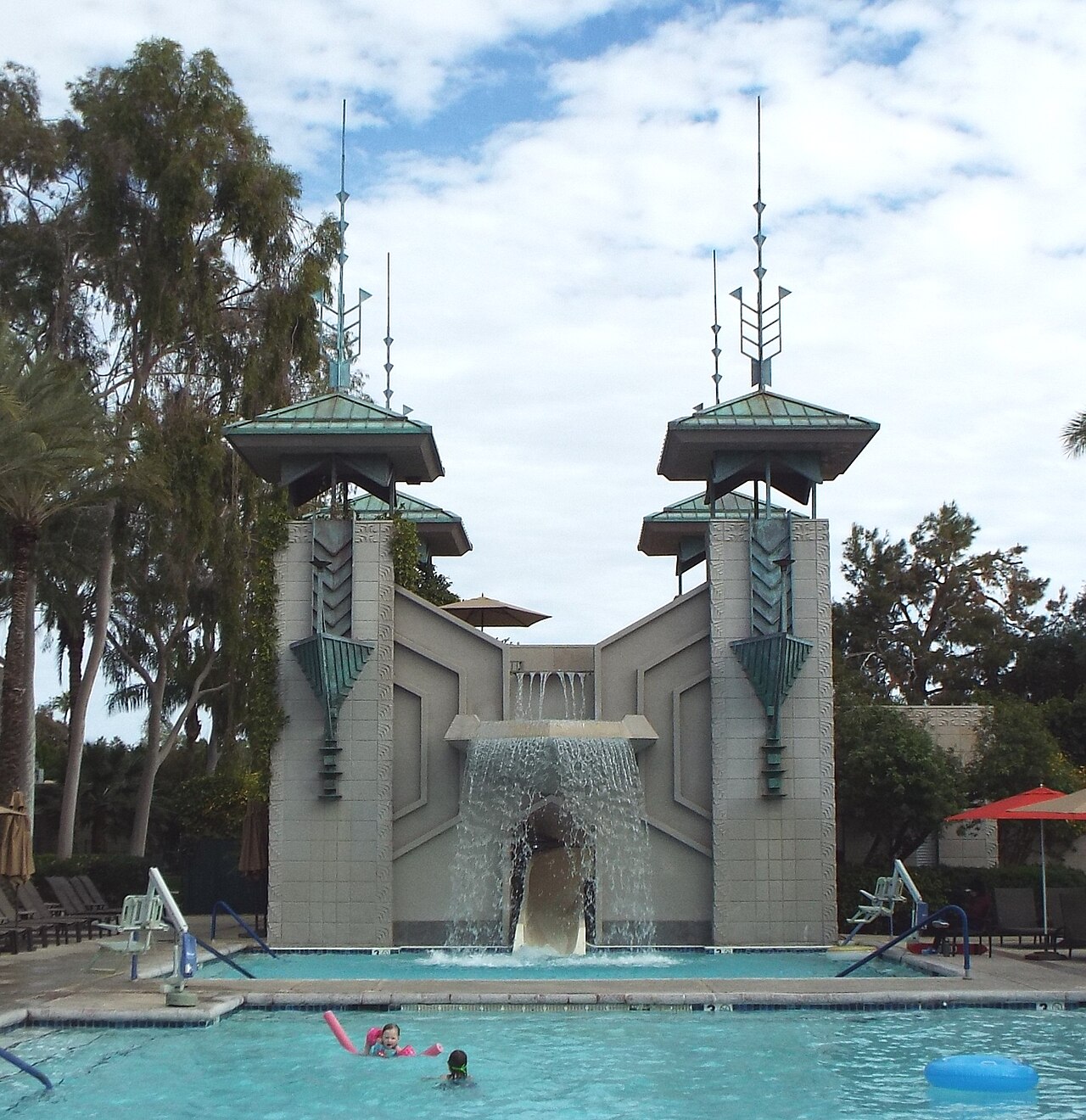
Summer in Phoenix is intensely hot, and the late-summer monsoon brings humidity, dust storms and sudden thunderstorms. Yet many visitors embrace it: resort rates drop dramatically, pools are glorious, and indoor attractions such as the Musical Instrument Museum, OdySea Aquarium, Butterfly Wonderland and the art museums offer long, cool afternoons. Salt River tubing, a summer tradition of floating down the river east of Mesa past wild horses, typically runs from late spring into early fall and is closed in the cooler months. Hike only at dawn, carry plenty of water and heed the city's heat closures on popular trails during Extreme Heat Warnings.
October — the turn
Early October is still hot; by the end of the month the season has turned. It is a good time for value before the November rush.
Budget strategy
For the best combination of weather and price, aim for November, early December or late April. For events, accept peak prices in February and March and book far ahead. For the lowest rates, embrace summer, but plan your days around the heat and choose a resort with great pools.
Beyond the Valley
Sedona and the Grand Canyon are popular extensions; both are higher and cooler than Phoenix, with different seasonal rhythms, and both deserve their own planning rather than a rushed day trip.
What to pack
For November to March, bring layers: shorts and T-shirts for the afternoons, a warm jacket for evenings and pre-dawn starts, and a sweater for balloon flights and early hikes. Sun protection matters in every month: a wide-brimmed hat, sunglasses and high-factor sunscreen. Pack sturdy trail shoes, a refillable water bottle or hydration pack, and swimwear, because most hotel pools are heated in winter. Resort dining is smart-casual at most. In summer, pack light, breathable clothing, electrolytes and a sense of humor about the heat.
Booking windows
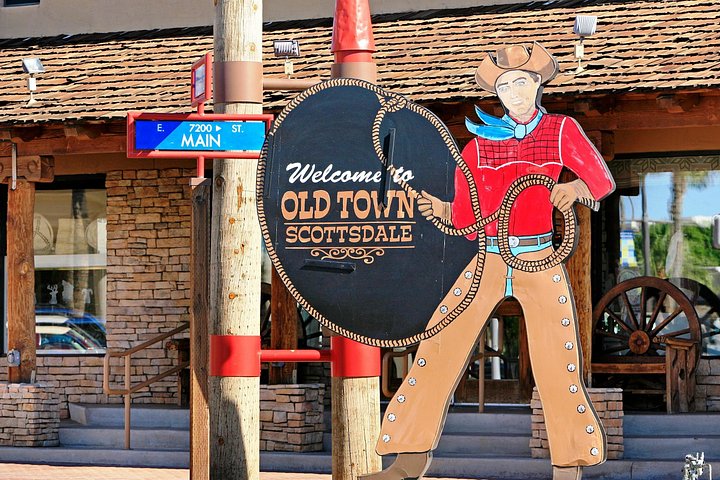
For February and March, book hotels three to six months ahead, and earlier still for Phoenix Open week and spring training weekends. For luminaria nights at the Desert Botanical Garden, buy as soon as your dates are firm. For Taliesin West specialty tours and balloon flights, a few weeks ahead is usually enough outside the holidays, but popular weekend slots sell out. Restaurant reservations for weekend evenings in Old Town Scottsdale are wise from January to April.