Three days is enough to see the essential Rio and to understand why people fall in love with it, as long as you plan around two things: the weather on the mountains and the traffic between neighbourhoods. This itinerary assumes you are staying in Copacabana, Ipanema or Leblon. Treat the days as interchangeable; the golden rule is to go up Corcovado on the first clear morning, whichever day that is.
Day one morning: Christ the Redeemer
Book a timed ticket on the Corcovado train from Cosme Velho or an authorised van from Copacabana, choosing one of the first departures. If the escalators are being replaced, you will climb the old staircase to the statue, so wear comfortable shoes and allow a little more time. Spend an hour on the summit, taking in Sugarloaf, the bay, the lagoon and the beaches, then return to the base.
Day one afternoon: Santa Teresa and the Selaron Steps
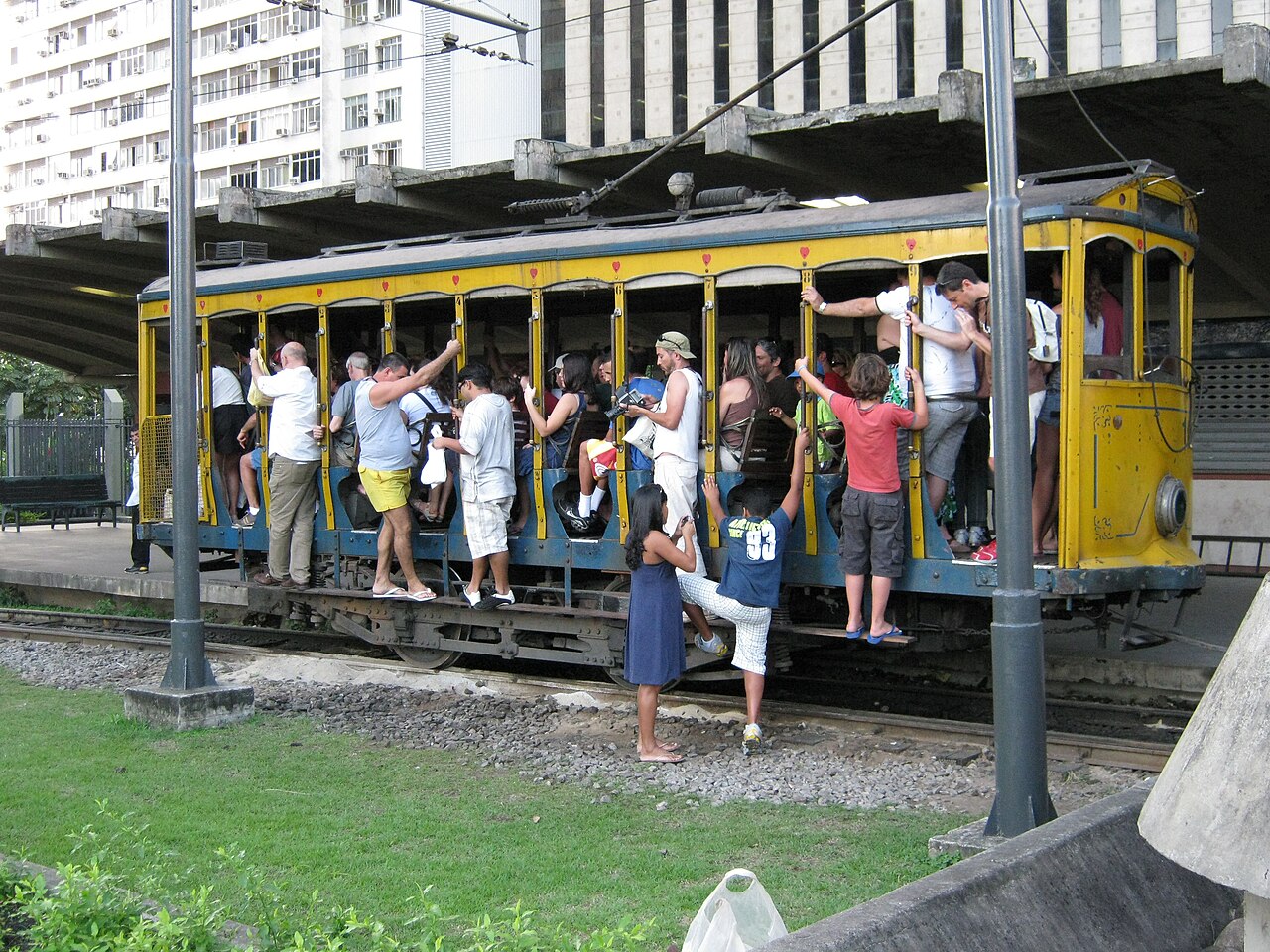
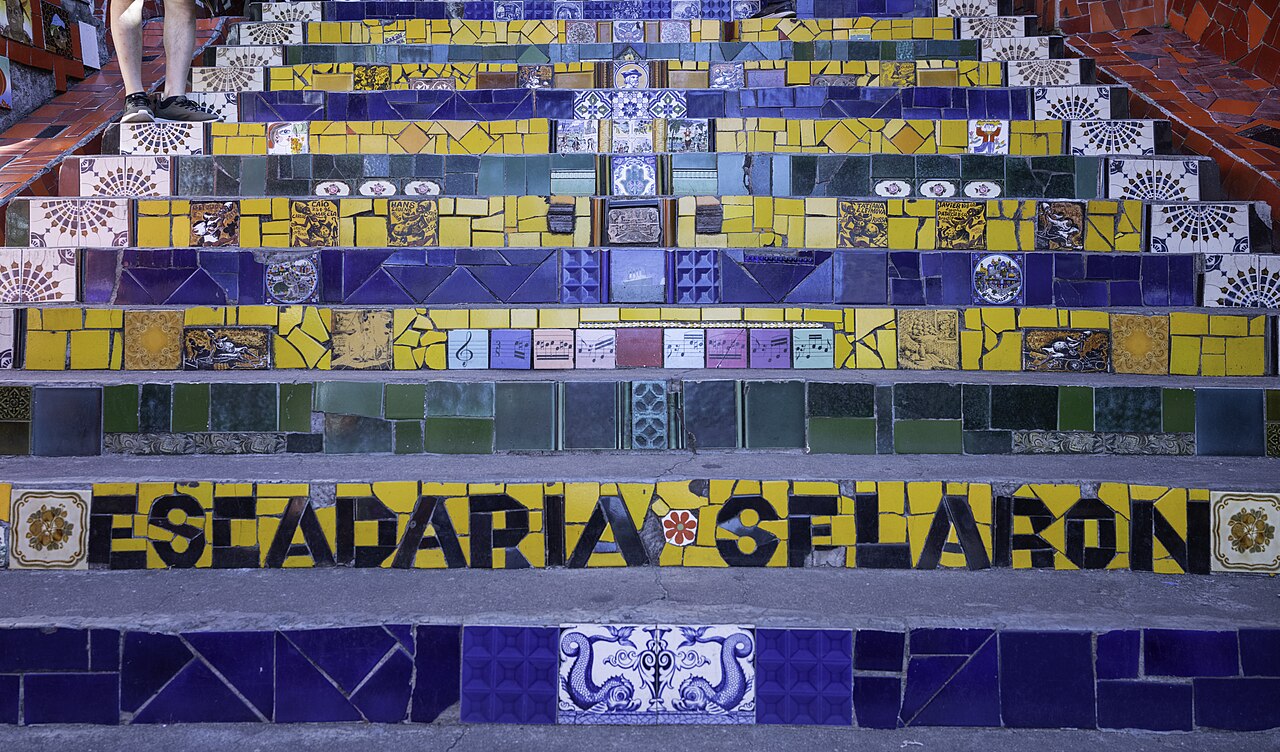
From Cosme Velho it is a short ride to Santa Teresa. Have lunch at Largo dos Guimaraes, walk to the Parque das Ruinas for its view over the bay, look into the galleries, and if the tram is running at a convenient time, ride it. In the late afternoon, walk down the Selaron Steps into Lapa, with its eighteenth-century arches, and take a car back to the beach.
Day one evening: a South Zone dinner
Eat in Ipanema or Leblon, where the restaurant streets are lively and walkable, or try a classic churrascaria for the full Brazilian barbecue experience.
Day two morning: Copacabana
Start with a walk or run along the wave-patterned promenade of Avenida Atlantica, then settle into a beach tent for the morning. Swim near a lifeguard post, watch the footvolley, and try the beach snacks. If you like history, walk to the Copacabana Fort at the southern end, with its museum and cafe overlooking the beach.
Day two afternoon: Ipanema and the Arpoador sunset
Walk around the Arpoador point to Ipanema, browse the boutiques and juice bars of the streets behind the beach, and in the late afternoon climb onto the Arpoador rock. Arrive half an hour before sunset to find a spot, and join the applause as the sun goes down behind Dois Irmaos.
Day two evening: samba
On a samba night, traditionally Monday or Friday, take a car to Pedra do Sal in Little Africa for the open-air roda de samba; on other nights, the bars and samba houses of Lapa are the alternative. Keep valuables to a minimum and watch your drink.
Day three morning: the port, Little Africa and the Museum of Tomorrow. Take the metro and VLT to the port. Walk the African heritage trail to the Valongo Wharf, a UNESCO World Heritage Site where hundreds of thousands of enslaved Africans were landed, and the Pedra do Sal, then visit the Museum of Tomorrow, closed on Mondays, and the Kobra mural on the Boulevard Olimpico. A guided walk with a local, Black-led company adds depth.
Day three afternoon: the Botanical Garden or the Maracana
Nature lovers should head to the Botanical Garden for imperial palms, orchids and marmosets, buying tickets online because the gate accepts only PIX or cash; football fans should take the metro to the Maracana for the stadium tour, checking the fixtures first.
Day three sunset: Sugarloaf
Take a car to Praia Vermelha in Urca and ride the two cable cars to the summit about an hour before sunset. Watch the sun set behind Corcovado, stay for the city lights, then come down for a drink on the Urca seawall or dinner in Botafogo.
If it is cloudy
Swap the mountains for the Museum of Tomorrow, the Museu de Arte do Rio, the Maracana and the Botanical Garden, which are all good in grey weather, and keep checking the forecast for a clear window to go up Corcovado. Sugarloaf is lower and clears more often than Corcovado.
If you have a fourth day
Choose between a jeep tour of the Tijuca rainforest with its waterfalls and the Vista Chinesa, the big guided climb up Pedra da Gavea, or the shorter hike up Dois Irmaos from Vidigal with a resident guide. Or simply spend a lazy day on Leblon beach, which is how many cariocas would spend it.
Booking checklist
Before you arrive, book the Corcovado train or van for your first morning, with a back-up slot later in the trip; buy Sugarloaf tickets online for sunset; book any guided hikes or the Tijuca jeep tour; buy Botanical Garden tickets online; and check the Maracana fixtures and the Museum of Tomorrow opening days. Reserve a table for a weekend dinner in Ipanema or Leblon, and ask your hotel which nights the samba is on at Pedra do Sal. Leave at least one afternoon unplanned for the beach: in Rio, doing nothing on the sand is part of the itinerary.
Getting around
Use the metro between the South Zone, the centre and the Maracana, and ride-hailing cars for everything else, especially after dark. Allow extra time for traffic in the late afternoon, and do not try to cross the city at rush hour to catch a sunset. With these three days you will have seen Rio from its mountains, its beaches and its streets, and you will want to come back.