Savannah's haunted reputation is the rare tourism claim with an evidentiary basis: a city built and rebuilt over its own burials, scythed by fire and yellow fever, whose marquee hauntings attach to documented addresses. The visitor's task is curation — formats, houses, and honest expectations. This is the connoisseur's map; for the full national haunted circuit, our sister site thrillertours.com runs the deep editions.
The foundation (why the stories hold)
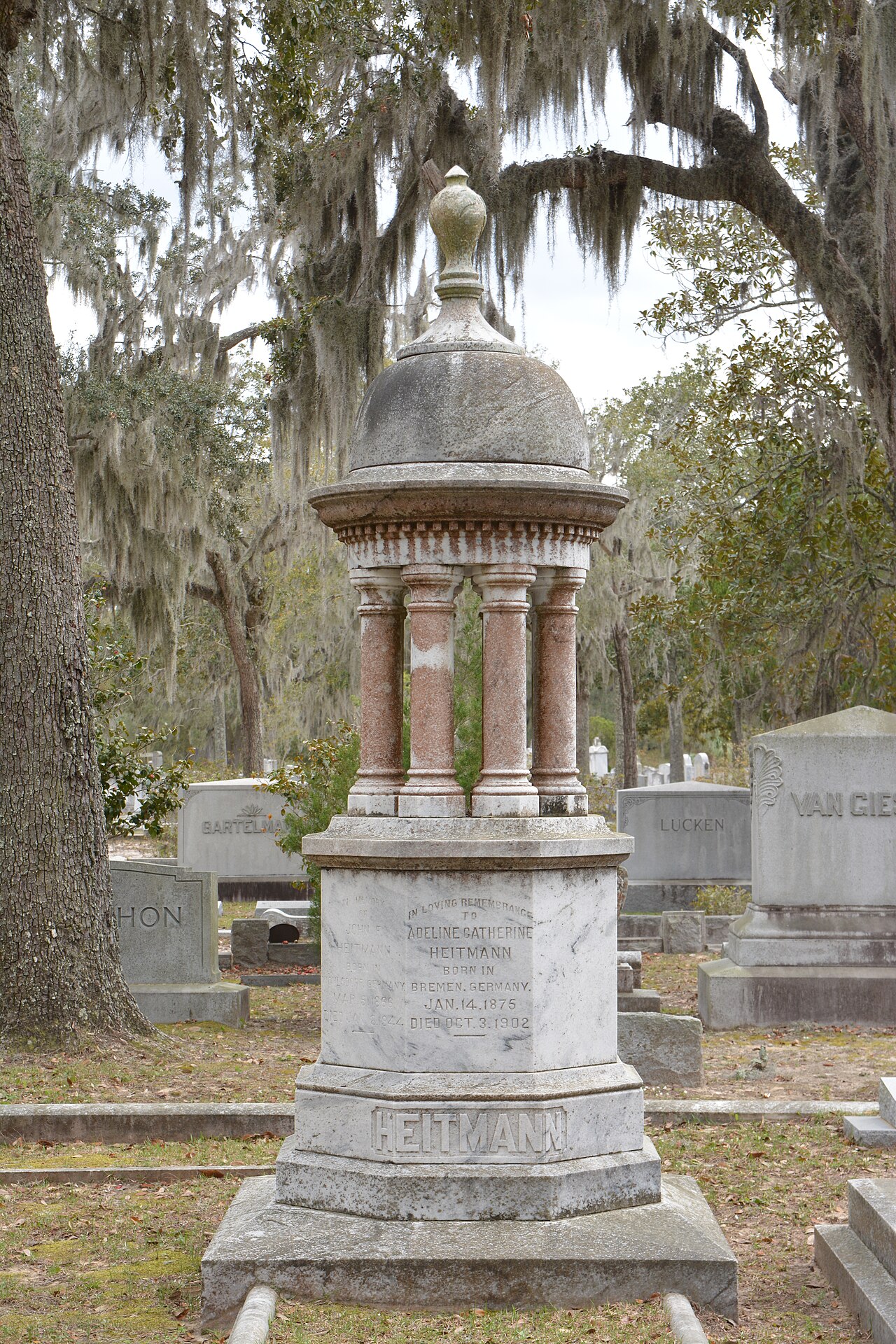
The colonial dead were buried where the growing city built: Colonial Park Cemetery's original bounds ran far past today's fences, and street grades rose over graves relocated mostly in name — "built on her dead" is surveying fact. Yellow fever supplied the mass casualties (1820 killed a tenth of the city in the fire's same year; 1854 returned), the epidemics' hospitals and quarantines seeded half the district's hauntings, and the war's occupation layered hospital wards into hotels still operating. Good guides run this history first; it is why Savannah's chills outrank invented-gothic rivals.
Choosing the format
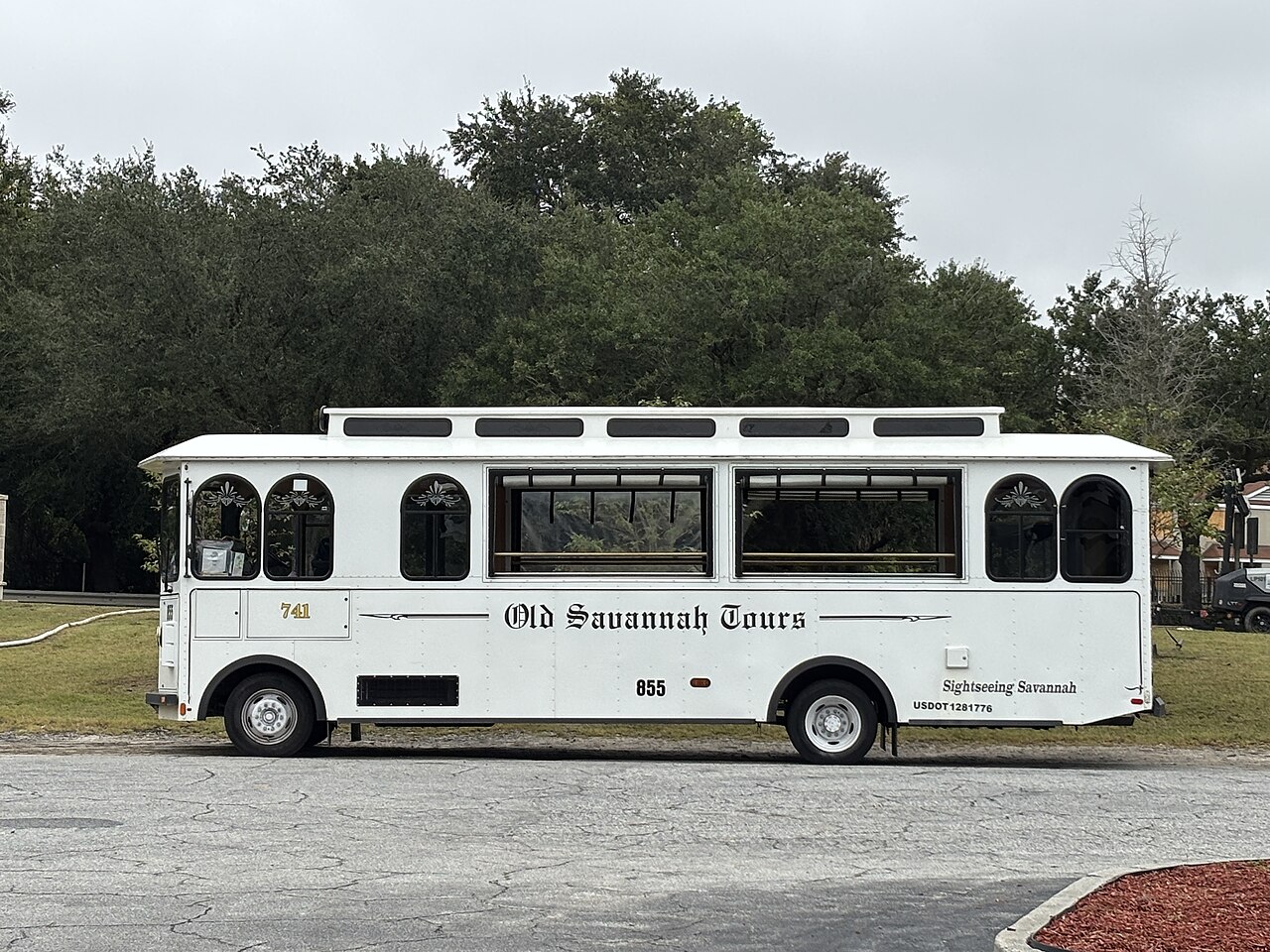
The Ghosts & Gravestones trolley (this guide's featured entry) covers the most ground with exclusive after-hours building access — the first-night default. Licensed walking tours trade coverage for intimacy: small groups at the Colonial Park fence, candle-lamp pacing, the guides' archive-versus-legend sorting at its best — book the small caps, skip the forty-person herds. Pub crawls run the spirited version (the to-go cup law makes Savannah the genre's natural habitat) with history diluted accordingly. Building-specific night tours — the Sorrel-Weed's paranormal investigations, the Davenport's candlelight programs — serve the committed with actual interiors and instrument-waving by taste. October books everything out weeks ahead; shoulder seasons walk up.
The marquee case files
The Sorrel-Weed House (Madison Square): the district's paranormal-TV fixture — the documented deaths, the carriage-house tragedy's contested tellings, and basement acoustics that do half the work; its own night tours go deepest. The Mercer-Williams House (Monterey): the Midnight shooting's parlor, toured by day with the ghost talk left tactfully implicit. 432 Abercorn (Calhoun Square): the glowering vacant mansion whose legends (plague, curses, the lurid inventions) guides enjoy debunking into the sadder real history. The Marshall House and Kehoe House: the haunted-hotel tier with hospital and family provenance respectively — see below. The Pirates' House: the 1753 tavern's shanghai-tunnel lore, kernel-of-truth folklore served with the she-crab soup. And Colonial Park itself: dueling grounds, fever trenches, and the Sherman-era grave desecrations, read from the fence on every good route.
Sleeping in it (the haunted-hotel strategy)
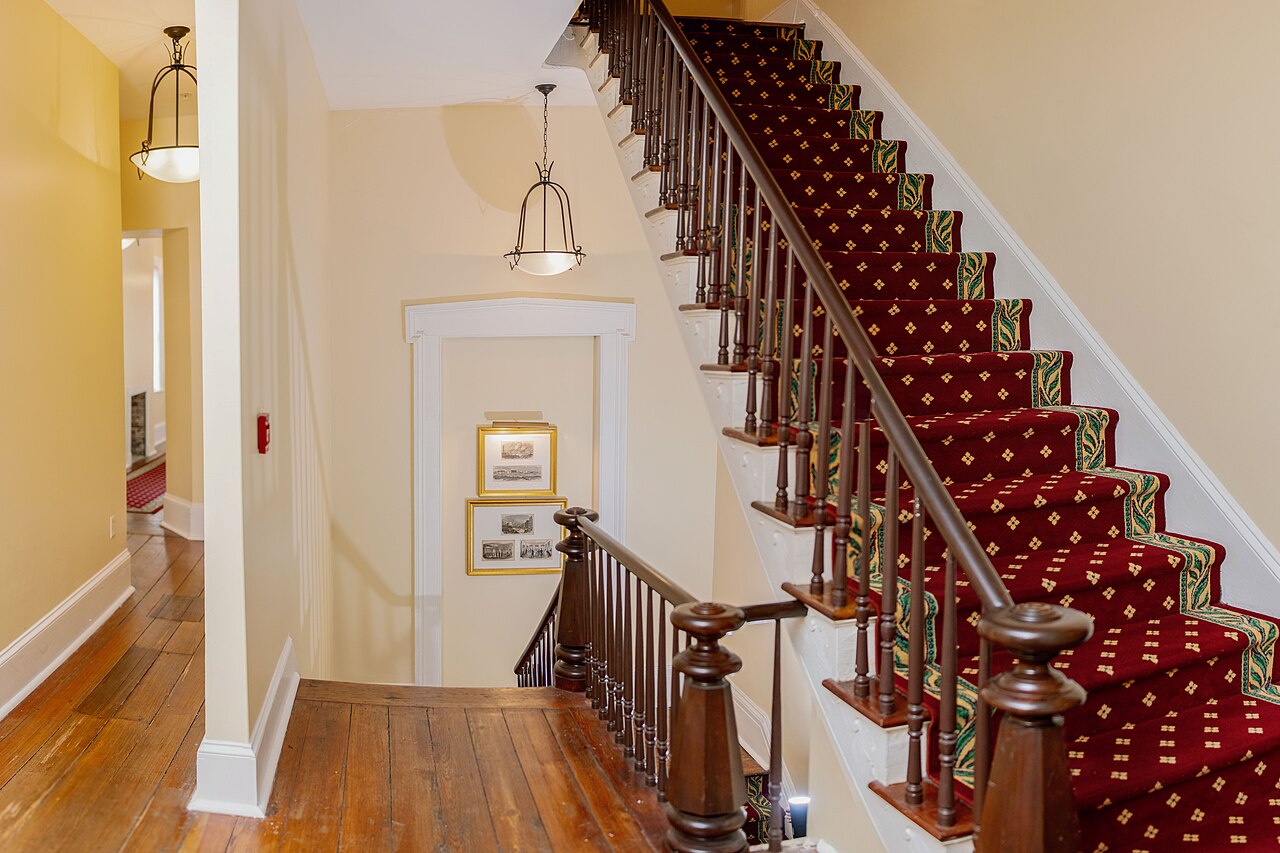
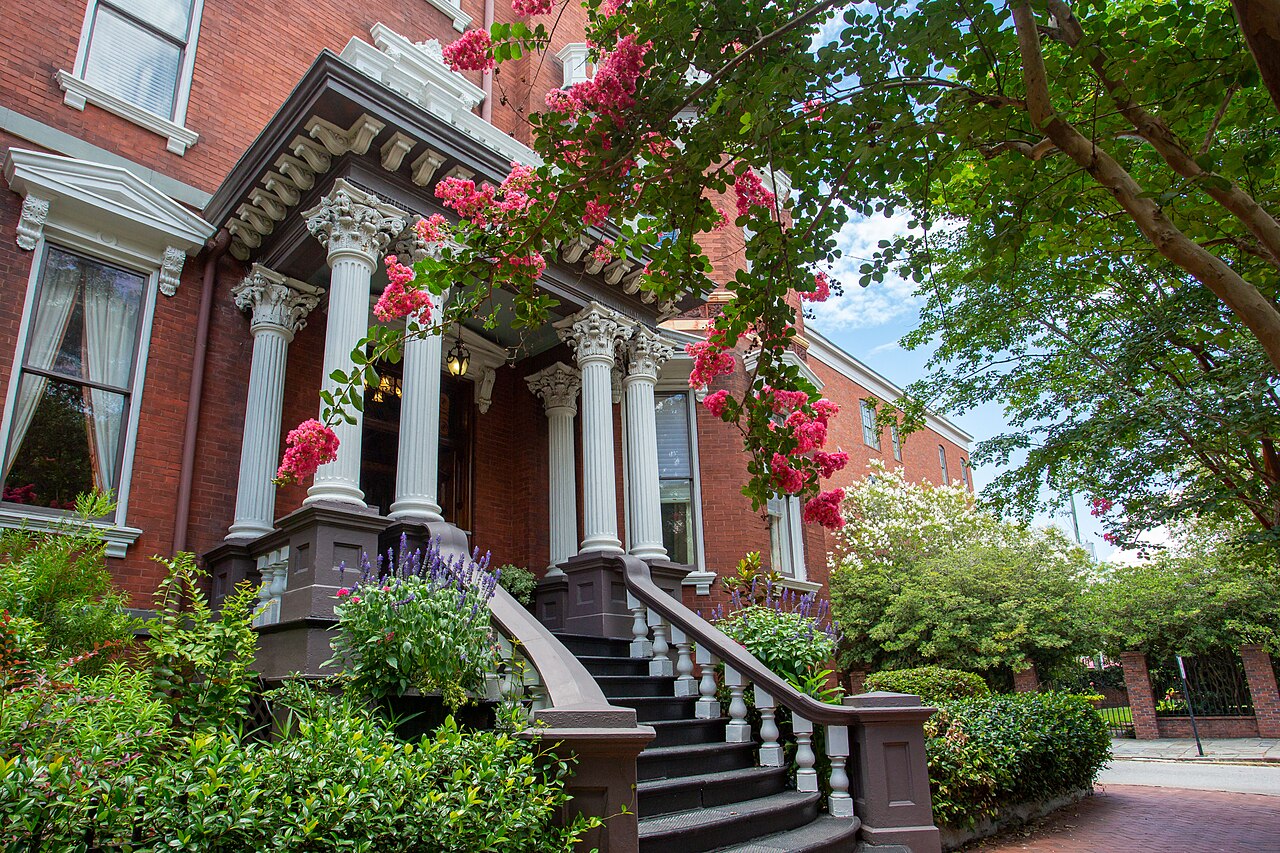
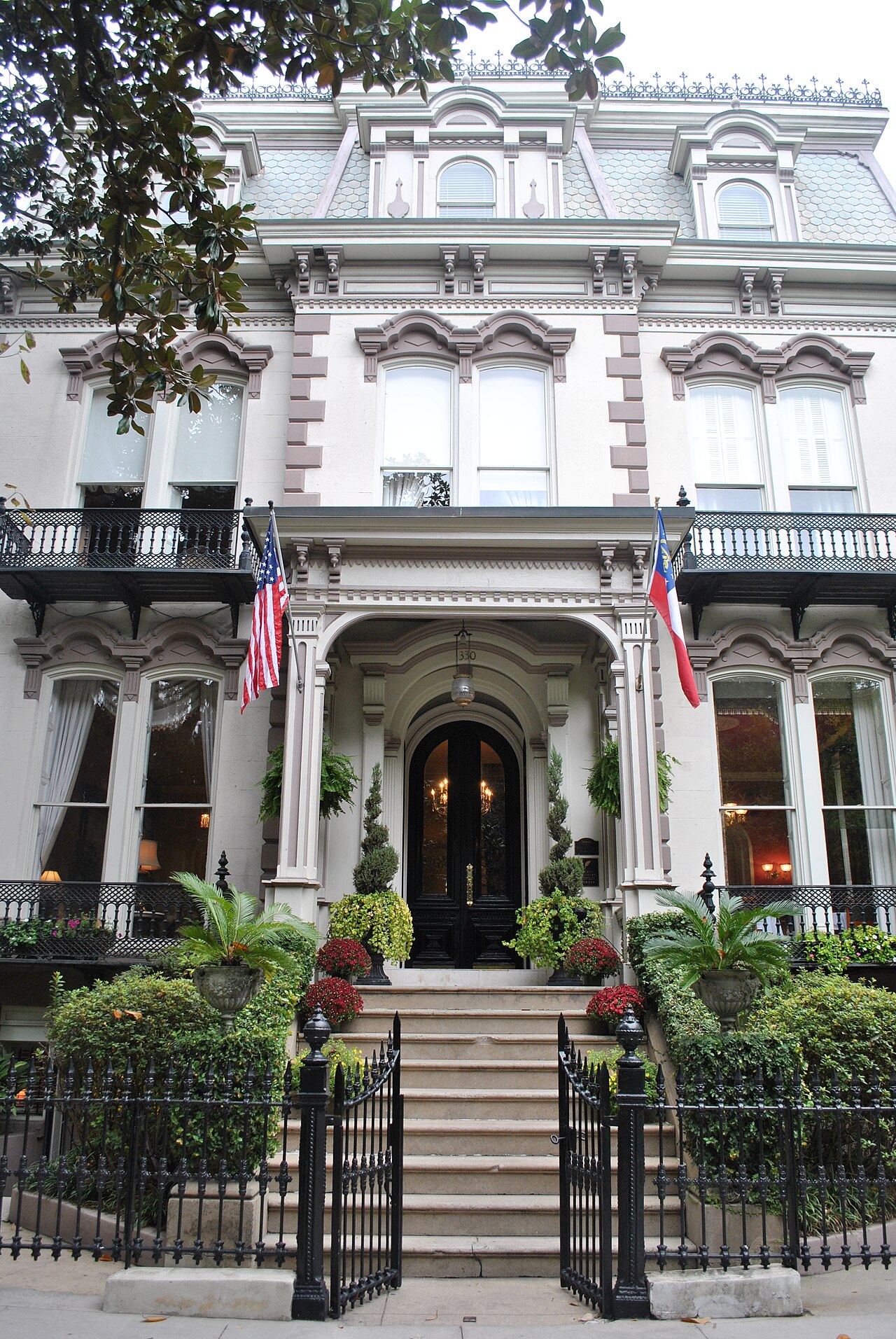
The Marshall House is the committed choice — 1851, Union-hospital provenance, fourth-floor reputation, stories told nightly at the wine hour — book October months out and request the famous floor or flee it by temperament. The Kehoe House runs the gentle register: the children's footsteps of rooms 201 and 203, inn-polished and whispered rather than sold. The Hamilton-Turner adds the Midnight-party pedigree on Lafayette. Strategy: believers book the named rooms early (they sell first all October), skeptics enjoy identical thread counts, and everyone attends the wine hour where the stories live. The full haunted-hotel methodology — EMF-curious or merely curious — lives at thrillertours.com.
The truth-tellings
Bonaventure closes at 5pm and offers NO night tours — evening "Bonaventure" products are drive-bys or fiction; its beauty is a daytime chapter. The Bird Girl lives at the Telfair, not the cemetery. Orbs are dust, happily photographed. And the best haunted hour costs nothing: a lamplit solo walk through Madison and Monterey squares after the tours disperse, moss moving in no wind, the dark layer the tours installed doing its quiet work — which is, after all, exactly what you came for.