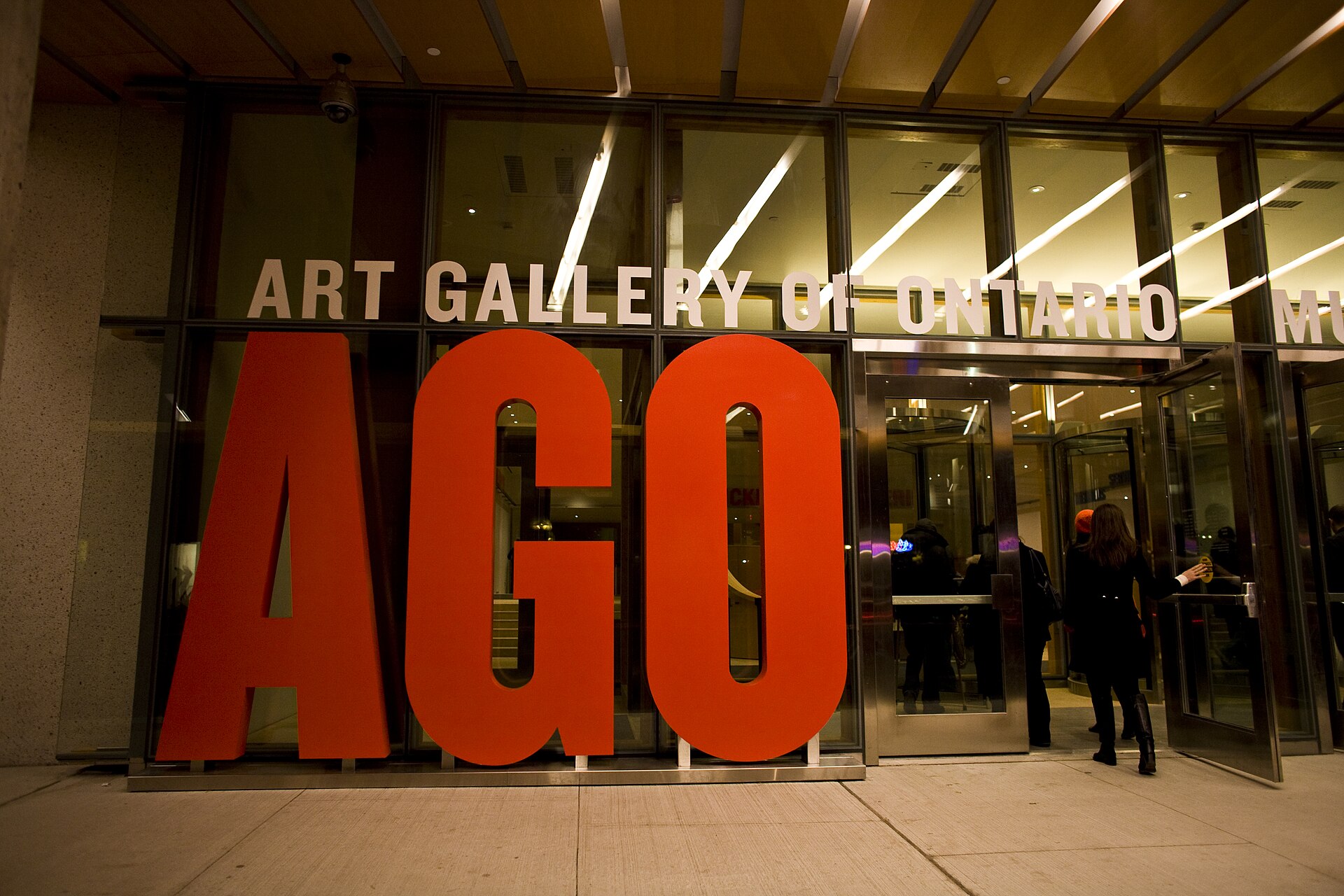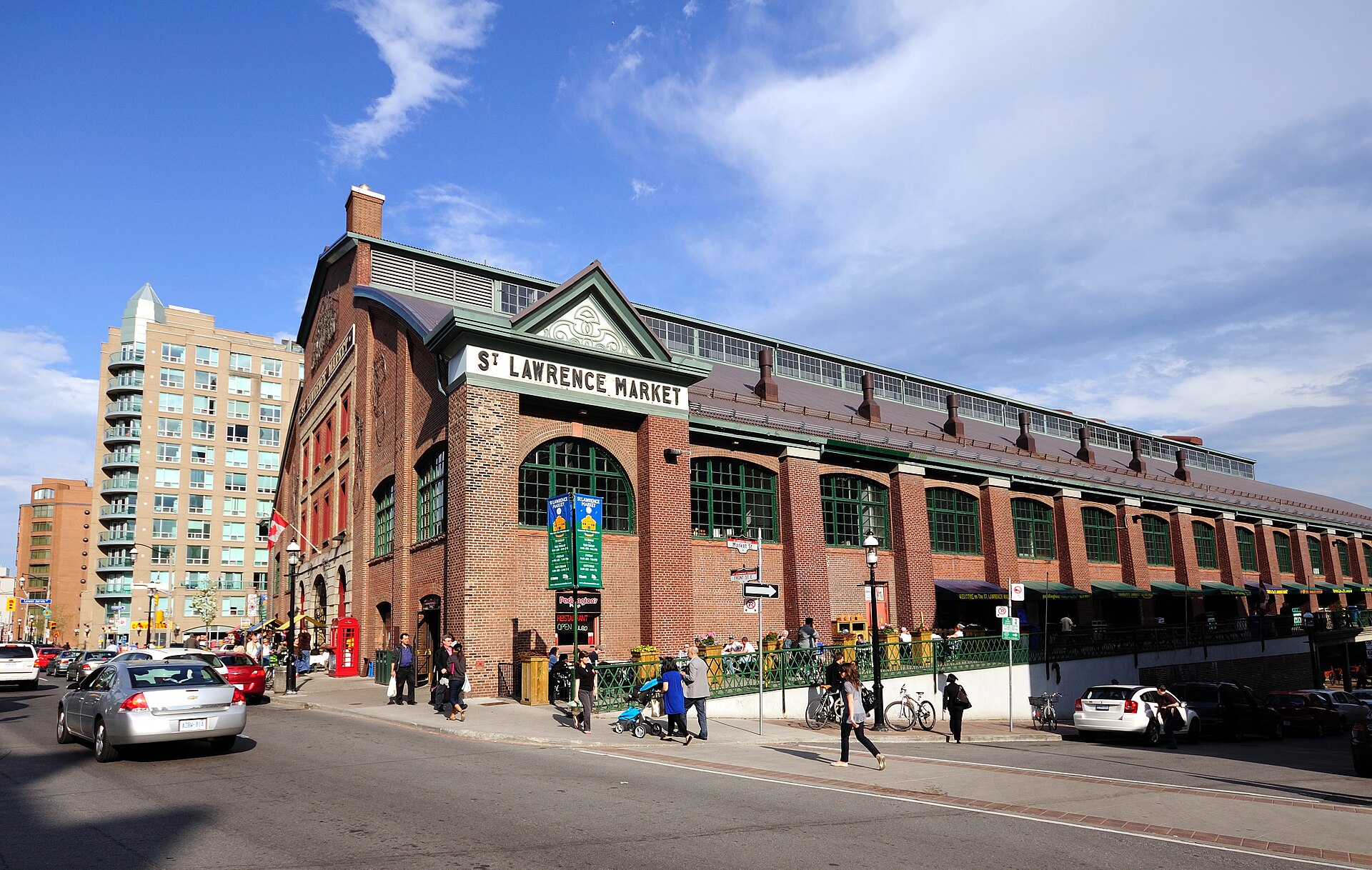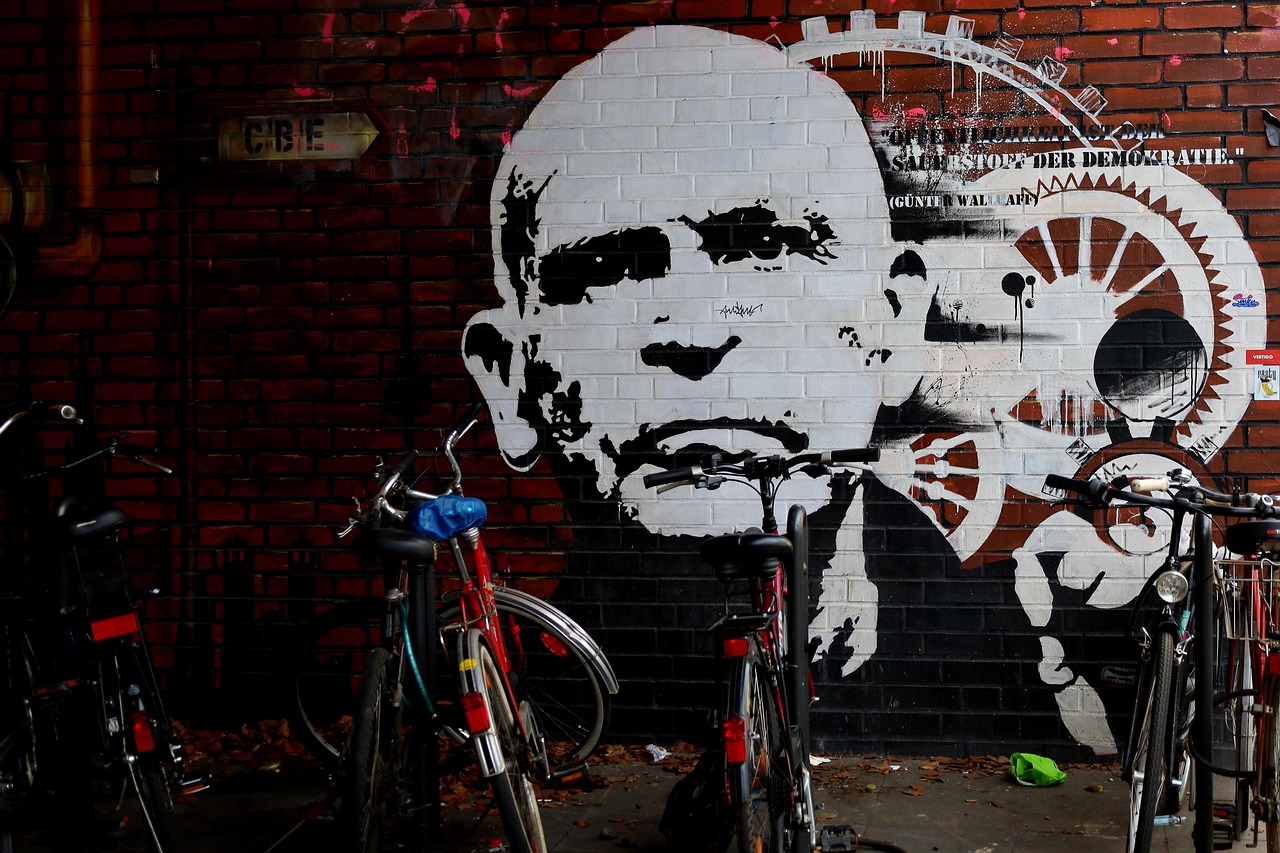
Kensington Market is Toronto's soul district and the foodie chip's free headquarters: the few-square-block warren west of Chinatown — a National Historic Site of Canada precisely because nothing about it was ever planned — where a century of immigration waves layered the city's most stubborn character: the Jewish market era's stall-front Victorians (the 1920s shtetl-market bones survive in the house-front retail), the Portuguese-Azorean decades' painted facades and fish shops, the Caribbean, Latin American, East Asian and East African layers since, and the bohemian-and-punk tenancy that colonized the gaps — producing the current bazaar: vintage-clothing shops at the country's densest concentration (the hand-painted-sign second-hand economy runs a dozen deep — the rummage is the sport), the global cheap-eats tier that makes the market a progressive lunch (Latin empanadas and tacos al pastor, Jamaican patties, Chilean completos, Vietnamese banh mi, the cheese-and-fishmonger old guard, the Hungarian-Portuguese churrasco smoke, dumplings at the Chinatown seam, and the espresso-and-craft-beer corners threading it), the grocers' sidewalk produce theater (the market still works as a market — the fruit stands' calls and the spice shops' sacks), and the street culture that defends it all (the market's anti-chain immune system is civic legend — the community fought off every franchise incursion, and the one big-logo arrival became a protest story). The calendar peaks monthly in season: Pedestrian Sundays (the last Sunday, roughly May-October — the streets close to cars and the market becomes its full self: buskers on every corner, drum circles, the grills dragged to the curb; it is the market's defining experience and the city's best free festival rhythm), with the everyday craft simple: come hungry and eat progressively (no single restaurant — the crawl IS the meal), weekday mornings for the quiet-market mode, Saturdays for full theater, and the pairings adjacent — Chinatown's Spadina dumpling row at the eastern seam, Graffiti Alley ten minutes south, and the AGO a dozen blocks east. Fit: the foodie chip definitionally, first trips (the city's character concentrated), couples (the vintage-rummage-and-lunch date), and every visitor who asks where Toronto keeps its soul.
The market's history is Canada's immigration story at neighborhood scale: the 1900s-20s Jewish market (pushcart vendors priced out of formal retail turned their house fronts into stalls — the architectural DNA survives), the postwar Portuguese era (the Azorean community's painted houses and the fish-and-churrasco economy), the 60s-70s counterculture arrival (the American draft-resister wave settled here; the market's activist spine dates to it), the Caribbean and Latin decades, and the heritage designation (2006's National Historic Site listing named the layered immigrant-market fabric itself as the monument — a designation protecting not buildings but character). The anti-gentrification immune system is the modern chapter: the community land trust movement's local victories, the anti-chain campaigns, and the market's self-governing scruff — like Vancouver's Commercial Drive, the unpolish is actively defended, and visitors who get it get it.
The crawl craft
Enter from Spadina through Chinatown (the dumpling-to-empanada gradient is the city's best food transition), the progressive-lunch canon (a patty, a taco, a banh mi, a butter tart somewhere, espresso standing), the vintage circuit's rummage hours (the courtyard shops reward digging), the grocer-and-spice-shop browse (the market works for actual shopping — picnic assembly for Trinity Bellwoods park ten minutes west), and the Pedestrian Sunday planning (last Sundays in season — the full-theater version worth aiming a trip week around). The etiquette matches the Drive's: photograph the streets, not the vendors' faces uninvited; buy something where you linger; the market survives on exactly that trade.
Practicals and fit
The blocks around Augusta, Baldwin and Kensington Avenue (streetcars on Spadina and Dundas; the 510's Chinatown stops), free always, hungry arrival mandatory, Pedestrian Sundays the last Sunday roughly May-October. Fit: foodies first and completely, first trips (the soul district), couples, vintage hunters — and everyone Chinatown's seam delivers naturally.
What to expect
The experience
A few square blocks of layered immigration history working as a bazaar — global cheap-eats, the country's densest vintage retail, sidewalk grocers and painted Victorians — free, hungry arrival mandatory.
Best time
Pedestrian Sundays (last Sunday, roughly May-October) are the full-theater version; Saturdays run lively; weekday mornings show the working market.
How long
Two to three grazing hours.
Tips
Eat progressively — patty, taco, banh mi, espresso standing — the crawl is the meal. Enter from Spadina through Chinatown for the dumpling-to-empanada gradient. Buy something where you linger; the market runs on it.
Quick picks
- Best for
- The foodie chip's free headquarters — four blocks, five continents, no reservations.
- Families
- Patties, churros and the fruit-stand theater — snack-sized everything at kid height.
- Couples
- The vintage-rummage-and-lunch date, Pedestrian Sunday drums included.
- Pair with
- Chinatown's Spadina seam, Graffiti Alley ten minutes south, the AGO a dozen blocks east.
- Time needed
- One hungry afternoon, Sunday-timed if possible.
Good questions
Why is a market a historic site?+
The 2006 National Historic Site designation protects the layered immigrant-market character itself — the Jewish stall-front Victorians, Portuguese painted houses and every wave since — not any single building: the fabric is the monument.
What are Pedestrian Sundays?+
The last Sunday of the month, roughly May through October — streets closed to cars, buskers on corners, grills at the curb — the market's defining experience and the city's best free festival rhythm.
What should we eat?+
Progressively — a Jamaican patty, tacos al pastor, banh mi, the cheese-shop counter, espresso standing — the four-block crawl replaces any single restaurant, at cheap-eats prices.
Is it touristy?+
Visited but never polished — the market's anti-chain immune system is civic legend, the scruff is actively defended, and the vendors' trade is still the neighborhood's.
When is it quietest?+
Weekday mornings run the working-market mode — grocers, regulars and open rummage racks — with Saturdays and Pedestrian Sundays at the other, glorious extreme.