Winter in Zurich and Lucerne is a season of contrasts: grey, foggy days in the lowlands and brilliant sunshine above the clouds, quiet museums and lively Christmas markets, closed mountain railways and snowy summits reached by cable car. With the right plan, it is one of the most rewarding times to visit, with fewer crowds, lower hotel prices outside the holidays and a cosy, festive atmosphere. Here is how to plan a trip from November to March.
Christmas markets in Zurich
Zurich's Christmas season runs from late November to just before Christmas. The largest indoor market, now called Polarzauber, fills the main station's great hall from late November to 24 December, with stalls, food and a decorated tree. On the Sechselaeutenplatz by the opera house, a new market, Bellevue Noel, replaces the former Wienachtsdorf from late November to just before Christmas. On the Werdmuehleplatz, the Singing Christmas Tree, a tiered stage shaped like a tree where choirs sing in the evenings, runs from late November to just before Christmas, with a small market around it, and the Weihnachtsmarkt Doerfli in the Niederdorf, the Old Town's oldest Christmas market, runs on the same dates. Add the lights on the Bahnhofstrasse, ice skating and the decorated lanes of the Old Town, and Zurich becomes one of the most festive cities in Switzerland. Nearby, Einsiedeln, with its great abbey, holds a market in late November and early December, and Rapperswil's Christmas market runs from Thursday to Sunday in the first half of December.
Christmas in Lucerne
Lucerne's festive season begins in late November. Lucerne Ice Magic, an outdoor ice rink with music and lights on the Europaplatz by the KKL, usually runs from late November to the start of January, with an Advent opening on the Europaplatz at the start. A Christmas train tours the town from late November until after Christmas. The Christmas markets on the Franziskanerplatz, the Weinmarkt craft market, Rudolf's Christmas by the lake, a Christmas tree market on the Schweizerhofquai and the Hotel Schweizerhof's own market open through December; check luzern.com for each market's exact dates, which are published in the autumn. Markets generally close before Christmas Eve, so plan your visit for late November to around 20 December.
Which mountains are open
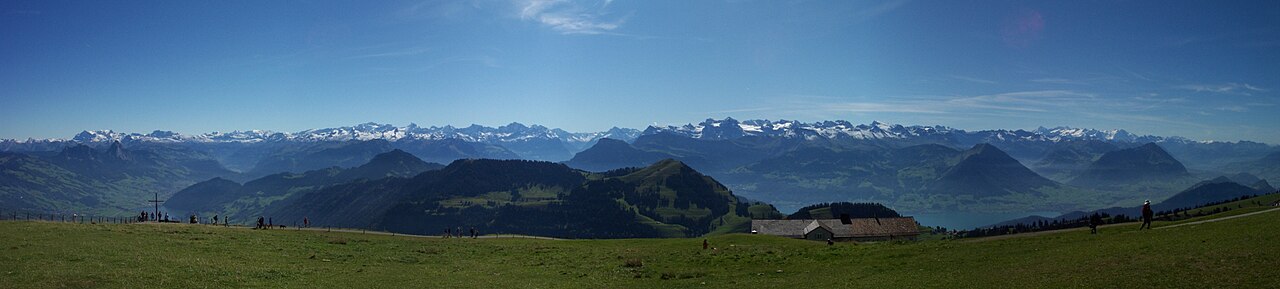
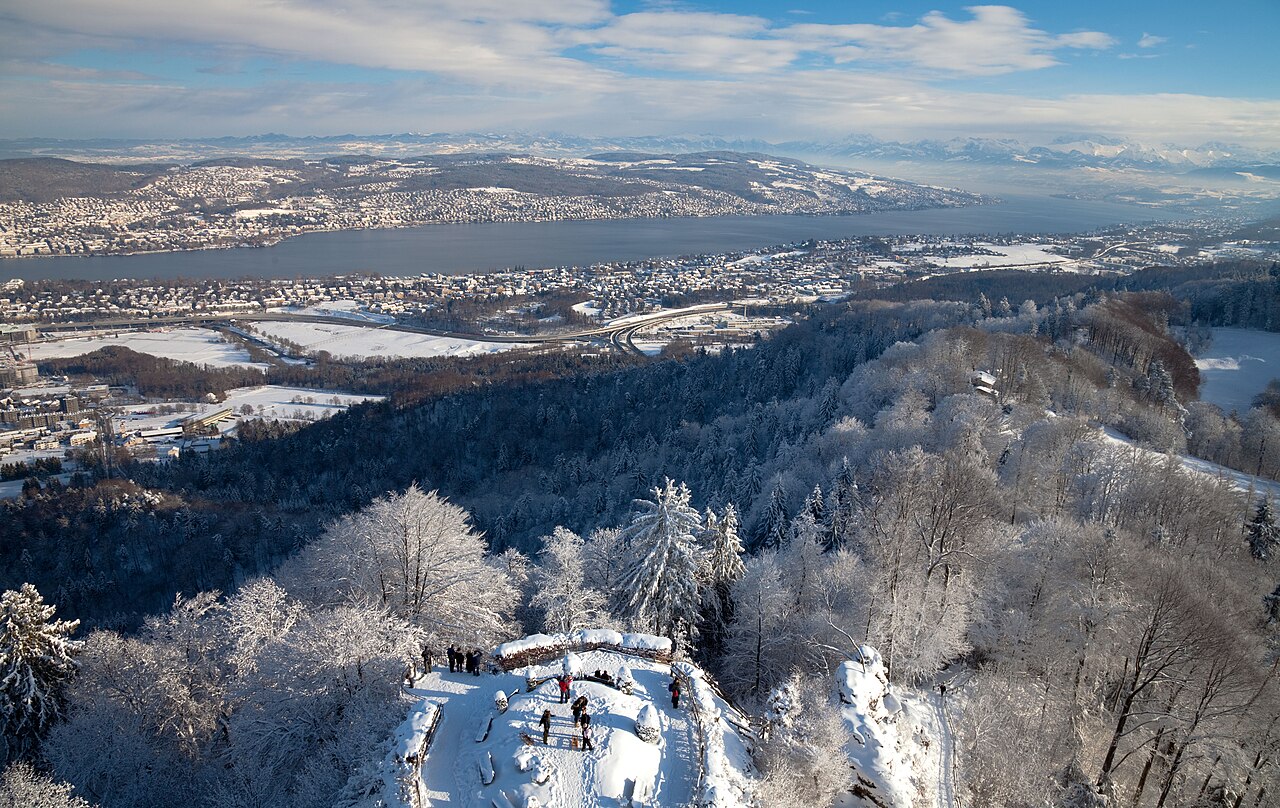
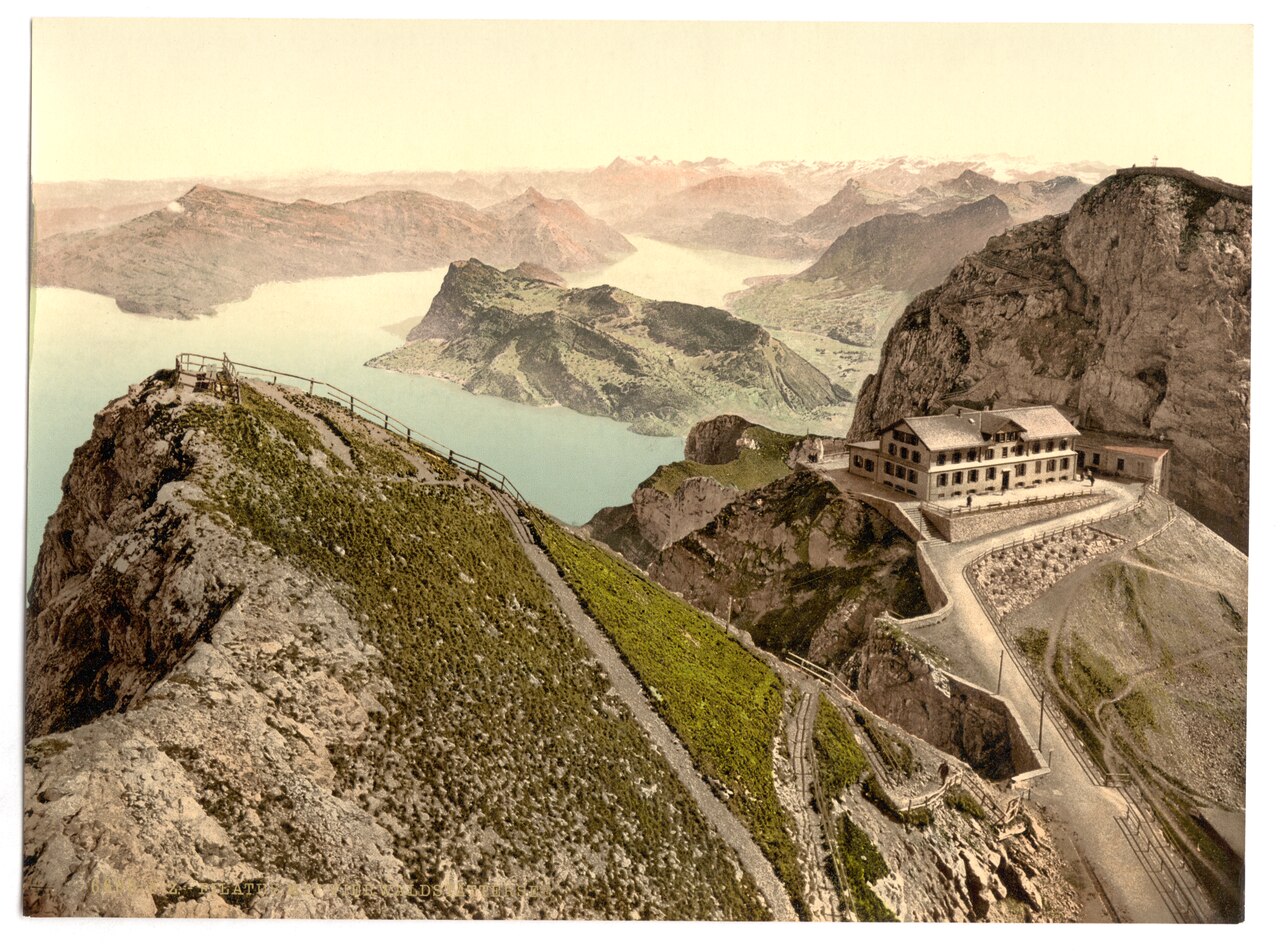
Winter changes the mountain picture. The panorama gondola and the Dragon Ride cable car from Kriens carry winter visitors to the summit, but they close for maintenance for several weeks in late autumn and then reopen with winter hours, the last ascent in the afternoon. On Rigi, the cogwheel railways run all year, with winter walks, sledging and snowshoeing; the Weggis to Rigi Kaltbad cableway closes for maintenance for a short period in late autumn. Titlis is open all year and becomes a ski area in winter, with snow and glacier at the summit; construction of a new peak station continues, with attractions open. The Uetliberg above Zurich is reached by train in every season and, when there is snow, has a popular toboggan run.
The sea of fog
One of the great winter experiences in Switzerland is the inversion: on many days from October to March, a layer of fog covers the lowlands, while the mountains rise above it in sunshine, with a white sea stretching to the horizon. When Zurich and Lucerne are grey, check the webcams on the Uetliberg, Rigi and Pilatus: if the summits are clear, go up. It is the single best reason to visit in winter.
Lakes and cities in winter
Lake boats run on reduced winter timetables on both Lake Zurich and Lake Lucerne, with fewer departures and some routes only on certain days, and themed cruises such as fondue boats in the festive season. City sights are unaffected: the Kunsthaus, the Swiss National Museum, the FIFA Museum, the Lindt Home of Chocolate and the Swiss Museum of Transport are all open, with special holiday hours around Christmas and New Year, and make perfect plans for grey days. Note that the Kunsthaus closes on 25 December and 1 January, and the Swiss National Museum closes early on Christmas Eve.
Carnival
In February or March, Lucerne celebrates its Fasnacht, one of the biggest carnivals in Switzerland, with masked bands, Guggenmusik, parades and days of festivities in the Old Town, starting before dawn on the first day. It is loud, colourful and unforgettable; book hotels early if you plan to be there.
Practical tips for winter
Days are short, with sunset in late afternoon in December, so start early and plan indoor activities for the evenings. Dress in layers, with a warm coat, hat, gloves and shoes with good grip, as cobbles and paths can be icy. Mountain summits are much colder than the cities, especially in the wind. Hotel prices are lower in January and early December outside the holidays, but rise sharply over Christmas and New Year. Check every timetable before you travel, as winter brings maintenance closures and weather-related changes, and keep a flexible day for the clearest weather. Winter rewards those who plan: a morning in a Christmas market, an afternoon above the clouds and an evening fondue are as good as anything summer can offer.