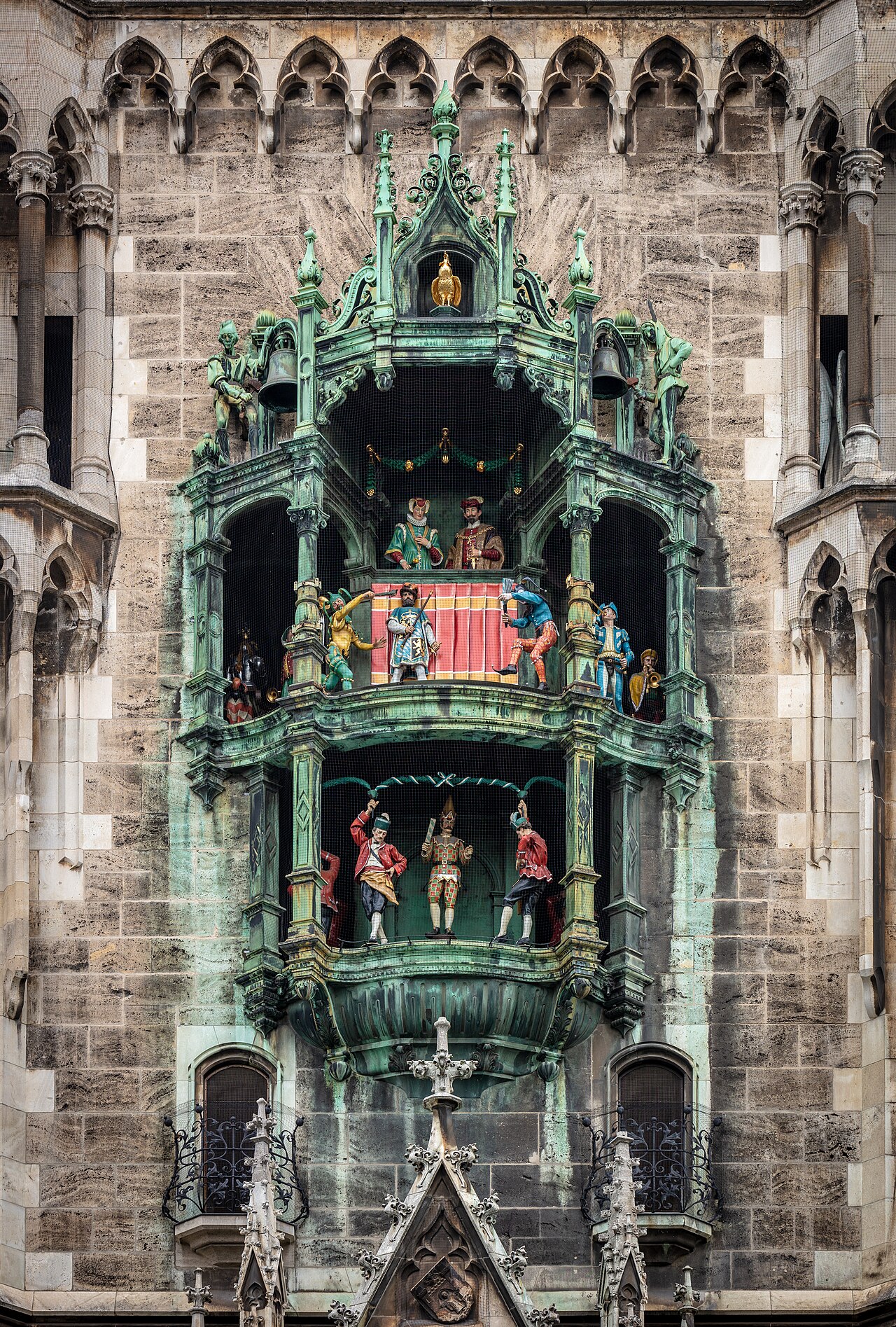
Munich in winter is one of the most atmospheric cities in Europe. From late November, the old town is strung with lights, the smell of roasted almonds and mulled wine drifts through the streets, and markets fill the squares, from the grand Christkindlmarkt on Marienplatz to small neighbourhood markets and alternative festivals. The beer halls are at their cosiest, the museums are quieter, and on clear days the Alps glitter on the horizon. Here is how to make the most of the season.
The Christkindlmarkt on Marienplatz
Munich's oldest and most famous Christmas market traces its roots to the fourteenth century and has been held in the heart of the city since 1972. It usually runs from late November to 24 December on Marienplatz and the neighbouring Rindermarkt, open Monday to Saturday from 10am to 9pm, Sunday from 10am to 8pm, and until 2pm on Christmas Eve. A tall Christmas tree with thousands of lights stands in front of the New Town Hall, and the stalls sell wood carvings, ornaments, candles, gingerbread, roasted almonds and mulled wine, Gluehwein, served in collectable mugs for which you pay a deposit. Musicians often play Advent music from the town hall balcony. Weekday mornings are calmest; evenings and weekends are crowded but magical.
The Kripperlmarkt
Next to St. Peter's church, a few steps from Marienplatz, the Kripperlmarkt has sold nativity scenes, figures and accessories since the eighteenth century; it is part of the Christkindlmarkt and a lovely place to find a traditional souvenir.
The Medieval Christmas market
On the Wittelsbacherplatz, near the Odeonsplatz, a medieval-themed market recreates a Christmas market of centuries past, with costumed traders, craft stalls, torches and hearty food. It is especially popular with families and makes a fun contrast to the main market.
Tollwood
The Tollwood Winter Festival on the Theresienwiese, the Oktoberfest grounds, is Munich's alternative Christmas market, with a Market of Ideas full of crafts and international food, organic Gluehwein, art installations, and shows in big tents. It usually runs from late November to just before Christmas, opening from 2pm on weekdays and 11am at weekends; entry to the grounds and most cultural events is free, while the big shows need tickets. Tollwood also hosts a New Year's Eve party on 31 December, without fireworks.
More markets
The Chinese Tower in the English Garden hosts a small, romantic market in Advent, and the courtyard of the Residenz has a Christmas village. Neighbourhood markets in Haidhausen and Schwabing have a more local feel, Pink Christmas near the Sendlinger Tor is Munich's LGBTQ Christmas market, and there are markets on the Sendlinger Tor square too. Exact dates for these smaller markets are announced each autumn, so check them before you go; most open around the last week of November.
Winter hours and indoor sights
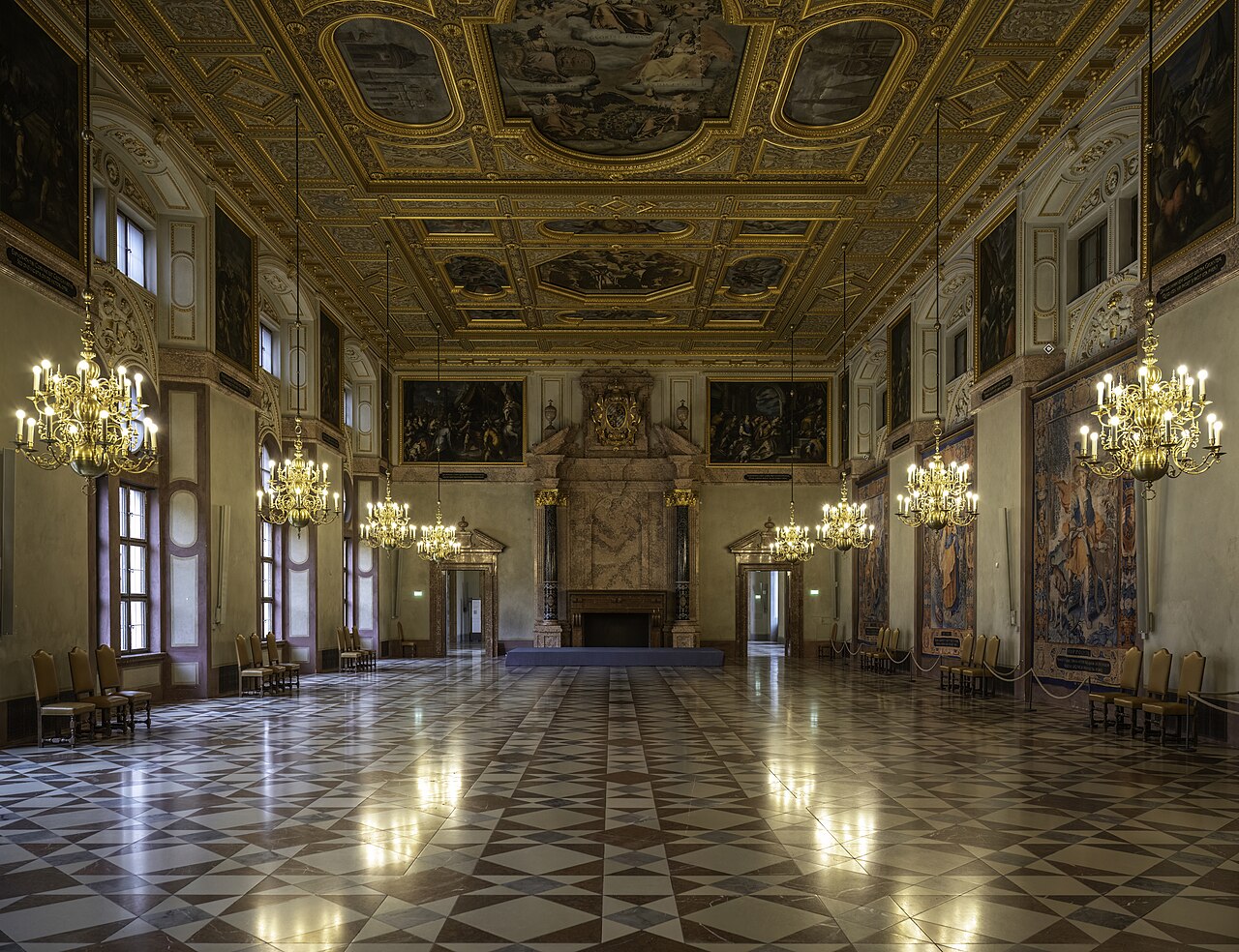
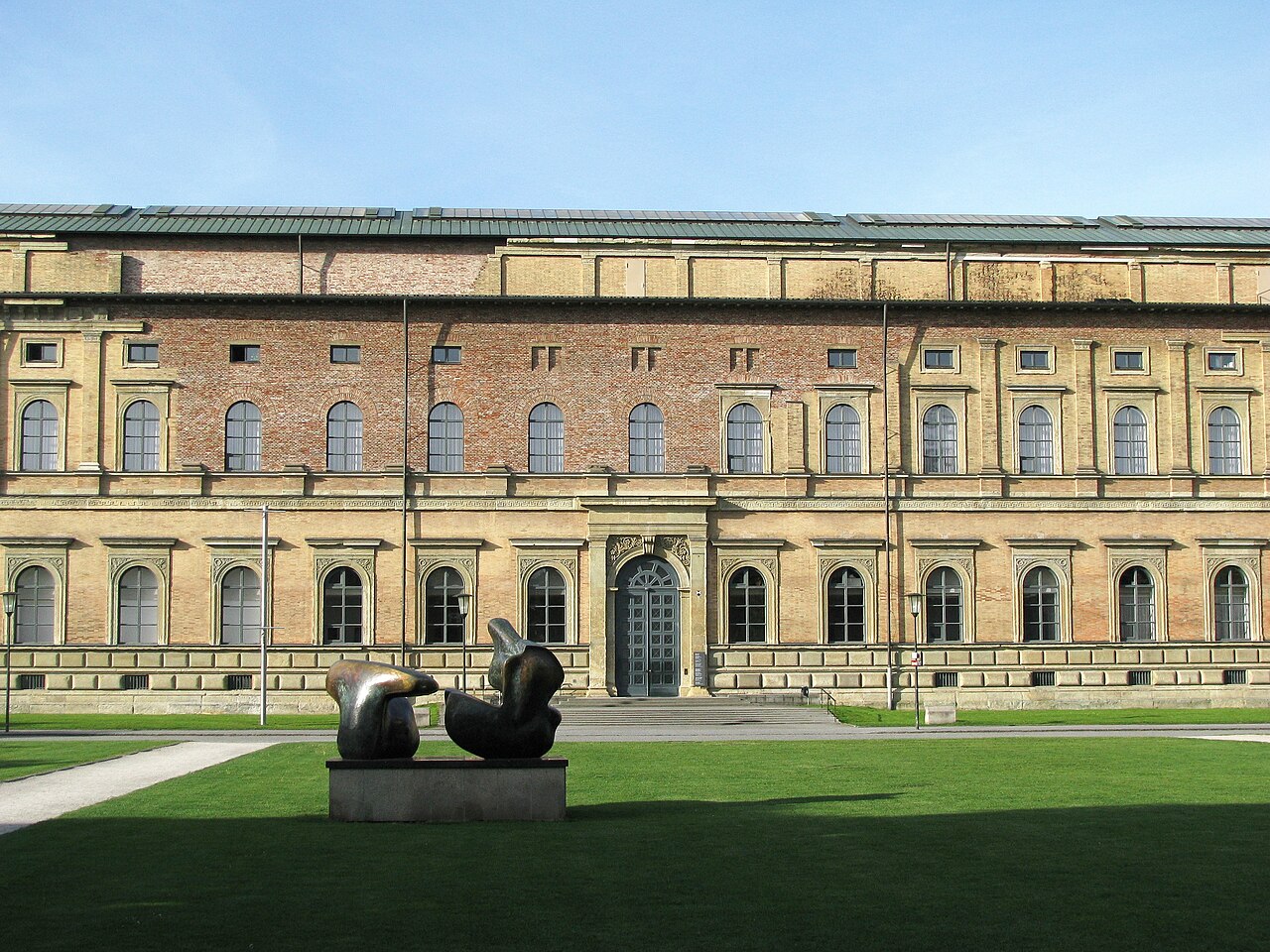
Many sights switch to winter hours from mid-October. The Residenz opens from 10am to 5pm and Nymphenburg Palace from 10am to 4pm, but the Nymphenburg park palaces, including the Amalienburg, are closed until April. Neuschwanstein closes at 4pm from mid-October to late March, and the Marienbruecke viewpoint closes in snow and ice. Museums keep normal hours and are perfect on cold days: the Alte Pinakothek, with late evenings on Tuesday and Wednesday and one-euro Sundays, the Deutsches Museum, open daily, and the BMW Museum. Many sights close on 24, 25 and 31 December and 1 January, so check before you plan those days.
Winter day trips
Neuschwanstein under snow is one of the most beautiful sights in Europe, but book early, as the Christmas period sells out weeks ahead, and remember there are no shuttle buses up to the castle on 24, 25 and 31 December and 1 January. Salzburg, two hours by train, has one of the finest Christmas markets in the region, in front of the cathedral. And the Alps are close enough for a day of winter walking or skiing.
Winter food and drink
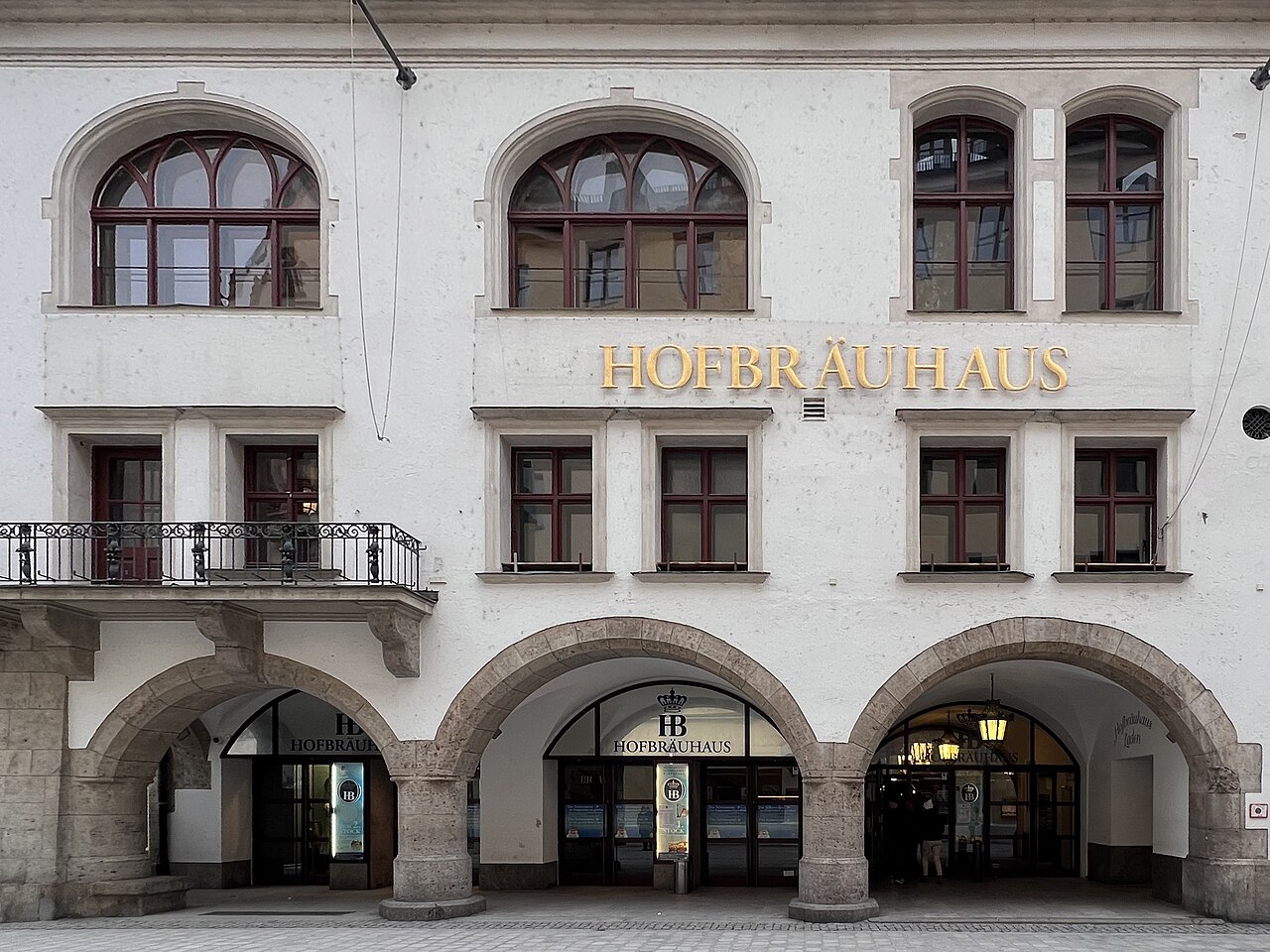
This is the season for Gluehwein, Feuerzangenbowle, a flaming rum punch, roasted chestnuts, Lebkuchen gingerbread, Dampfnudeln and a warming Schweinsbraten in a beer hall. The beer halls are especially cosy in winter, and the Hofbraeuhaus, with its brass band, is a warm refuge.
A winter day in Munich
Start with a late breakfast and a museum morning, perhaps the Alte Pinakothek or the Residenz. Walk to the Viktualienmarkt for a hot soup or a sausage at a market stall, then spend the early afternoon at the Christkindlmarkt on Marienplatz before the evening crowds arrive. As darkness falls, around half past four in December, the lights come on and the old town is at its most beautiful. Warm up with dinner in a beer hall, then visit Tollwood or the Medieval market for a final mug of Gluehwein. On a clear day, swap the museum for a winter walk in the English Garden, where the surfers ride the Eisbach wave in thick wetsuits.
Practical tips
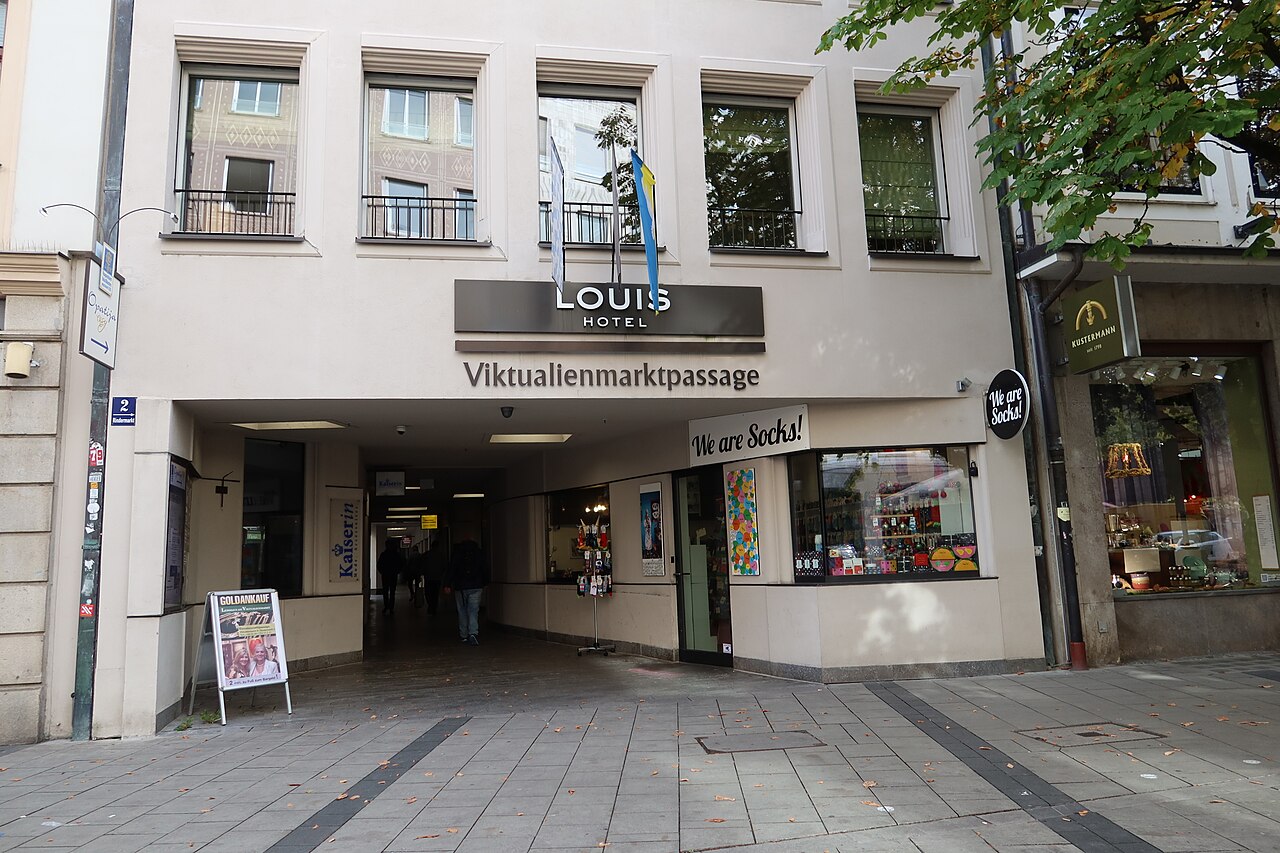
Dress warmly, in layers, with good shoes for cobbles and possible snow. Keep the mug deposit receipt or return your mug to get your money back, or keep it as a souvenir. Watch for pickpockets in crowded markets. Book hotels early for Advent weekends, especially if you want an old-town location close to Marienplatz, such as the LOUIS on the Viktualienmarkt or the Torbraeu at the Isartor, and remember that many markets close on 23 or 24 December, so plan to visit before Christmas.