Munich is one of the easiest big cities in Europe to enjoy in a short time. The old town is compact and walkable, the public transport is fast and reliable, the great sights are close together, and the beer gardens and beer halls make even the gaps between sights a pleasure. Three days is enough to see the essentials and to take one classic day trip, if you book the few timed things ahead. Here is the plan that works for most first visits: the old town and the Residenz on day one, the museums and the English Garden on day two, and a castle or Salzburg on day three.
Before you go: the booking list
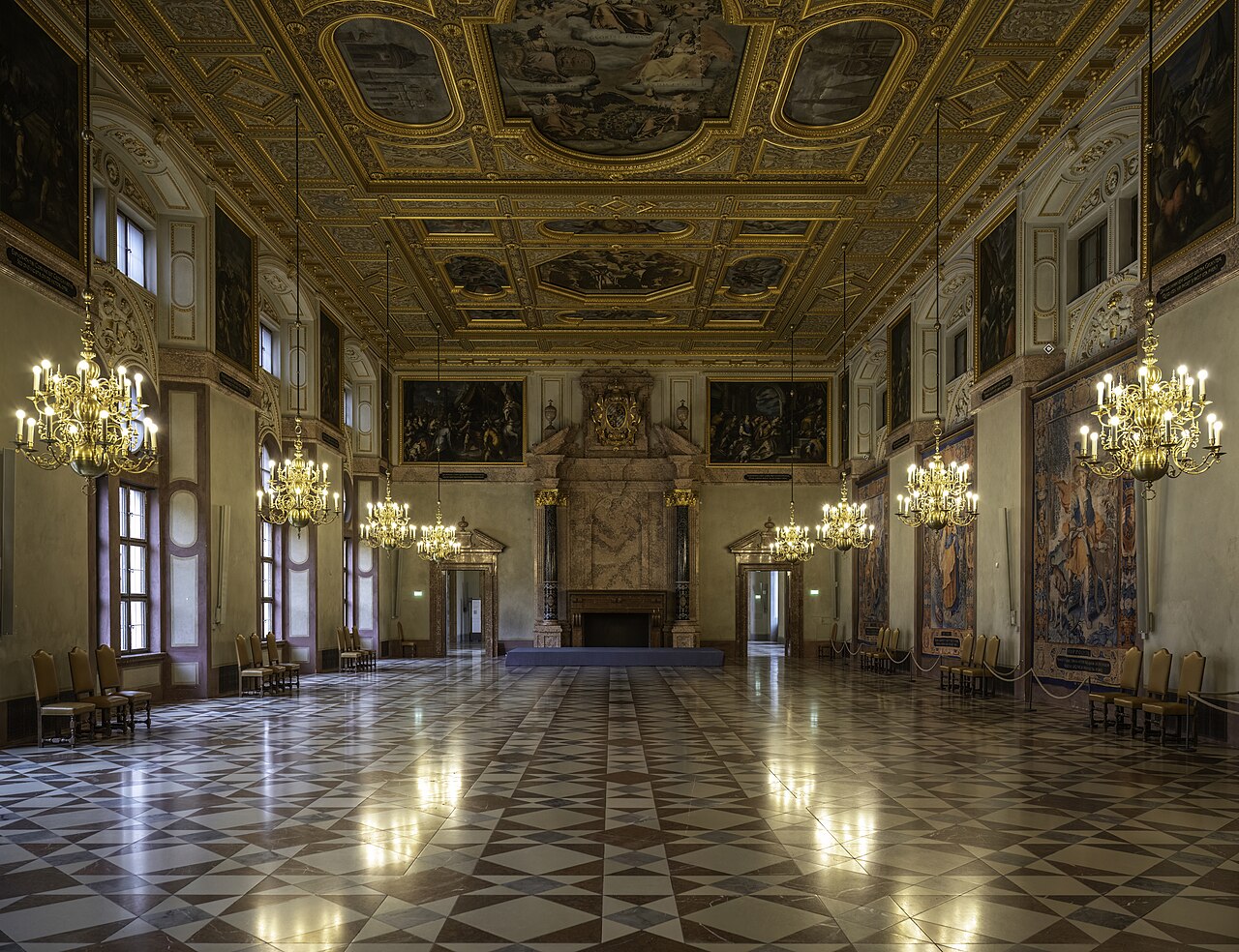
If you want Neuschwanstein, book it first, as soon as your dates are fixed: interior visits are by timed guided tour only, online tickets sell out weeks ahead in busy periods, and the same-day allocation at Hohenschwangau goes early. Decide whether you will go independently by train or on a guided day trip from Munich. If you prefer Salzburg, a guided day trip or an open train ticket gives you flexibility. Buy a public transport ticket that covers your stay, such as a day or multi-day ticket for the zones you need, and note that the airport is outside the central zone. If you plan to see the Residenz, the Treasury and the Cuvillies Theatre, the combined ticket is the best value. If you are visiting in Advent, the Christkindlmarkt usually runs from late November to 24 December.
Day one: Marienplatz, the market and the Residenz
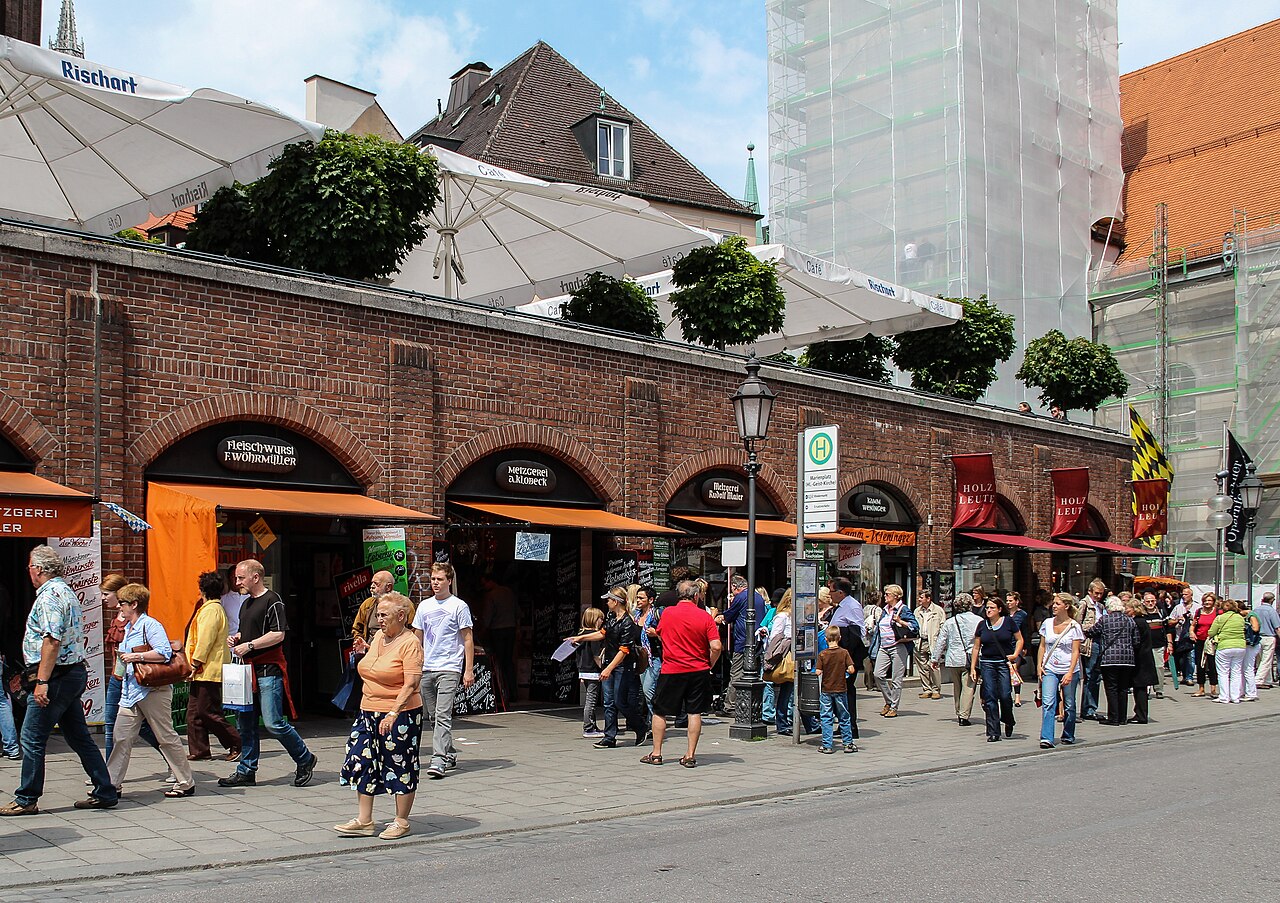
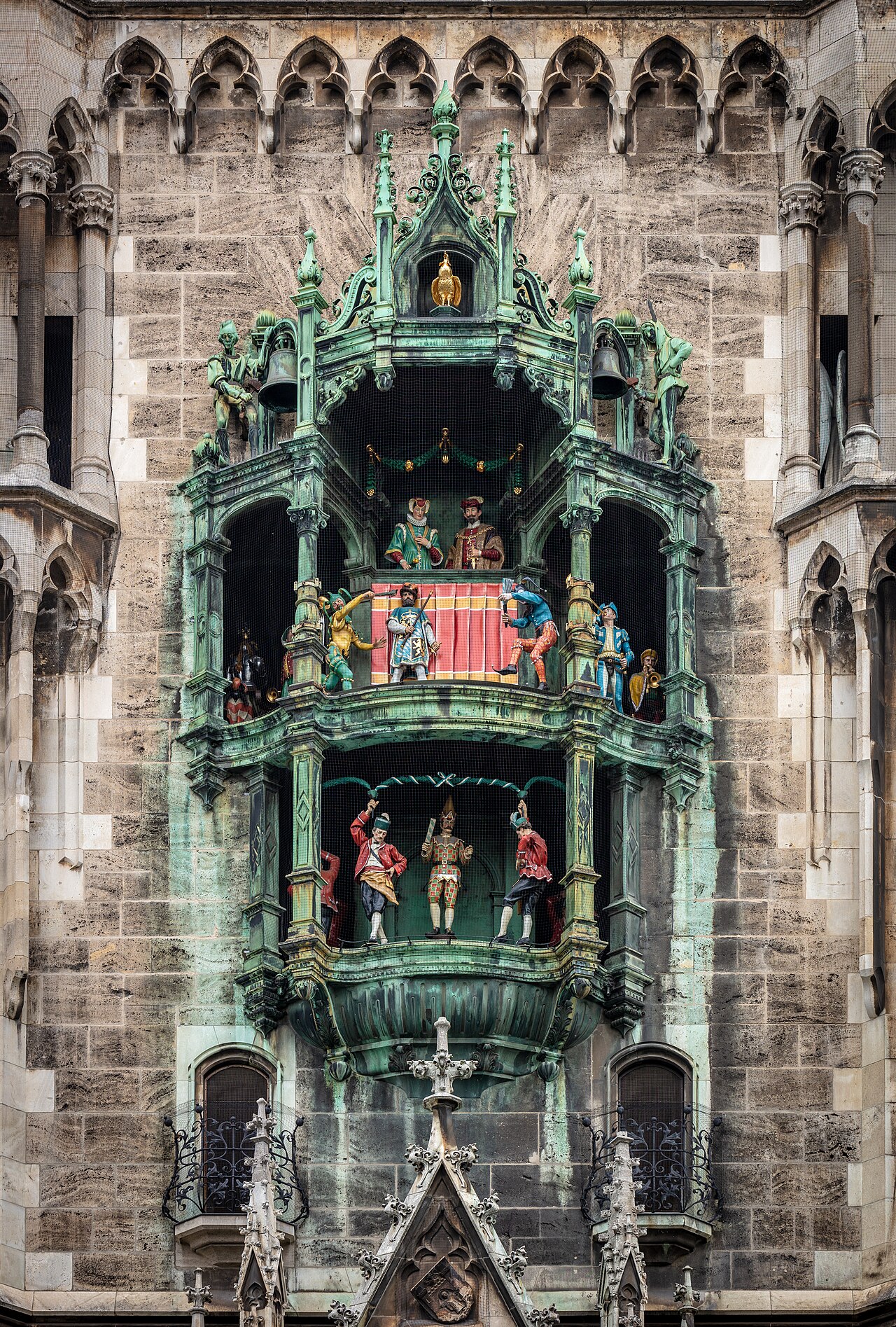
Start at Marienplatz in the morning and climb the tower of St. Peter's church for the view over the New Town Hall and, on clear days, the Alps. Be back on the square for the Glockenspiel at 11am, then walk five minutes to the Viktualienmarkt to graze the stalls and have lunch in the beer garden; Weisswurst is traditionally eaten before noon. In the afternoon, walk north to the Residenz for the state rooms and the Treasury, and finish in the Hofgarten. In the evening, have dinner at the Hofbraeuhaus or, for a more local atmosphere, the Augustiner Stammhaus on Neuhauser Strasse. If you have energy left, an evening concert in the Residenz or a performance at the National Theatre makes a memorable first night.
Day two: art or science, then the English Garden
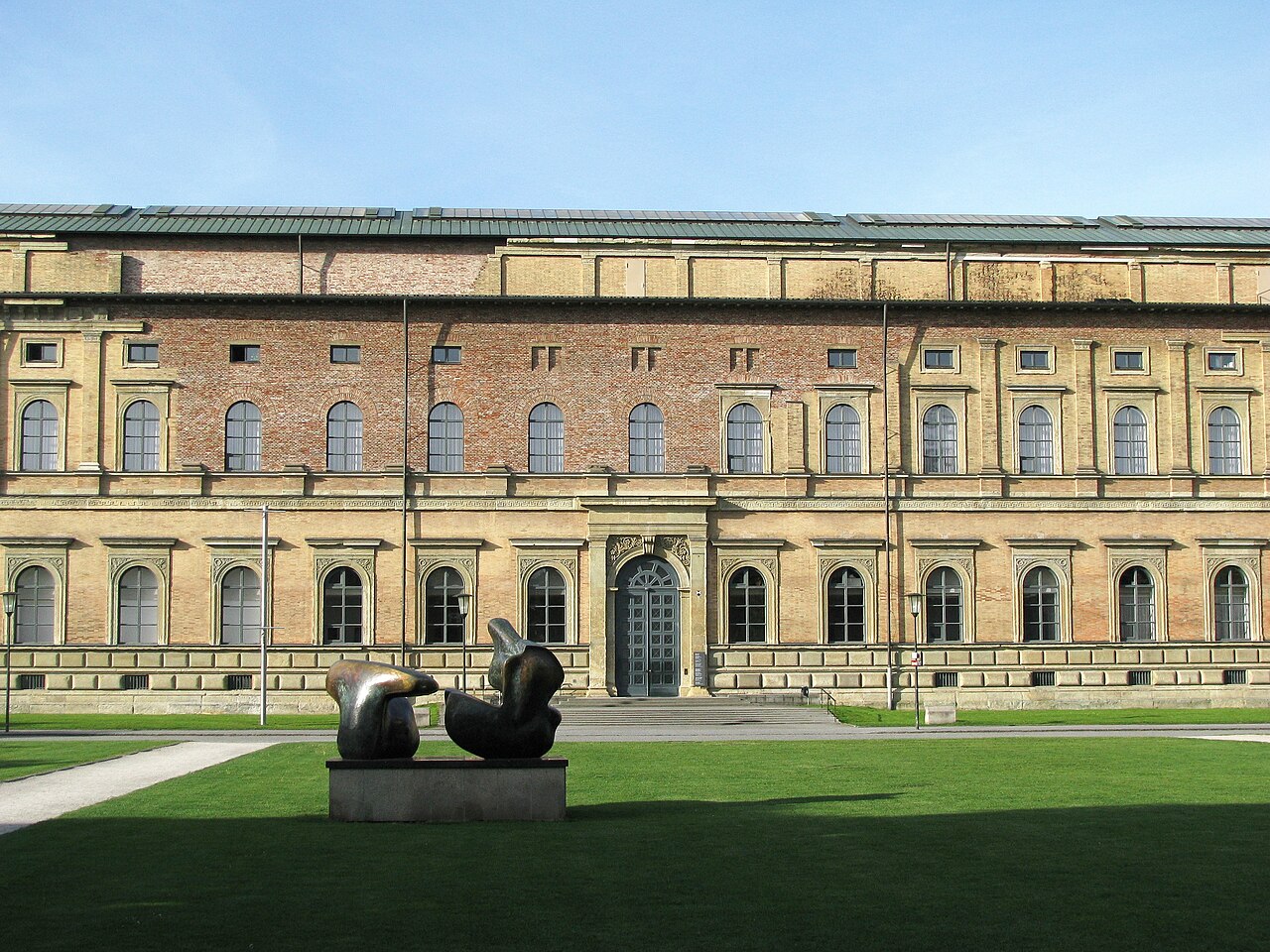
Choose your morning museum by taste. Art lovers should head to the Alte Pinakothek, closed on Mondays, for Duerer, Rubens and Rembrandt, remembering that the Neue Pinakothek is closed until a planned 2029 reopening; on Sundays, entry is just one euro. Families and the scientifically curious should choose the Deutsches Museum, open daily, where about half the building is open with new exhibitions while the rest is rebuilt for 2028. Car lovers can swap in BMW Welt and the BMW Museum, closed on Mondays, and the Olympic Park. In the afternoon, walk to the southern tip of the English Garden to watch the surfers on the Eisbach wave, which the city reopened to surfing, then stroll north past the Japanese teahouse to the Monopteros for the view and on to the Chinese Tower beer garden. Dinner in Schwabing or the Maxvorstadt, both full of student cafes and good restaurants.
Day three: one great day trip
For castles, take the train to Fuessen or join a day trip to Neuschwanstein, the fairy-tale castle of King Ludwig II, a UNESCO World Heritage Site since 2025. The tour inside is short, about thirty minutes, so the day is really about the setting: the walk up, the view from the Marienbruecke when it is open, and the yellow Hohenschwangau Castle below. For a city, take the train to Salzburg, about two hours away in Austria, for Mozart's birthplace, the baroque old town and the fortress. Either way, you will be back in Munich for a late dinner.
If you have a fourth day
Visit Nymphenburg Palace, the baroque summer palace in the west of the city, with its Gallery of Beauties, the royal coaches and the park, or take a half-day trip to the Dachau Concentration Camp Memorial Site, a sobering and essential visit. Football fans should add the Allianz Arena, and anyone in town on a sunny day should leave time for a second beer garden.
Where to base yourself for this plan
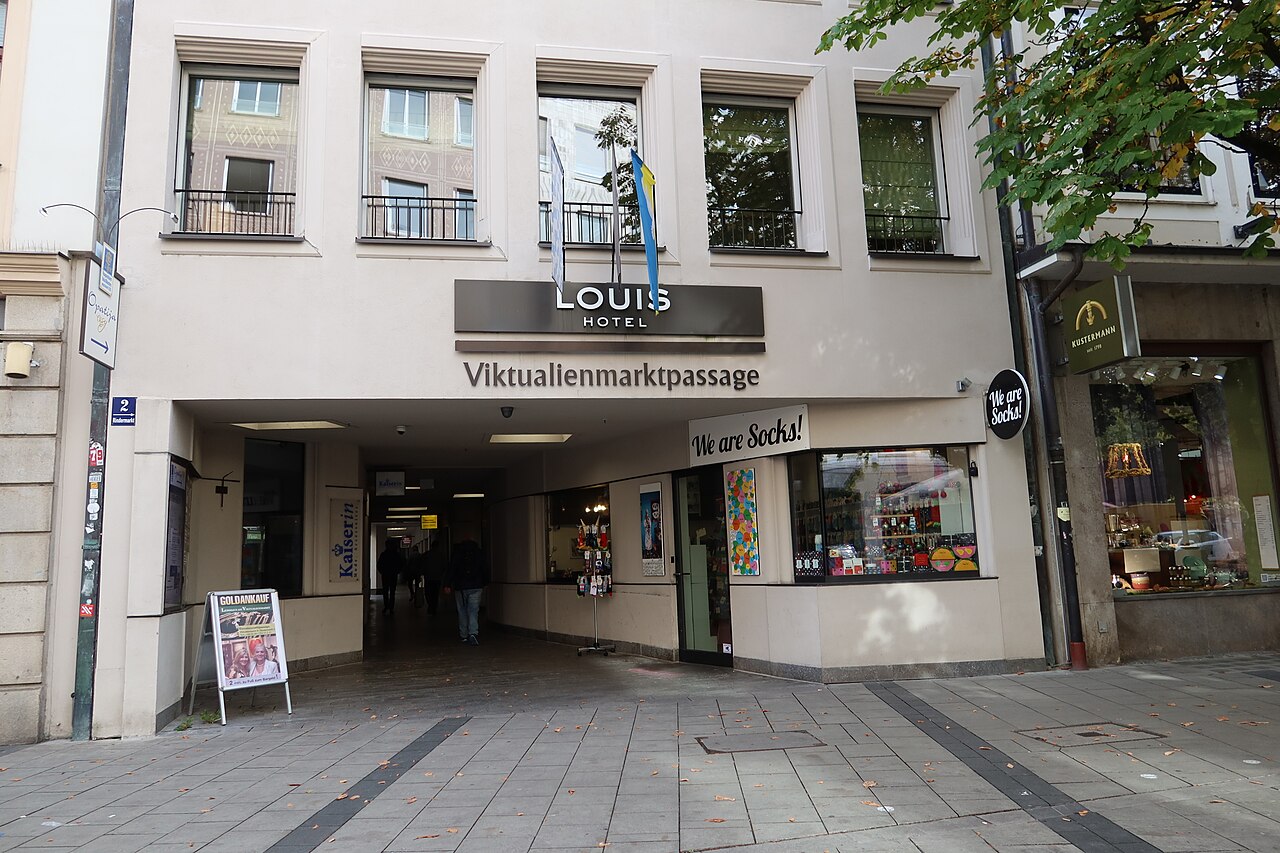
The old town puts days one and two on foot: the Bayerischer Hof or Rosewood for luxury, the LOUIS on the Viktualienmarkt for design, the Torbraeu at the Isartor for history. Near the main station, the 25hours Hotel The Royal Bavarian makes day three effortless. For value, Motel One at Sendlinger Tor is ten minutes from Marienplatz.
The honest adjustments
On a Monday, many museums close, including the Alte Pinakothek and the BMW Museum, so put the Residenz, Nymphenburg, the Deutsches Museum and the English Garden on that day. On a Sunday, the Viktualienmarkt and most shops are closed, so make it your museum or day-trip day. In winter, the days are short and Neuschwanstein closes at 4pm, so start early; the Nymphenburg park palaces are closed until April, but the Christmas markets more than compensate. In summer, spend more time outdoors, in the beer gardens and by the Isar. And in late September and early October, Oktoberfest changes everything: book hotels very early, expect high prices and crowds, and plan the rest of your sightseeing around the festival.